
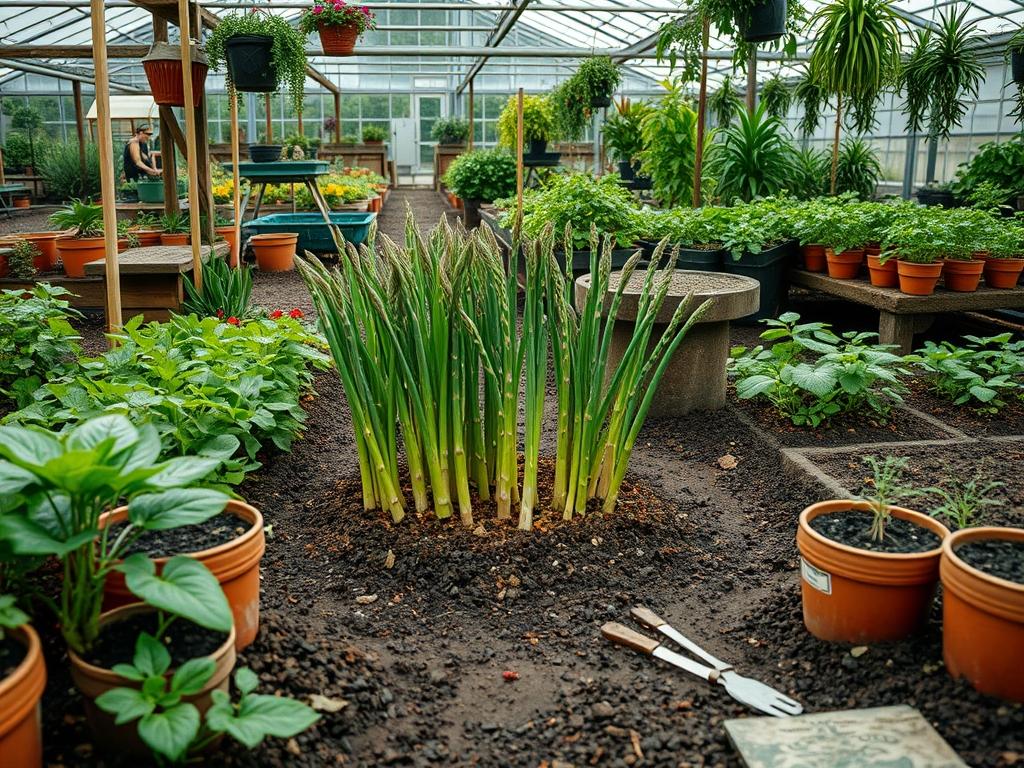
Designing an outdoor environment follows many of the same rules as interior architecture. You must consider the flow of space, the durability of materials, and the long term maintenance requirements of every living element. When planning for a perennial crop like asparagus, the landscape designer is not merely planting a vegetable; they are installing a permanent biological fixture that will occupy the same footprint for twenty years or more. This degree of permanence requires a rigorous approach to site engineering and substrate preparation. Unlike annual beds that can be tilled and amended every spring, an asparagus bed is a foundational investment. If the drainage is poor or the soil chemistry is neglected during the initial phase, the entire installation will eventually fail. A professional landscape consultant views the asparagus bed as a structural component of the garden, often utilizing its unique, feathery foliage as a soft, ethereal backdrop for more rigid hardscaping elements. To achieve success, one must look beyond the immediate harvest and focus on the subterranean environment where the crowns will establish their territory.
Landscape Design Principles
Integrating food production into a high end residential landscape requires a keen eye for symmetry and balance. Asparagus provides a fascinatng challenge because its lifecycle involves two distinct phases: the early spring harvest of spears and the summer development of tall, airy ferns. To maintain curb appeal, these beds should be positioned as mid-ground layers in a tiered garden design. Placing them behind flowering perennials or low-lying shrubs ensures that when the asparagus stalks grow to their full height of 4 feet to 6 feet, they serve as a delicate privacy screen rather than an unruly thicket.
Symmetry is often achieved by flanking a central walkway with twin asparagus beds, creating a formal entrance to a kitchen garden or a transition zone between the lawn and a woodland area. Elevation is a critical factor here. Constructing raised beds using Natural Cedar or Stacked Stone provides an opportunity to control the topography of the site. These elevated structures not only define the focal points of the outdoor living space but also solve one of the most significant hurdles in vegetable landscaping: soil compaction. By raising the growing medium above the surrounding grade, the designer ensures that foot traffic remains on designated paths, protecting the delicate root systems of the plants. Furthermore, irrigation must be planned with precision. High-efficiency Drip Irrigation lines should be buried beneath the Mulch layer to deliver moisture directly to the root zone, preventing the fungal issues often caused by overhead watering systems. This thoughtful integration of utility and aesthetics is what separates a professional landscape from a simple garden plot.
Plant and Material Selection
The success of a long term asparagus installation depends heavily on selecting the right cultivars and soil amendments. Professionals often prefer male dominant hybrids to prevent the spread of seedlings, which can turn an orderly bed into a crowded mess. Below is a selection of materials and plants suited for a high performance edible landscape.
| Plant Type | Sun Exposure | Soil Needs | Water Demand | Growth Speed | Maintenance Level |
| :— | :— | :— | :— | :— | :— |
| Jersey Knight Asparagus | Full Sun | Sandy Loam | Moderate | Slow (Establishment) | Medium |
| Purple Passion Asparagus | Full Sun | Rich Organic | Moderate | Moderate | Medium |
| Mary Washington | Full Sun | Deep Loam | High | Slow | High |
| French Marigold | Full Sun | Well Drained | Low | Fast | Low |
| Hardwood Mulch | N/A | Weed Control | N/A | N/A | Low |
| Organic Compost | N/A | High Carbon | N/A | N/A | N/A |
| Rock Phosphate | N/A | Mineral Rich | N/A | N/A | N/A |
Implementation Strategy
The actual physical layout of the bed begins with site preparation and grading. A professional consultant will always start with a comprehensive soil test to determine the baseline pH. Asparagus thrives in a neutral to slightly alkaline environment, specifically a 6.5 pH to 7.5 pH range. If the soil is too acidic, Dolomitic Lime must be incorporated several months before the first crowns are placed.
Once the site is cleared and the topography is addressed, the Trench Method is employed for maximum root health. Excavate a series of trenches 12 inches deep and 12 inches wide. These trenches should be spaced 3 feet apart to allow for the eventual canopy of the mature ferns. Inside the trench, create a small mound of a specialized planting mix consisting of 50 percent Aged Compost, 40 percent Native Soil, and 10 percent Coarse Sand. The sand is critical for ensuring that the crowns do not sit in stagnant water, which is the leading cause of root rot.
The Asparagus Crowns are then draped over these mounds with their roots spreading outward like the legs of a spider. Space the crowns every 18 inches along the trench. Initially, only a few inches of soil should cover the crowns. As the spears begin to emerge and grow, the remaining soil is gradually backfilled into the trench over the course of the first season. This deep planting technique protects the crown from the surface heat of summer and the deep freezes of winter. To finish the installation, a 3 inch layer of Screened Wood Chips or Pine Bark is applied as a top dressing to suppress weeds and retain moisture.
Common Landscaping Failures
The most frequent mistake in asparagus bed design is failing to plan for drainage. Asparagus is a drought tolerant plant once established, but it is extremely sensitive to soggy soil. If a garden is located at the base of a slope or in a low lying area, a French Drain or specialized Perforated Pipe system must be installed to carry excess water away from the root zone. Without this, the crowns will suffocate and die within the first two years.
Another common failure involves improper spacing. It is tempting to crowd plants for a fuller look in the first season, but as the crowns mature, they expand significantly. Overcrowding leads to poor air circulation, which invites diseases like asparagus rust and cercospora leaf spot. Furthermore, neglecting the weed barrier can be fatal. Since asparagus is a long term crop, perennial weeds like bermuda grass or thistle can become inextricably tangled in the asparagus roots. Once this happens, it is nearly impossible to remove the weeds without destroying the crop. Professional edging, such as Steel Landscape Edging or Concrete Pavers, creates a physical barrier that prevents invasive grasses from migrating into the bed.
Finally, soil compaction is a silent killer. In many backyard garden layouts, there is no clear distinction between the walking path and the growing area. As people step near the plants, the soil pores collapse, preventing oxygen from reaching the roots. A professional design always includes permanent walkways to ensure the growing medium remains light and aerated for the life of the bed.
Seasonal Maintenance
Managing an asparagus landscape is a cyclical process that changes with the weather. In the Spring, the focus is on harvesting and nutrition. As the first spears appear, the gardener should apply a balanced fertilizer such as 10-10-10 or a generous layer of Compost Tea to jumpstart the growth. Harvesting should only begin once the plants are at least three years old to allow the roots to gain sufficient mass.
During the Summer, the spears are allowed to grow into ferns. This is the photosynthetic phase where the plant stores energy for next year. Maintenance during this time involves monitoring for the Asparagus Beetle and ensuring that the Drip Irrigation system is providing at least 1 inch of water per week during dry spells.
In the Autumn, the ferns will naturally turn yellow and then brown. These should be left standing until they are completely dormant to ensure all nutrients have returned to the crown. Once the ferns are dry and brittle, they are cut down to 2 inches above the soil level using Bypass Pruners. This removal is essential for preventing pests from overwintering in the debris.
The Winter phase is about protection. A fresh layer of Straw or Leaf Mold is applied to insulate the ground. In colder climates, this extra layer prevents the ground from heaving, which can expose the tender crowns to lethal temperatures. This seasonal rhythm ensures the landscape remains productive and visually appealing year after year.
Professional Landscaping FAQ
How long does it take for asparagus to produce a harvest?
You should wait until the third year after planting crowns to perform a full harvest. This patience allows the root system to establish structural integrity, ensuring the bed remains productive for twenty years or more.
What is the best soil type for asparagus prep?
Asparagus thrives in deep, sandy loam that is rich in organic matter. Proper prep involves excavating a 12 inch deep trench and enriching the substrate with Compost and Bone Meal to support long term health.
Can I plant asparagus in a small decorative garden?
Yes, but you must account for the summer ferns. They grow quite tall and require support or adequate spacing. Using them as a soft textured backdrop behind flowering perennials is an excellent way to save space.
How often should I water my newly planted asparagus?
During the first two years, the soil should remain consistently moist but never waterlogged. Professional Drip Irrigation should be set to deliver deep watering twice a week, depending on local rainfall and soil drainage capabilities.
Why are my asparagus spears getting thinner every year?
Thin spears are often a sign of nutrient depletion or overcrowding. Apply a high quality Organic Fertilizer in early spring and ensure you are not over-harvesting the smaller stalks, as they need to develop into ferns.