
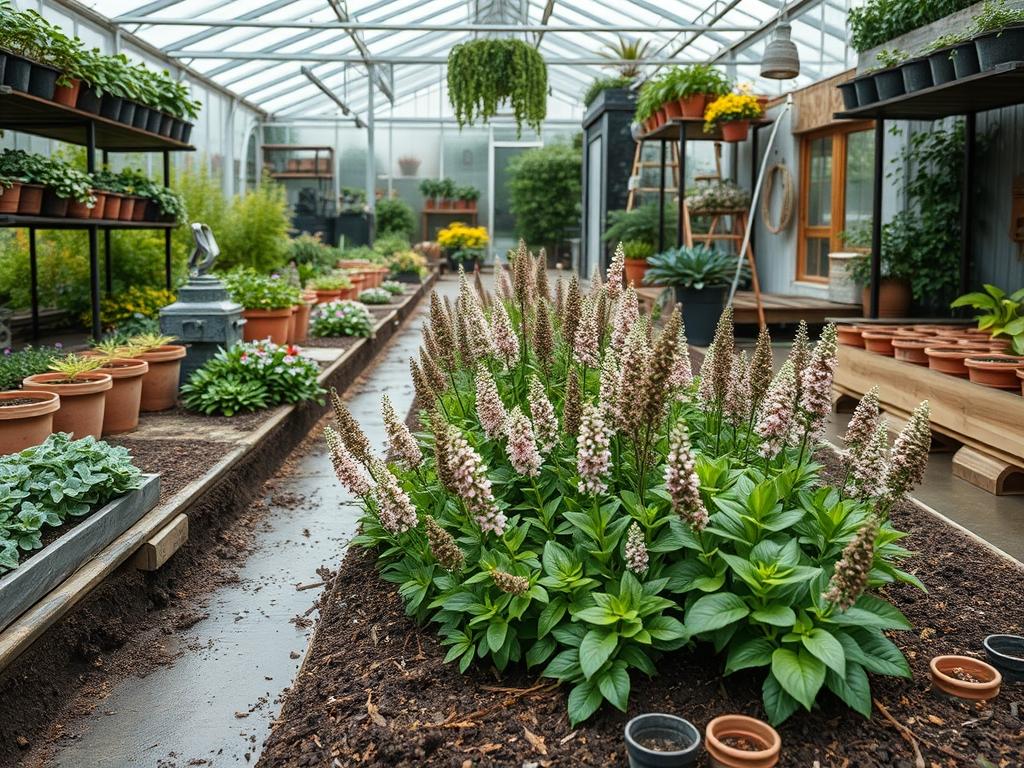
Achieving a high-performance landscape requires more than just an aesthetic eye; it demands an understanding of the invisible infrastructure that supports botanical health. When selecting the best soil for Spirea and other summer-blooming perennials, the professional landscaper must look beyond the surface level of the nursery pot. The success of a residential or commercial installation hinges on the intersection of site-specific drainage, soil texture, and organic composition. A vibrant, flowering hedge of Spiraea japonica can serve as a powerful anchor for curb appeal, but without the correct foundation, these shrubs often succumb to root rot or nutrient deficiencies within the first three seasons.
In the context of modern outdoor living, a garden must function as a multi-sensory environment that balances privacy, structure, and seasonal interest. Designers often utilize Spirea for its versatility and resilience, yet the soil environment remains the primary variable in determining bloom density and foliage color. Whether you are dealing with the heavy clay of a suburban lot or the fast-draining sands of a coastal property, amending the ground to reach a loamy, nutrient-dense state is the first step in technical garden planning. By prioritizing the biological needs of the plant during the initial grading and installation phases, you ensure that the landscape matures into a self-sustaining ecosystem rather than a high-maintenance burden.
Landscape Design Principles
Professional landscape architecture relies on a hierarchy of visual and structural elements to create a cohesive environment. Symmetry and balance serve as the primary drivers of formal designs, where Spirea might be used in mirrored rows to frame an entryway or a primary walkway. However, in more naturalistic, informal designs, the focus shifts to asymmetrical balance and the layering of elevations. By utilizing Retaining walls and tiered planter beds, a designer can create distinct microclimates that optimize sun exposure and drainage for different species.
Focal points are essential for directing the eye and creating a sense of purpose within the outdoor space. A large, blooming Spirea cultivar like Renaissance can act as a seasonal anchor, providing a burst of white flowers in late spring that transitions into lush green foliage for the summer. To support these focal points, the irrigation planning must be precise. Drip irrigation systems are generally preferred over broadcast sprayers because they deliver water directly to the root zone, reducing the risk of foliar diseases like powdery mildew. Properly placed Walkways made of Paver stones or Crushed granite should complement the garden’s flow, ensuring that visitors can appreciate the planting layers without compacting the soil near the sensitive root systems of summer blooms.
Plant and Material Selection
Successful material selection involves matching the specific biological requirements of each plant with the site’s environmental constraints. Use the following table as a guide for integrating Spirea with complementary summer-blooming species.
| Plant Type | Sun Exposure | Soil Needs | Water Demand | Growth Speed | Maintenance |
| :— | :— | :— | :— | :— | :— |
| Spiraea japonica | Full Sun | Well-drained Loam | Moderate | Fast | Low |
| Echinacea | Full Sun | Sandy/Loamy | Low | Moderate | Low |
| Lavandula | Full Sun | Grit/Sand/Alkaline | Low | Moderate | Medium |
| Hydrangea | Partial Shade | Rich Organic Loam | High | Moderate | Medium |
| Salvia | Full Sun | Average/Well-drained | Low | Fast | Low |
| Potentilla | Full Sun | Poor to Average | Moderate | Slow | Low |
The best soil for Spirea is one that mimics its native riparian or woodland edge environments. This typically means a soil profile that is 40 percent sand, 40 percent silt, and 20 percent clay, often referred to as a medium loam. If your site contains heavy clay, the addition of Expanded shale or Coarse sand can improve aeration. Conversely, if the site is too sandy, incorporating Sphagnum peat moss or Compost will increase the cation exchange capacity, allowing the soil to hold onto essential nutrients like nitrogen and potassium.
Implementation Strategy
The transition from a design blueprint to a thriving garden requires a disciplined implementation strategy. The process begins with Grading, which involves sculpting the land to ensure that water moves away from building foundations and does not pool in planting beds. A slope of at least 2 percent is generally recommended for adequate surface drainage. Once the rough grade is established, designers use Steel edging or Natural stone borders to define the boundaries between turf areas and ornamental beds. This prevents invasive grass species from encroaching on the Spirea root zones.
Before a single shrub is placed in the ground, the soil should be amended based on a professional soil test. For a new installation of Spirea, the planting hole should be dug twice as wide as the root ball but no deeper. This encourages lateral root growth into the surrounding native soil. After backfilling with a mixture of native soil and Organic compost, a 3 inch layer of hardwood mulch should be applied across the entire bed. This mulch serves multiple functions; it suppresses weeds, regulates soil temperature, and slowly breaks down to provide micronutrients to the plants. Furthermore, avoid the “volcano mulching” technique, where mulch is piled against the stems of the Spirea, as this can lead to bark decay and pest infestations.
Common Landscaping Failures
One of the most frequent mistakes in residential landscaping is the “bathtub effect.” This occurs when a hole is dug in heavy clay soil and filled with high-quality potting mix. The porous soil in the hole holds water like a basin, drowning the roots of the Spirea because the surrounding clay prevents the water from escaping. To avoid this, landscapers must amend the entire planting area rather than just the individual holes. Soil compaction is another silent killer. During construction, heavy machinery compresses the soil, destroying the pore spaces required for oxygen and water movement. Using a Broadfork or Mechanical aerator prior to planting is essential to restore soil structure.
Improper spacing is a common aesthetic and functional failure. A young Spirea may look small in a 3 gallon container, but many varieties can reach a spread of 5 feet. Planting them too close together restricts airflow, which increases the likelihood of fungal infections and leads to leggy, unattractive growth as the shrubs compete for light. Finally, irrigation inefficiencies often stem from a “set it and forget it” mentality. Over-watering is just as damaging as under-watering; it leaches nutrients from the soil and creates an environment ripe for root pathogens.
Seasonal Maintenance
A professional-grade landscape requires a rhythmic maintenance schedule that shifts with the seasons. In the spring, the focus is on rejuvenation. This is the ideal time to apply a Slow-release granular fertilizer with a balanced N-P-K ratio to support the upcoming bloom cycle. For Spirea varieties that bloom on new wood, significant pruning should be done in early spring to encourage vigorous new growth.
As summer progresses, maintenance shifts to hydration management and deadheading. Removing spent flowers from Spirea can often trigger a second, lighter bloom in late summer. During the autumn, the goal is preparation for dormancy. Clean up fallen debris to prevent overwintering pests and add a fresh 1 inch layer of mulch if the previous layer has decomposed. In the winter, structural pruning of larger varieties like Bridal Wreath Spirea can be performed to maintain the desired shape. This is also the time to inspect Hardscaping elements, such as Retaining walls and Paver paths, for any shifting or damage caused by freeze-thaw cycles.
Professional Landscaping FAQ
What is the best soil pH for Spirea?
Spirea thrives in soil with a pH between 6.0 and 7.0. While they are adaptable to various conditions, slightly acidic to neutral soil promotes the best nutrient uptake and ensures the most vibrant flower production during the summer months.
How deep should I apply mulch around summer blooms?
A depth of 2 to 3 inches is ideal for most ornamental beds. This thickness is sufficient to retain moisture and suppress weeds without preventing oxygen from reaching the roots of your Spirea or companion perennials like Echinacea.
Can Spirea grow in heavy clay soil?
While Spirea is resilient, heavy clay can cause root rot. To succeed, you must incorporate Organic matter like compost to improve drainage. Planting in raised beds or slightly mounded rows can also help protect the root system from saturation.
How often should new Spirea be watered?
Newly installed shrubs require frequent watering to establish roots. For the first few weeks, water every 2 to 3 days. Once established, Spirea is drought-tolerant but performs best with 1 inch of water per week during peak summer.
What are the best companion plants for Spirea?
Species that share similar sun and soil requirements work best. Consider Lavender for contrasting texture, Salvia for vertical interest, or Ornamental grasses to provide a soft backdrop that highlights the mounding habit of the Spirea shrubs.