
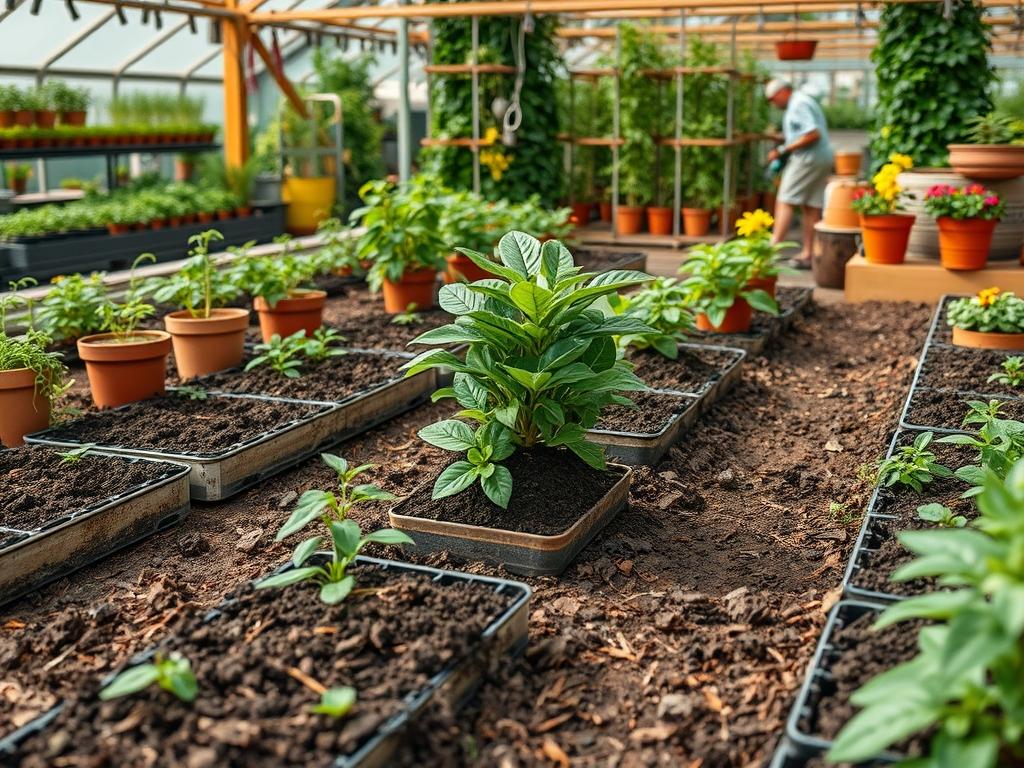
Creating a cohesive landscape design requires more than an eye for aesthetics; it demands a deep understanding of the biological requirements of the flora being installed. When a landscape architect incorporates species from the Ilex genus, commonly known as holly, they are often looking for structural integrity, year-round color, and privacy screening. However, the long-term success of these plants depends entirely on the chemical composition of the earth they inhabit. The best soil for holly is not merely a medium for root anchorage but is a specialized biological environment characterized by a low pH. For landscaping professionals, achieving this specific acidity is the difference between a vibrant, berry-laden hedge and a chlorotic, struggling screen that fails to provide the intended curb appeal. Without the proper acidic amendments, even the most expensive specimens will eventually suffer from nutrient lockout, primarily affecting their ability to process iron and manganese.
In many urban and suburban environments, the native soil is frequently disrupted by construction debris and concrete runoff, which naturally raises the alkalinity. This creates a hostile environment for hollies, which prefer a pH range of 5.0 to 6.0. To solve this, practitioners must approach soil preparation as a form of site engineering. We look at the landscape through the lens of functionality and environmental longevity. A holly hedge serves as a windbreak, a visual barrier, and a nesting site for local bird populations. To fulfill these roles, the soil must be modified using materials like Elemental Sulfur, Peat Moss, or Pine Bark. These amendments lower the pH over time, creating the acidic conditions necessary for the fine, fibrous root systems of the holly to thrive. By planning for these needs during the initial design phase, the architect ensures that the outdoor living space remains lush and functional for decades rather than requiring a total overhaul after five years of poor growth.
Landscape Design Principles
Successful garden planning integrates the biological needs of the plants with the structural requirements of the property. When designing with holly, symmetry and focal points play a major role. For instance, a pair of American Holly trees can frame a grand entrance, providing a sense of permanence and verticality. These plants act as anchors in the landscape, providing a dark green backdrop that allows seasonal flowers to pop. We design in elevation layers, placing taller evergreen hollies at the rear, followed by mid-sized deciduous shrubs, and ending with low-growing perennials or groundcovers in the foreground. This creates depth and visual interest that persists even through the dormant winter months when other plants have lost their foliage.
Walkways and circulation paths must also be considered in relation to holly placement. Because many holly varieties have spiny leaves, they should be set back at least 3 feet from high-traffic pedestrian paths to prevent snagging clothes or scratching passersby. This spacing also allows for proper air circulation, which is vital for preventing fungal diseases like leaf spot. Irrigation planning is another critical pillar of professional design. We often specify a dedicated drip irrigation zone for holly rows, as this delivers moisture directly to the root zone without wetting the foliage. Proper drainage is equally important; hollies require consistent moisture, but their roots will quickly rot if they sit in stagnated, heavy clay. Therefore, elevating the planting bed through slight grading or the use of retaining walls is a common strategy to ensure that excess water moves away from the structural roots.
Plant and Material Selection
| Plant Type | Sun Exposure | Soil Needs | Water Demand | Growth Speed | Maintenance Level |
| :— | :— | :— | :— | :— | :— |
| American Holly | Full Sun to Part Shade | Acidic Loam (pH 5.0) | Moderate | Slow | Low |
| Sky Pencil Holly | Full Sun | Well-Drained Acidic | Moderate | Medium | Low |
| Blue Prince Holly | Full Sun to Part Shade | Rich, Acidic Soil | High | Moderate | Medium |
| Winterberry | Full Sun | Wet, Acidic Clay | High | Medium | Medium |
| Inkberry | Full Sun to Part Shade | Acidic, Sandy Soil | Moderate | Slow | Low |
| Japanese Holly | Full Sun to Part Shade | Loose, Acidic Loam | Moderate | Medium | Low |
Implementation Strategy
The transition from a design on paper to a physical landscape requires a disciplined implementation strategy. The first step involves site grading to ensure that the topography directs water away from the foundation of the home and toward appropriate drainage outlets. Once the grade is established, we begin the soil amendment process. If the existing soil is too alkaline, we incorporate Elemental Sulfur at a rate determined by a professional soil test, usually ranging from 1 to 5 pounds per 100 square feet, depending on the target pH. This is tilled into the top 8 inches of the soil to ensure it remains in the active root zone.
Next, we establish the footprint of the garden beds using professional-grade Steel Edging or Concrete Curbing. This provides a clean separation between the turf and the planting areas, preventing grass from encroaching on the hollies. When digging the planting holes, the rule of thumb is to make the hole two to three times wider than the root ball but no deeper. This encourages lateral root growth into the amended soil. After the plants are positioned, we apply a 3-inch layer of organic mulch, such as Pine Needles or Shredded Cedar. This mulch serves a dual purpose: it retains moisture and, as it decomposes, it adds organic matter and acidity back into the soil. Finally, we install perforated drainage pipes in areas where natural runoff may pool, ensuring the hollies never face the stress of anaerobic soil conditions.
Common Landscaping Failures
The most frequent failure in holly cultivation is the “bathtub effect,” which occurs when a hole is dug in heavy clay and filled with light, amended soil. During rain events, the hole fills with water that cannot escape through the surrounding clay, essentially drowning the plant. To avoid this, we recommend amending the entire bed rather than individual holes, or installing a French Drain to carry water out of the planting area. Another common mistake is root overcrowding. Many homeowners choose holly varieties without researching their mature width, leading to overgrown hedges that block windows and crowd out other plants. Providing a minimum of 5 to 8 feet of space between larger varieties like Ilex opaca is essential for long-term health.
Soil compaction is another silent killer in new construction landscapes. Heavy machinery often packs the earth so tightly that roots cannot penetrate and oxygen cannot reach the microbiome. We use a Broadfork or a mechanical aerator to break up this compaction before planting. Furthermore, many people ignore the importance of cross-pollination. Most hollies are dioecious, meaning they are either male or female. To achieve the iconic red berries, a male pollinator must be planted within 50 feet of the female plants. Failing to include a male specimen results in a healthy green plant that never produces the desired winter color, frustrating the homeowner goals for seasonal interest.
Seasonal Maintenance
Landscape management is a year-round commitment. In the spring, we focus on rejuvenation. This is the best time to apply a balanced, acid-forming fertilizer, such as Holly-tone, to support the flush of new growth. Pruning should also occur in early spring before the new buds break, focusing on removing any winter-damaged branches with sharp Bypass Pruners. During the summer, the primary goal is hydration. Large, established hollies can be surprisingly drought-tolerant, but young plants need at least 1 inch of water per week. Monitoring for pests like leaf miners or scale is also a summer priority; early intervention prevents a minor nuisance from becoming a structural threat.
Autumn is the season for soil health. As the plants prepare for dormancy, we recommend performing another soil test to ensure the pH hasn’t drifted upward. Applying a fresh layer of Pine Bark Mulch in late fall helps thermoregulate the soil, protecting the roots from the freeze-thaw cycles that can heave plants out of the ground. In winter, maintenance turns toward protection and aesthetics. In colder climates, evergreens are susceptible to desiccation from cold winds. Applying an Anti-Desiccant Spray can create a thin, waxy coating on the leaves that reduces moisture loss. If the landscape includes variegated varieties, they should be checked for “reversion,” where a branch grows back entirely green. These should be removed immediately to maintain the plant’s intended visual balance and architectural form.
Professional Landscaping FAQ
How do I know if my holly needs acidic amendments?
If new leaves appear yellow with dark green veins, the plant likely has iron chlorosis caused by high soil pH. A professional soil test will confirm the exact pH level and determine the necessary amount of Elemental Sulfur for correction.
Can I use coffee grounds to acidify the soil for hollies?
While coffee grounds are slightly acidic, they are not a substitute for professional amendments. They are better used as compost additions. For significant pH shifts, use Aluminum Sulfate or Sulfur, which provide more consistent and measurable results for the landscape.
How deep should the mulch be around my holly trees?
Maintain a 3-inch layer of mulch, but ensure it does not touch the trunk of the plant. “Volcano mulching” traps moisture against the bark, which can lead to rot, fungal infections, and girdling roots that eventually kill the tree.
What is the best way to improve drainage in clay soil?
Incorporate organic matter like Compost or Fine Pine Bark throughout the entire planting bed. For severe cases, install a French Drain or plant the hollies on a 12-inch high berm to keep the root crowns above the saturation zone.
When is the best time to prune my holly hedge?
The ideal time is late winter or early spring before new growth begins. This allows the plant to recover quickly. If you prune in late summer, you may stimulate new growth that won’t harden before the first frost, leading to damage.