
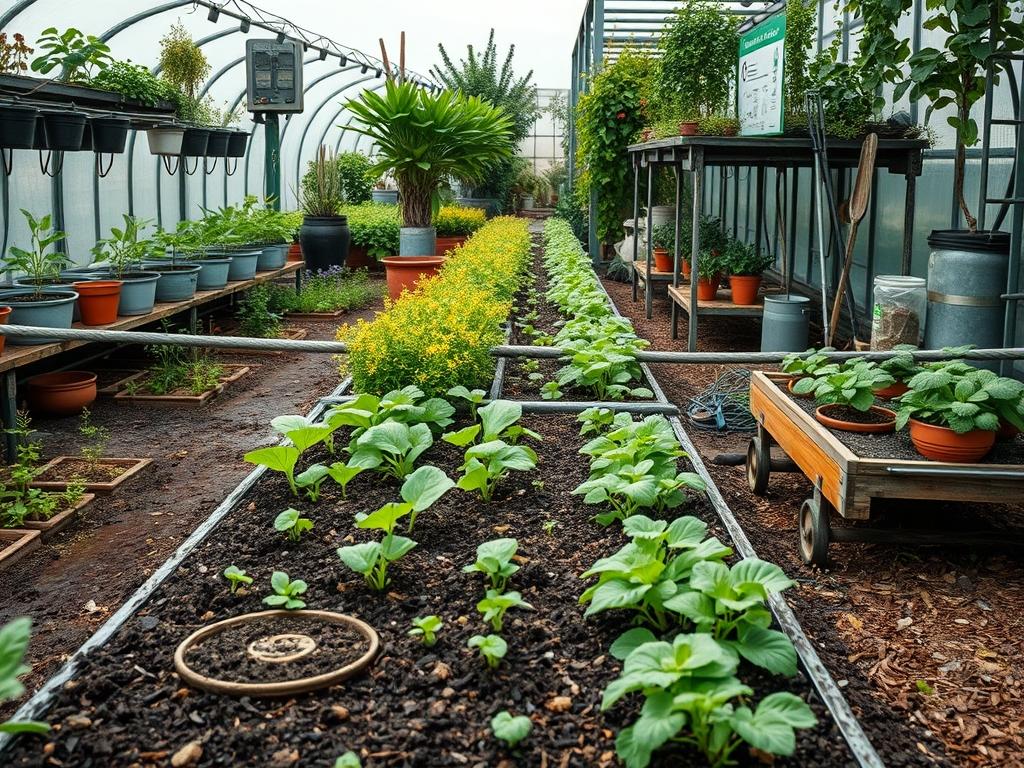
Transforming a concrete skyline into a lush, functional sanctuary requires more than just an aesthetic eye; it necessitates a deep understanding of structural engineering and horticultural science. When initiating Rooftop Garden Soil Prep, the primary challenge is the physics of weight and its impact on the building beneath. Traditional topsoil is comprised of heavy clays and silts that can weigh up to 100 pounds per cubic foot when saturated with water. For most residential and commercial roofs, this weight is unsustainable and risks structural failure or long-term fatigue of the building envelope. Consequently, modern landscape architects rely on lightweight growing media designed specifically to provide the necessary air porosity and drainage while remaining significantly lighter than earthbound alternatives. This strategic preparation ensures the garden remains a permanent asset rather than a structural liability.
Effective rooftop design begins with a clear assessment of the environment. Unlike ground-level gardens, rooftops are exposed to higher wind velocities, intense solar radiation, and rapid temperature fluctuations. These factors accelerate evaporation and physical stress on both the vegetation and the hardscaping elements. Curb appeal on a rooftop is often viewed from two perspectives: the experience of those within the garden and the visual impact from surrounding buildings. By utilizing lightweight materials, designers can introduce varying elevation levels and complex plantings that would otherwise be impossible. This flexibility allows for the creation of intimate seating areas, walking paths, and privacy screens that define the outdoor functionality of the space, turning a flat roof into a multi-dimensional environment.
LANDSCAPE DESIGN PRINCIPLES
In the realm of rooftop landscaping, symmetry and focal points serve as the anchors for the entire composition. Because the space is often defined by hard edges and rectangular footprints, creating a sense of visual balance is essential. Using retaining walls made of aluminum or lightweight composite materials allows the designer to build up depth in specific areas, creating a focal point such as a specimen tree or a vibrant perennial cluster. Symmetry can be achieved through the repetitive use of planters or the mirrored placement of architectural elements like pergolas. These structures must be securely anchored to the building’s structural frame or weighted properly to withstand high-altitude wind gusts.
Elevation layers are particularly important on a roof to break the monotony of a flat surface. By planning for different heights, you can hide unsightly HVAC equipment or create “rooms” within the garden. This is where the choice of media becomes critical; higher elevations require deeper soil profiles, which increases weight. Implementing a tiered system requires meticulous irrigation planning. Drip irrigation is the gold standard for rooftops because it delivers water directly to the root zone, minimizing wind-borne waste and ensuring that the lightweight media, which can dry out faster than traditional soil, remains hydrated. Walkways should be constructed from lightweight pavers or pedestal systems that allow water to flow freely underneath, preventing pooling and protecting the roof’s waterproof membrane.
PLANT AND MATERIAL SELECTION
Selecting the right flora for a sky-high environment involves balancing aesthetics with extreme hardiness. The following table outlines optimal choices for rooftop settings.
| Plant Type | Sun Exposure | Soil Needs | Water Demand | Growth Speed | Maintenance Level |
| :— | :— | :— | :— | :— | :— |
| Sedum (Stonecrop) | Full Sun | Low Nutrient | Low | Moderate | Very Low |
| Blue Oat Grass | Full Sun | Well-Drained | Low | Moderate | Low |
| Lavender | Full Sun | Sandy/Gritty | Low | Moderate | Medium |
| Japanese Maple | Partial Shade | Acidic/Rich | Medium | Slow | High |
| Serviceberry | Full/Part Sun | Loamy/Light | Medium | Moderate | Medium |
| Coneflower | Full Sun | Any Light Media | Low | Fast | Low |
The materials used for “Rooftop Garden Soil Prep” usually consist of a blend of inorganic components like expanded clay, shale, perlite, or pumice, mixed with a small percentage of organic matter like high-quality compost or coconut coir. These inorganic materials provide the structural skeleton of the soil, ensuring it does not compact over time, which is vital for maintaining the oxygen levels required for root respiration.
IMPLEMENTATION STRATEGY
The journey from a bare roof to a blooming garden follows a strict sequence of layers. Once the structural capacity is verified by an engineer, the first step is the installation of a high-quality root barrier. This prevents aggressive root systems from penetrating the building’s waterproof membrane. Above this, a drainage mat or drainage cells are laid down. These components are usually made of high-density polyethylene and resemble egg crates; they allow excess water to move horizontally toward the roof drains. On top of the drainage layer, a non-woven filter fabric is placed to prevent the fine particles of the lightweight media from washing down and clogging the drainage system.
When laying out the garden, use edging to define the borders between planted areas and walking paths. Start by placing the heaviest elements, such as large planters or hardscaping, directly over the building’s structural columns or load-bearing walls. Fill the areas with your lightweight media, ensuring a depth of at least 8 inches for perennials and up to 36 inches for small trees or large shrubs. Once the plants are in the ground, apply a layer of mulch, such as shredded bark or gravel, to a depth of 2 inches. This suppresses weeds and, more importantly, prevents the lightweight soil from blowing away in the wind.
COMMON LANDSCAPING FAILURES
One of the most frequent errors in rooftop projects is the use of standard garden soil or topsoil. Not only is it too heavy, but it also lacks the necessary drainage properties for a containerized or intensive roof system. As the organic matter in topsoil breaks down, it leads to soil compaction, which suffocates roots and causes water to pond on the surface. Improper spacing is another common issue. Designers often forget that rooftop plants may grow slower due to harsh conditions or, conversely, may spread aggressively if they are native plants adapted to rocky, windy cliffs.
Drainage mistakes can be catastrophic for a building. If the drainage layer is bypassed or if the filter fabric is omitted, the fines from the soil will eventually clog the roof’s primary drains. This can lead to standing water, which exerts immense pressure on the roof and may cause leaks. Furthermore, irrigation inefficiencies often plague rooftop gardens. Over-watering can lead to nutrient leaching, where the water carries away the essential minerals the plants need to survive in their limited soil volume. Under-watering, on the other hand, can turn a lush garden into a brown wasteland in a matter of days during a summer heatwave.
SEASONAL MAINTENANCE
Spring is the time for renewal and inspection. Begin by checking the irrigation lines for leaks or clogs caused by winter debris. This is also when you should apply a slow-release fertilizer, as lightweight media tends to be lean on nutrients. Summer maintenance focuses on hydration and heat management. During peak heat, you may need to adjust your controllers to water in the early morning and late evening to minimize evaporation. Monitor the mulch depth and replenish it if the wind has thinned the layer.
Autumn is the season for pruning and preparing for dormancy. Cut back grasses and perennials once they have turned brown to reduce the “sail effect” during winter windstorms. Clean all roof drains and gutters of fallen leaves to ensure that autumn rains can escape the roof efficiently. In winter, the primary goal is protecting the root balls of your plants. In a rooftop environment, containers freeze from the sides as well as the top. Using insulated planters or wrapping sensitive species in burlap can prevent the freeze-thaw cycles from cracking pots or killing roots. Always ensure that any snow accumulation does not exceed the structural weight limits of the roof.
PROFESSIONAL LANDSCAPING FAQ
Why can I not use standard organic potting soil?
Standard potting soil contains too much organic matter which decomposes and compacts quickly. This reduces oxygen for roots and causes the media to shrink. Lightweight engineered media remains stable for years without losing its structural integrity or drainage capacity.
How does wind affect my rooftop plant choices?
High winds increase transpiration, meaning plants lose moisture rapidly through their leaves. You must select species with small or waxy leaves, such as sedums, or flexible stems, like ornamental grasses, that can bend without breaking during heavy gusts.
What is the minimum soil depth for a rooftop lawn?
A functional turf area generally requires a minimum of 6 to 8 inches of lightweight media. This depth provides enough space for root development and moisture retention to keep the grass green without adding excessive weight to the building.
Do rooftop gardens require special drainage?
Yes, they require a multi-layered drainage system including a root barrier, drainage mat, and filter fabric. This ensures that water moves quickly to the building’s internal drains without taking soil particles with it or causing structural ponding.
How often should I fertilize my rooftop garden?
Because lightweight media is often largely inorganic, it does not hold nutrients as well as ground soil. Apply a balanced, slow-release fertilizer twice a year, once in early spring and once in mid-summer, to maintain plant health and vigor.