
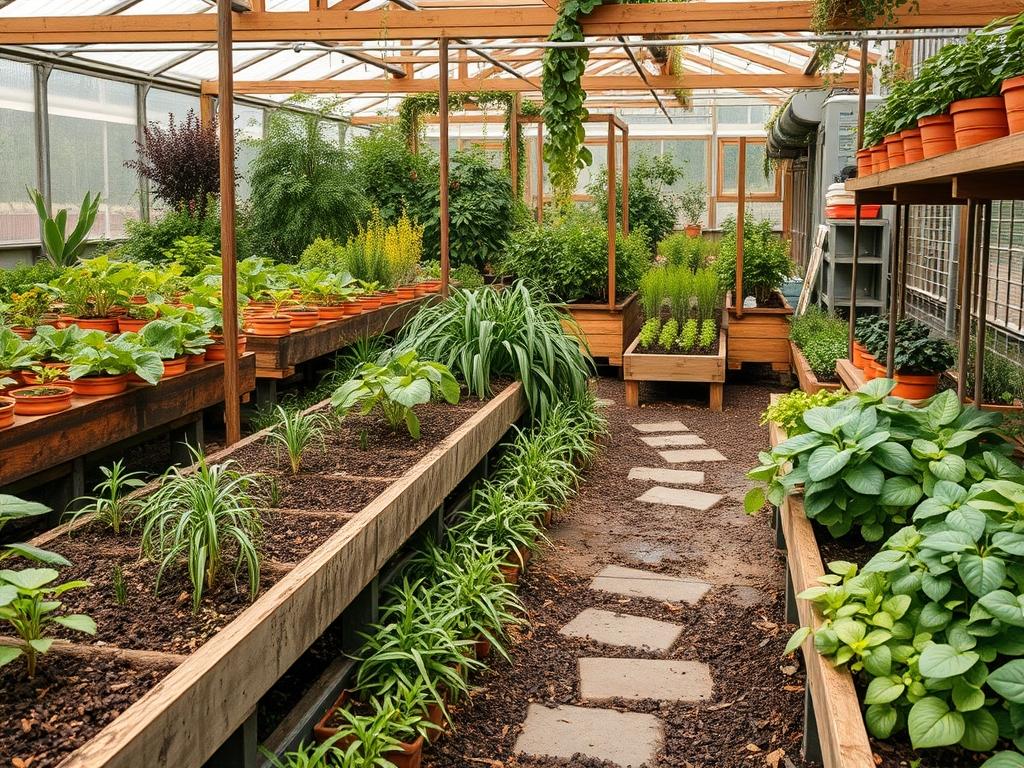
Vertical gardens represent the pinnacle of modern landscape engineering, transforming static architectural surfaces into breathing, ecological assets. While these installations significantly boost curb appeal and provide thermal insulation for buildings, they introduce a primary structural challenge: weight. Traditional topsoil is far too heavy for most vertical applications, especially when fully saturated with water. A cubic foot of saturated garden soil can weigh upwards of 75 pounds, a load that many residential and commercial walls are not designed to support without expensive reinforcement. Consequently, the development of specialized substrate blends is the most critical phase of the design process. These mixtures must balance water retention with high porosity, all while maintaining a low bulk density to ensure the longevity of the supporting hardware.
The success of a vertical installation depends on more than just the plants; it requires a deep understanding of the environment and the functional goals of the space. In urban settings, where heat island effects are prevalent, a vertical garden acts as a natural cooling system. Designing these systems requires a landscape architect to think in three dimensions, considering how wind, sun exposure, and elevation affect the microclimate within the planting pockets. A well-designed wall does not simply sit against a structure; it integrates with the existing landscape to create a seamless transition between the horizontal ground plane and the vertical elevation. This integration often involves careful coordination with Irrigation Planning and Hardscaping to ensure that water runoff is managed and that the visual weight of the foliage is balanced by the surrounding environment.
Landscape Design Principles
In vertical landscape architecture, symmetry and visual balance are achieved through the strategic placement of textures and colors rather than just height. Because the entire garden is at eye level or above, focal points must be established using species with bold architectural forms. Elevation layers are managed by placing larger, more vigorous plants at the base or middle, while finer textures are used toward the edges to soften the frame. This creates a sense of depth that mimics a natural hillside. Visual balance is also tied to the hardware; the frame or Retaining Wall structure should be concealed or highlighted depending on the desired aesthetic, whether that is a lush “wild” look or a clean, geometric pattern.
Irrigation planning is arguably the most technical aspect of vertical design. Gravity causes water to migrate downward, frequently leaving the top layers desiccated while the bottom layers become waterlogged. To counteract this, designers must implement zone-based Drip Irrigation systems that deliver precise amounts of water to different vertical tiers. Walkways and access points must also be considered; if a wall is too high, it requires integrated maintenance ladders or lift access. By incorporating these principles early in the planning phase, the vertical garden remains a functional component of the outdoor living area rather than a high-maintenance burden.
Plant and Material Selection
Selecting the right components for the soil mix and the appropriate plant species is a delicate balancing act. The substrate typically avoids mineral soil entirely, opting for a mix of Sphagnum Peat Moss, Coconut Coir, and Expanded Perlite. These materials provide the necessary Cation Exchange Capacity to hold nutrients without the density of silt or clay.
| Plant Type | Sun Exposure | Soil Needs | Water Demand | Growth Speed | Maintenance |
| :— | :— | :— | :— | :— | :— |
| Pothos (Epipremnum) | Partial Shade | High Porosity | Moderate | Fast | Low |
| Heuchera (Coral Bells) | Full Sun/Part Shade | Acidic/Light | Moderate | Medium | Moderate |
| Asplenium (Bird’s Nest Fern) | Shade | Moisture Retentive | High | Slow | Low |
| Sedum (Stonecrop) | Full Sun | Very Well-Draining | Low | Medium | Very Low |
| Carex (Sedge) | Part Shade | Consistently Moist | High | Fast | Moderate |
| Creeping Thyme | Full Sun | Thin/Light | Low | Medium | Low |
Implementation Strategy
The transition from a design concept to a living wall requires a rigorous implementation strategy. The first step involves assessing the structural integrity of the wall. If the installation is a standalone unit or a fence attachment, grading of the soil at the base must be managed to prevent erosion from potential splashing or runoff. Professionals often use a Vapor Barrier behind the garden frame to protect the building envelope from moisture. Once the frame is secured, the installation of the specialized soil mix begins.
The ideal recipe for a lightweight mix involves a ratio of 40% Coconut Coir, 30% Perlite, 20% Vermiculite, and 10% Finished Compost. This combination ensures that the mix stays under 20 pounds per cubic foot even when wet. Before planting, the irrigation lines are tucked behind the planting pockets or felt layers. Edging and trim are applied to the frame to provide a finished aesthetic that matches the surrounding Hardscaping. Finally, a thin layer of Pine Bark Mulch or specialized moss can be used at the surface of the pockets to reduce evaporation; however, in many vertical systems, the plant density itself acts as a living mulch.
Common Landscaping Failures
The most frequent failure in vertical gardening is soil compaction within the vertical columns. Over time, gravity pulls fine particles downward, creating a dense, anaerobic layer at the bottom of the planter. This compaction chokes roots and prevents proper drainage, leading to root rot. To avoid this, designers must use stable aggregates like Pumice or Expanded Clay Brackets that do not break down over time.
Another common error is root overcrowding. Because vertical pockets have limited volume, typically between 1 and 5 liters of space, aggressive species can quickly outcompete their neighbors. Improper spacing leads to “dead zones” where air cannot circulate, inviting fungal diseases like powdery mildew. Lastly, irrigation inefficiencies often result from a lack of pressure regulation. Without a Pressure Regulator on the irrigation line, the emitters at the top of the wall may spray too forcefully, while the lower emitters barely drip, leading to uneven growth and plant loss.
Seasonal Maintenance
Maintaining a vertical landscape requires a seasonal rhythm to ensure the lightweight soil remains nutrient-rich and the plants stay healthy. In the spring, the focus is on fertilization and revitalizing the substrate. Since lightweight mixes are often soilless, they lack the natural mineral reserves found in the ground. Applying a slow-release, water-soluble fertilizer via a Fertigation System is the best way to deliver nutrients directly to the root zone.
Summer maintenance revolves around hydration and heat management. During peak heat, the high surface area of a vertical garden leads to rapid evaporation. Designers often increase the irrigation frequency to short, three-minute bursts several times a day. In the autumn, it is time for grooming and pruning. Removing dead foliage prevents “thatch” build-up within the pockets and reduces the risk of pests overwintering in the structure. For winter, vertical gardens in colder climates need insulation or “blanketing.” If the plants are not hardy for the specific zone, they may need to be moved or protected with Burlap Wraps. Checking the irrigation lines for potential freezes and ensuring they are blown out or drained is essential to prevent pipe bursts.
Professional Landscaping FAQ
How often should I fertilize a vertical garden?
Because lightweight mixes are often inert, you must fertilize frequently. Use a diluted, water-soluble fertilizer every two weeks during the growing season. A fertigation system can automate this by injecting nutrients directly into the drip lines for consistent delivery.
Can I use regular potting soil in my vertical wall?
Standard potting soil is generally too heavy and prone to compaction in vertical structures. It often contains too much fine peat, which collapses and prevents airflow. Instead, use a mix specifically designed with Perlite and Coconut Coir for better porosity.
What is the maximum weight a living wall should be?
A typical lightweight vertical garden should weigh between 10 and 15 pounds per square foot when fully planted and saturated. Always consult with a structural engineer if you are installing a large-scale system on an existing residential exterior wall.
How do I prevent the bottom plants from drowning?
Use a pressure-compensating drip emitter system and divide the wall into horizontal irrigation zones. Each zone can be timed independently. This allows you to give the dry top layers more water while keeping the lower tiers from becoming oversaturated by drainage.
Do vertical gardens attract more pests than horizontal gardens?
Not necessarily, but they require different monitoring. Verticality can provide specialized habitats for spiders and mites. Regularly check the undersides of leaves and ensure there is adequate airflow between the wall and the plants to discourage fungal growth and pest nesting.