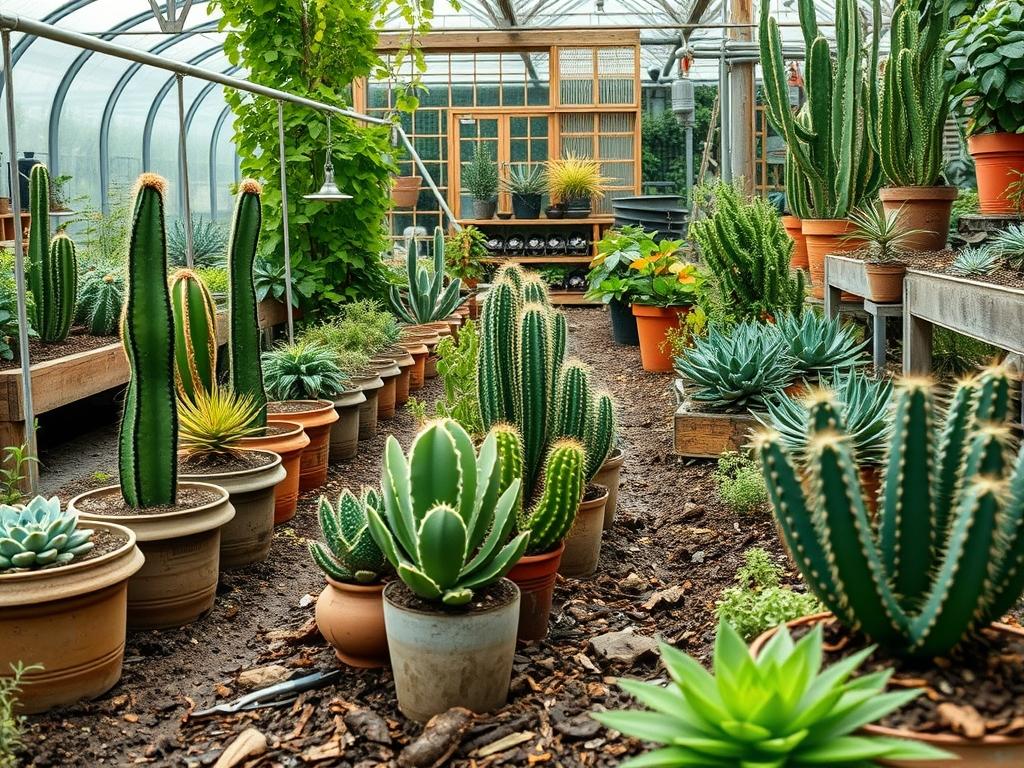
Creating a sustainable and visually striking outdoor environment requires a mastery of drainage and substrate composition, particularly when working with xeriscapic or arid-climate designs. The primary challenge in modern residential landscaping involves balancing aesthetics with the physiological needs of the plant palette. Many homeowners desire the architectural lines of desert flora but live in regions where seasonal rainfall can lead to catastrophic root rot. This is where the strategic application of Cactus and Succulent Grit becomes the defining factor of a successful installation. By integrating high-quality mineral aggregates into the site plan, a designer can improve curb appeal through texture while ensuring the long-term health of the specimens. This guide explores the technical utility of mineral grit in the professional landscape, moving beyond simple aesthetics to address the engineering of a high-performance garden.
Landscape Design Principles
Successful garden design relies on a structured approach to visual weight and physical infrastructure. When incorporating Cactus and Succulent Grit, symmetry and focal points serve as the anchor for the entire project. I recommend using larger architectural species, such as Agave americana, to create a central radius that draws the eye. The grit serves as a neutral plane that emphasizes these silhouettes, providing a clean canvas that prevents the visual clutter often associated with bark mulches.
Elevation layers are equally critical. In a flat backyard, the landscape can appear two-dimensional and stagnant. By using a mixture of native soil and heavy-duty grit, a contractor can create berms or elevated mounds that stand 12 inches to 24 inches above the natural grade. These changes in elevation do more than just add visual interest; they utilize gravity to pull excess moisture away from the root zones.
Irrigation planning must be integrated into the initial layout. While these gardens are drought-tolerant, they still require precision hydration. Subsurface drip irrigation lines should be installed before the final layer of grit is applied. This ensures that water reaches the roots directly without creating surface pools that can discolor the mineral top dressing. Walkways should be designed to complement the texture of the garden beds. Using a slightly larger crushed stone or pea gravel for paths creates a clear distinction between pedestrian areas and planting zones, maintaining a sense of order and professional polish.
Plant and Material Selection
Selecting the right combination of flora and substrate is the cornerstone of a resilient landscape. The following table outlines the requirements for common species that thrive when paired with high-mineral grit.
| Plant Type | Sun Exposure | Soil Needs | Water Demand | Growth Speed | Maintenance Level |
|—|—|—|—|—|—|
| Agave | Full Sun | 70% Grit, 30% Loam | Very Low | Slow | Low |
| Echeveria | Partial Shade | 50% Grit, 50% Compost | Moderate | Medium | Medium |
| Yucca | Full Sun | 60% Grit, 40% Native Soil | Low | Medium | Low |
| Sedum | Full Sun to Shade | 40% Grit, 60% Loam | Moderate | Fast | Low |
| Euphorbia | Full Sun | 80% Grit, 20% Peat | Low | Medium | High |
| Aloe | Partial Sun | 50% Grit, 50% Potting Mix | Low | Medium | Medium |
Implementation Strategy
The implementation of a grit-based landscape begins with thorough site preparation. Grading is the first and most vital step. The entire area must be pitched at a minimum of 2 percent slope away from any building foundations to prevent water accumulation. Once the grade is established, the designer should mark the locations for retaining walls or edging. Metal edging, such as 1/8-inch steel, is often preferred for succulent gardens because it provides a crisp, thin line that contains the grit without distracting from the plants.
After the infrastructure is in place, the soil must be amended. For a standard succulent bed, a mix containing 50 percent Cactus and Succulent Grit, comprised of pumice, lava rock, or crushed granite, should be tilled into the top 8 inches of the soil. This creates the primary drainage layer. Once the plants are installed, a secondary layer of pure grit should be applied as a mulch. This layer should be approximately 2 inches to 3 inches deep.
The mulch layer serves a dual purpose. It prevents the soil from splashing onto the foliage during rain events, which can cause fungal infections, and it keeps the crown of the plant dry. To ensure a professional finish, the grit should be settled with a light misting of water. This removes dust and allows the natural colors of the stone to emerge, enhancing the overall vibrancy of the hardscape.
Common Landscaping Failures
Failure in succulent landscaping often stems from a misunderstanding of how water moves through different media. The most frequent mistake is the creation of a “bathtub effect.” This occurs when a hole is dug in heavy clay soil and filled with high-drainage grit without providing an exit path for the water. The grit holds the water against the roots, leading to rapid decay. Designers must ensure that the entire planting bed is amended, or that drainage tiles are installed at the base of the pits.
Soil compaction is another silent killer of arid gardens. Foot traffic or the use of heavy machinery after soil blending can crush the air pockets created by the Cactus and Succulent Grit. Without these macropores, oxygen cannot reach the root system, causing the plant to suffocate. I advise my clients to install stepping stones or permanent paths to minimize soil disturbance.
Furthermore, improper spacing can lead to disaster as the garden matures. While small succulents look charming when clustered together, they require airflow to prevent pest infestations like mealybugs. Overcrowding prevents the grit from drying out efficiently after a rainstorm. Providing at least 6 inches to 12 inches of space between smaller specimens ensures that the microclimate around each plant remains dry and healthy.
Seasonal Maintenance
Maintenance in a grit-based landscape is significantly easier than in a traditional lawn or perennial border, but it still requires a seasonal rhythm. During the spring, the focus should be on debris removal. Wind-blown leaves and organic matter can get trapped in the grit, where they will eventually decompose and turn into a rich soil that weeds love. Using a leaf blower on a low setting or a soft-bristle brush can keep the surface clean.
Summer maintenance involves monitoring the irrigation system. Even though the grit helps retain some moisture, extreme heat can cause the substrate to become hydrophobic if it dries out completely. A deep, infrequent watering schedule is better than frequent light mists. In the autumn, homeowners should check the integrity of their retaining walls and edging. Frost heave can occasionally shift stones or metal strips, which should be reset before the ground freezes.
Winter is the time for protection. In areas where temperatures drop below freezing, some succulents may need a temporary covering. However, the grit plays a vital role here by keeping the area around the base of the plant dry. Wet, frozen soil is far more damaging to a succulent than dry, cold soil. If the grit has settled over the year, adding an extra 1 inch top-off in late winter can provide a fresh look for the upcoming spring season.
Professional Landscaping FAQ
What is the best particle size for succulent grit?
For general landscaping, a particle size between 3mm and 6mm is ideal. This range provides enough surface area for moisture retention while leaving large enough voids for rapid drainage and root oxygenation in the garden.
Can I use playground sand instead of grit?
No, sand is often too fine and can lead to severe soil compaction. Fine sand fills the gaps between soil particles, creating a concrete-like structure that prevents drainage. Always opt for a coarse, angular Cactus and Succulent Grit.
How deep should the grit mulch be?
A professional-grade application requires a depth of 2 inches to 3 inches. This thickness is sufficient to suppress weed growth, regulate soil temperature, and prevent the “crown rot” that occurs when foliage touches damp organic soil.
Does grit affect the pH of the soil?
It depends on the material. Crushed limestone will raise the pH, making the soil more alkaline. For most succulents, neutral materials like granite, pumice, or crushed lava rock are preferred to maintain a stable environment.
Is weed fabric necessary under the grit?
In well-drained succulent beds, weed fabric is often discouraged. It can trap silt and fine organic matter, eventually clogging and preventing drainage. A thick layer of Cactus and Succulent Grit is usually sufficient to discourage most weed seeds.