
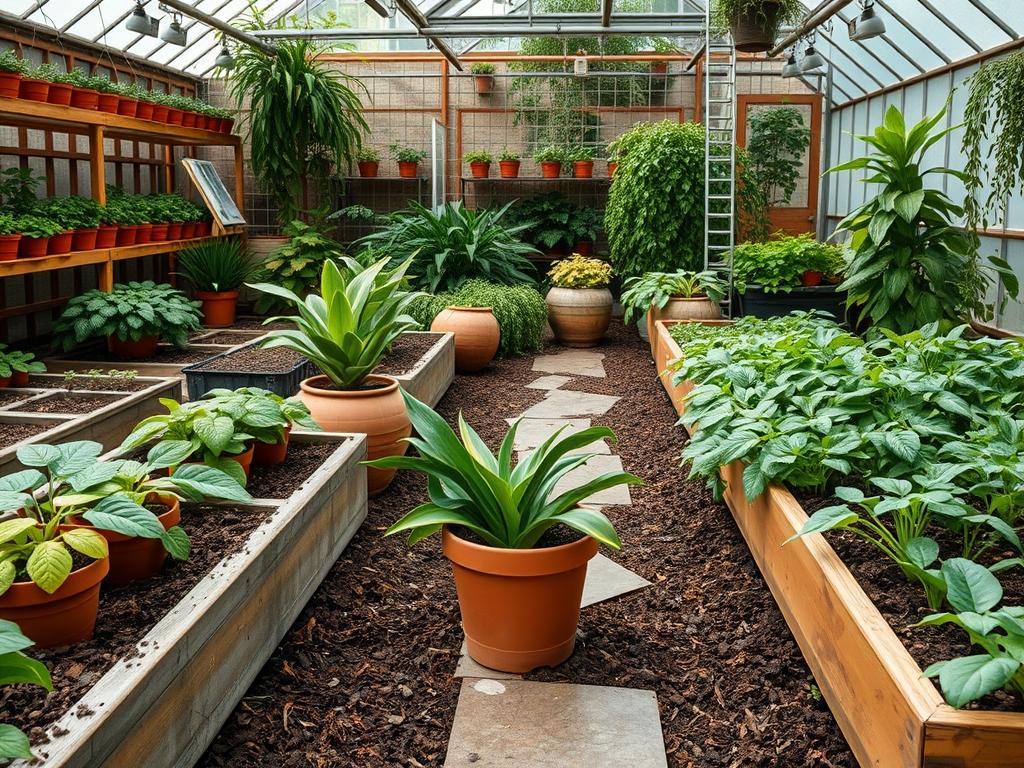
Designing a landscape that incorporates tropical flora requires a deep understanding of botanical requirements and environmental physics. Calatheas, often referred to as prayer plants due to their nyctinastic movement, present a specific set of challenges for the outdoor consultant. These plants are native to the forest floors of tropical Americas, where they thrive in dappled light and consistent, high humidity. When integrating these species into a high-end landscape or a semi-enclosed conservatory, the primary hurdle is not just aesthetics but the creation of a sustainable substrate. This is where Calathea Soil Mix Tips become essential for any professional installation. The goal is to balance moisture retention with sufficient aeration, ensuring the roots have access to oxygen while remaining in a dampened state. In many professional outdoor settings, maintaining this balance requires an engineered approach to soil layering and drainage systems.
A successful landscape layout involving these sensitive species must account for the local micro-climate. Whether you are designing a sleek residential courtyard or a sprawling commercial atrium, the soil is the foundation of your curb appeal. If the soil fails, the foliage browns, and the visual impact of the landscape vanishes. Therefore, we approach the soil as a mechanical system. We must evaluate the porosity, the cation exchange capacity, and the decomposition rate of organic materials within the mix. High humidity environments can often lead to anaerobic conditions if the substrate is too heavy. To prevent this, architects must specify mix components that resist compaction over time, providing a stable environment for the Calathea zebrina or Calathea makoyana to flourish throughout the year.
Landscape Design Principles
In the realm of professional landscape architecture, we rely on core principles to ensure that every plant serves a purpose within the larger vision. Symmetry and visual balance are paramount when using Calatheas. Their bold, patterned leaves act as natural focal points. Because these plants typically grow to a height of 12 to 24 inches, they function beautifully as mid-level elevation layers. We often place them beneath the canopy of larger specimens like Ficus lyrata or Kentia Palms to mimic their natural understory habitat. This architectural layering protects the Calathea from direct sunlight while creating a lush, multi-dimensional aesthetic that enhances the perceived depth of the garden.
Irrigation planning is another pillar of the design process. For a high-humidity landscape, we often install overhead misting systems or subsurface drip lines. The placement of these systems must be coordinated with the layout of walkways and hardscaping to prevent excessive runoff onto pedestrian paths. We also use visual balance to guide the eye; the dark greens and deep purples of Calathea roseopicta can be used to ground a space, while the lighter, silvery tones of a Calathea orbifolia can brighten a shaded corner. By calculating the “Visual Weight” of each plant, we create a harmonious environment that feels both intentional and organic.
Plant and Material Selection
The following table outlines the specifications for common species and the materials required to support them within a professional landscape.
| Plant Type | Sun Exposure | Soil Needs | Water Demand | Growth Speed | Maintenance Level |
| :— | :— | :— | :— | :— | :— |
| Calathea Orbifolia | Partial Shade | Aerated, Rich | High | Moderate | High |
| Goeppertia Insignis | Indirect Light | Well-Draining | Medium | Moderate | Medium |
| Calathea Medallion | Dappled Shade | Peat-Based | High | Fast | High |
| Perlite | N/A | Aeration Component | N/A | N/A | Low |
| Orchid Bark | N/A | Structural Support | N/A | N/A | Low |
| Coco Coir | N/A | Moisture Retention | N/A | N/A | Low |
Implementation Strategy
Implementing a professional backyard or conservatory layout begins with the grading process. We ensure that the ground or the planter base has a slight slope, usually a 2 percent grade, to direct excess water away from the root zones. Once the grading is established, we install high-quality edging to separate the tropical beds from lawn areas or gravel walkways. This prevents the specialized Calathea Soil Mix from migrating or being contaminated by inorganic fertilizers from other parts of the garden.
The actual soil preparation involves a specific ratio that we call the “Professional Tropical Blend.” We combine 50 percent coco coir, 20 percent perlite, 20 percent orchid bark, and 10 percent worm castings. This mixture provides the necessary moisture-wicking properties of the coir while the bark and perlite prevent the soil from collapsing into a dense, suffocating mass. We typically apply a 2-inch layer of decorative mulch or sphagnum moss on top of the soil. This mulch layer serves two purposes: it maintains soil moisture and creates a finished, professional look that hides the raw substrate. For hardscaping elements, we might use natural slate or river rocks to create moisture-retaining borders that slowly release humidity into the surrounding air during warmer hours.
Common Landscaping Failures
The most frequent error in maintaining high-humidity plants is improper drainage. Many amateur designs rely on heavy topsoil which holds too much water, leading to a “perched water table” at the bottom of the root zone. This causes the roots to rot because they cannot access atmospheric oxygen. Another common failure is root overcrowding. When Calatheas are planted too closely together, airflow is restricted, which can lead to fungal outbreaks like powdery mildew. Professional spacing should allow at least 12 to 18 inches between individual plants to promote air circulation.
Soil compaction is another silent killer in the landscape. Over time, frequent watering and the natural breakdown of organic matter can cause the soil to become like clay. To prevent this, we avoid using heavy standard garden soils and instead stick to our engineered mixes. Irrigation inefficiencies also plague many projects. If a drip system is not calibrated correctly, some plants may drown while others remain bone dry. We always recommend using a digital moisture meter during the first month of installation to fine-tune the delivery of water to the specific needs of each zone.
Seasonal Maintenance
Landscape management is a year-round commitment. In the spring, we focus on rejuvenation. This involves removing any tattered leaves that may have suffered during the dormant months and applying a light, liquid fertilizer to stimulate new growth. This is also the time to check the integrity of the mulch and replenish it if it has thinned to less than 2 inches.
During the summer, the primary goal is heat mitigation. In high-humidity landscapes, transpiration rates increase significantly. We may increase the misting frequency or set the irrigation to run in the early morning to minimize evaporation. Autumn is a period of transition where we begin to scale back on nutrients as the plants’ metabolism slows. We check for pests like spider mites, which thrive in drier indoor or screened-in conditions. Finally, in the winter, the focus shifts to moisture management and temperature control. If the landscape is outdoors, we may use frost cloths; if it is an interior conservatory, we monitor the humidity levels to ensure they stay above 60 percent.
Professional Landscaping FAQ
What is the ideal pH for a Calathea soil mix?
The ideal pH for most Calathea species is slightly acidic, ranging between 5.5 and 6.5. This range ensures that essential micronutrients remain available for uptake, preventing the common yellowing of foliage often seen in more alkaline soil conditions.
Can I use regular potting soil for Calatheas?
Standard potting soil is often too dense and lacks the necessary drainage for long-term health. We recommend amending it with 30 percent perlite or orchid bark to improve aeration and prevent the soil from becoming waterlogged after heavy irrigation.
How often should I replace the mulch in my tropical beds?
For aesthetic and functional purposes, you should refresh the mulch layer every six to twelve months. Organic mulches like sphagnum moss or fine bark decompose over time, adding nutrients back into the soil but losing their moisture-retention capabilities.
How do I identify poor drainage in my landscape design?
Look for standing water that persists for more than 30 minutes after watering or rainfall. If the soil smells sour or sulfurous, it is an indication of anaerobic bacteria, which suggests that the soil is compacted and needs immediate amendment.
Why is horticultural charcoal used in professional mixes?
Horticultural charcoal acts as a filter, absorbing impurities and excess salts from fertilizers. It also helps to keep the soil “sweet” by preventing the buildup of toxins, which is particularly important in closed environments like indoor planters or conservatories.