
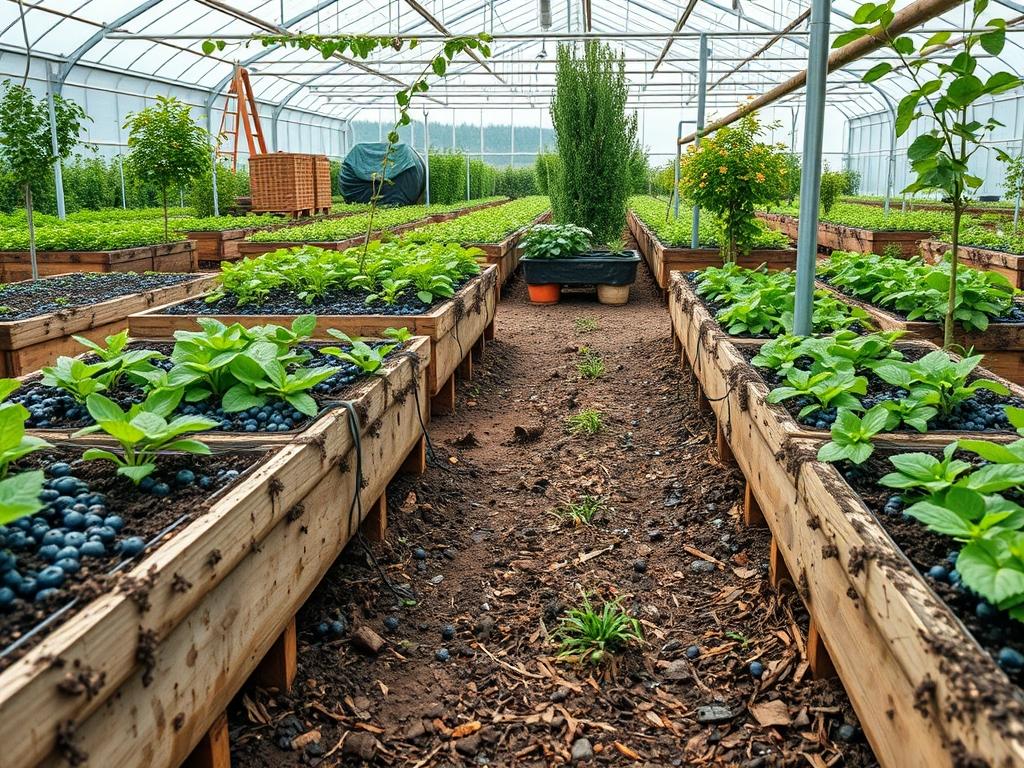
Cultivating a productive blueberry grove requires far more than simply digging a hole and placing a shrub in the ground. From a landscape architecture perspective, blueberries represent a unique paradox: they are aesthetically stunning ornamental plants that demand highly specific, almost industrial grade soil engineering to thrive. Most residential landscapes feature alkaline or neutral soils that are death sentences for the Ericaceae family. To integrate these shrubs into a functional outdoor environment, a consultant must view the ground not as dirt, but as a living substrate that dictates the health, yield, and longevity of the entire garden design. The challenge lies in creating an acidic pocket within a larger landscape without compromising the health of surrounding non-acidic plants. Achieving the best soil for blueberries involves a strategic blend of chemistry, physics, and site grading to ensure that water moves correctly and nutrients remain bioavailable.
The integration of blueberries into a master landscape plan enhances curb appeal through their delicate white spring blooms, deep green summer foliage, and brilliant crimson autumn displays. However, their functional success depends entirely on a site’s drainage profile and the chemical composition of the rhizosphere. When we design these spaces, we consider the elevation of the planting beds relative to the rest of the property. Poorly drained areas lead to Phytophthora root rot, while excessively dry sandy soils prevent the shallow, fibrous root systems from establishing. By focusing on soil structure first, we create a resilient foundation that supports both the architectural goals of the property and the biological needs of the fruit bearing species.
Landscape Design Principles
Successful blueberry integration relies on the principle of site specificity. Unlike many hardy landscape shrubs, blueberries lack root hairs, making them inefficient at absorbing water and nutrients in suboptimal conditions. Therefore, we utilize raised beds or berms as a primary design focal point. This elevation serves two purposes: it provides the necessary drainage and allows for a controlled soil environment. For a formal aesthetic, we often employ a symmetrical layout, using blueberries as structured hedging along a walkway or as foundational layers behind lower perennial borders.
Irrigation planning is another critical pillar of landscape design for these berries. We typically specify a dedicated drip irrigation system for blueberry zones. This ensures that moisture levels remain consistent without wetting the foliage, which can invite fungal pathogens. From a visual balance standpoint, the height of the variety chosen must correspond to the layers of the landscape. Northern Highbush varieties work well as mid-level anchors, while Lowbush options serve as excellent groundcovers or edging for stone paths. By layering these heights, we create a vertical interest that draws the eye through the garden while maintaining the functional accessibility needed for harvesting.
Plant and Material Selection
Selecting the right cultivars and soil amendments is the most technical phase of the project. The following table outlines the specifications for common varieties and their environmental requirements.
| Plant Type | Sun Exposure | Soil Needs | Water Demand | Growth Speed | Maintenance Level |
| :— | :— | :— | :— | :— | :— |
| Northern Highbush | Full Sun | Highly Acidic (4.5-4.8 pH) | High/Consistent | Medium | Moderate |
| Southern Highbush | Full Sun | Well-Drained Sandy Loam | Moderate | Fast | High |
| Rabbiteye | Full Sun/Part Shade | Adaptable/Acidic | Moderate | Fast | Low |
| Lowbush | Full Sun | Rocky/Acidic | Low/Medium | Slow | Low |
| Top Hat (Dwarf) | Full Sun | Potting Mix/Acidic | High | Slow | Moderate |
To achieve the best soil for blueberries, we rely on a specific toolkit of materials. Sphagnum Peat Moss is the gold standard for increasing acidity and improving moisture retention. We also incorporate Pine Bark or Aged Sawdust to provide the organic matter these plants crave. For pH adjustment, Elemental Sulfur is the most effective long term solution, though it requires several months to react with soil bacteria.
Implementation Strategy
The implementation process begins with a comprehensive soil test. Before any hardscaping or planting occurs, we must know the baseline pH and cation exchange capacity of the site. If the native soil is above a pH of 7.0, we recommend a total replacement strategy within a contained bed or the use of large containers. For most backyard layouts, we suggest digging a trench or pit at least 24 inches wide and 12 inches deep.
First, the excavated soil is amended or replaced. A blend of 50 percent native soil and 50 percent organic matter, such as peat or pine bark, is typically sufficient for mildly acidic sites. If the soil is heavy clay, we increase the organic percentage to improve aeration. Second, we install durable edging. Steel or stone edging prevents the acidic amendments from leaching into the surrounding lawn or flower beds where other species might prefer a neutral environment.
Third, the plants are set into the ground. It is vital to plant them at the same depth they were in their nursery containers. Planting too deep can suffocate the crown, while planting too shallow can lead to root desiccation. Finally, we apply a 3 inch layer of Pine Needle Mulch or Wood Chips. This mulch layer regulates soil temperature, suppresses weeds, and continues to acidify the soil as it decomposes over time. These steps ensure that the architectural vision is backed by a scientifically sound biological environment.
Common Landscaping Failures
One of the most frequent errors in blueberry cultivation is improper drainage management. When blueberries are planted in low lying areas of a yard without proper grading, water pools around the roots. This lack of oxygen results in “wet feet,” leading to rapid plant decline. Another common failure involves root overcrowding. Designers often place shrubs too close together to achieve an immediate “full” look. However, blueberries need a spacing of at least 4 feet to 5 feet to allow for air circulation and easy harvesting.
Soil compaction is another silent killer. Heavy foot traffic or the use of heavy machinery during construction can crush the delicate pore spaces in the soil. This prevents the shallow roots from expanding. Furthermore, many homeowners fail to monitor the pH after the initial planting. Because most irrigation water is slightly alkaline, the soil pH will naturally rise over time. Without regular applications of Ammonium Sulfate or Elemental Sulfur, the plants will eventually suffer from iron chlorosis, characterized by yellowing leaves with green veins.
Seasonal Maintenance
Managing a blueberry landscape is a year-round commitment that changes with the seasons. In the spring, the focus is on nutrient delivery. We apply an acidifying fertilizer just as the buds begin to swell. This is also the time to check the irrigation system for leaks or clogged emitters. As we move into summer, moisture management becomes the priority. During the heat of July and August, a blueberry bush may require up to 2 gallons of water per day to support fruit development.
Autumn is the season for soil replenishment. We add a fresh layer of mulch to protect the roots from the coming frost and perform a soil test to check the pH levels. Winter is the primary season for structural pruning. We remove older, unproductive wood to encourage the growth of new, vigorous canes. For younger plants, we also remove flower buds in the first two years to force the plant to divert its energy into establishing a robust root system. This long term perspective is what separates a professional landscape from a temporary garden.
Professional Landscaping FAQ
What is the ideal pH range for blueberries?
The best soil for blueberries maintains a pH between 4.5 and 4.8. If the pH rises above 5.5, the plants lose the ability to take up essential nutrients like iron, leading to stunted growth and poor fruit production.
Can I grow blueberries in heavy clay soil?
Yes, but you must modify the structure significantly. We recommend creating raised beds filled with a mix of Pine Bark and Peat Moss to ensure adequate drainage and aeration, as raw clay is too dense for their fine roots.
How often should I test my blueberry soil?
Perform a professional soil test every 2 years. This allows you to monitor the pH and nutrient levels accurately, ensuring you can make incremental adjustments with Elemental Sulfur before the plants show signs of distress or nutrient deficiency.
What is the best mulch for blueberries?
Pine Bark, Pine Needles, or Aged Sawdust are the premier choices. These organic materials are naturally acidic and provide the perfect texture for a blueberry’s shallow root system while helping to maintain consistent soil moisture levels throughout the summer.
Do blueberries need a second variety for pollination?
While many varieties are self fertile, planting at least two different cultivars that bloom at the same time will significantly increase fruit size and overall yield. This cross pollination is a standard recommendation for any professional edible landscape design.