
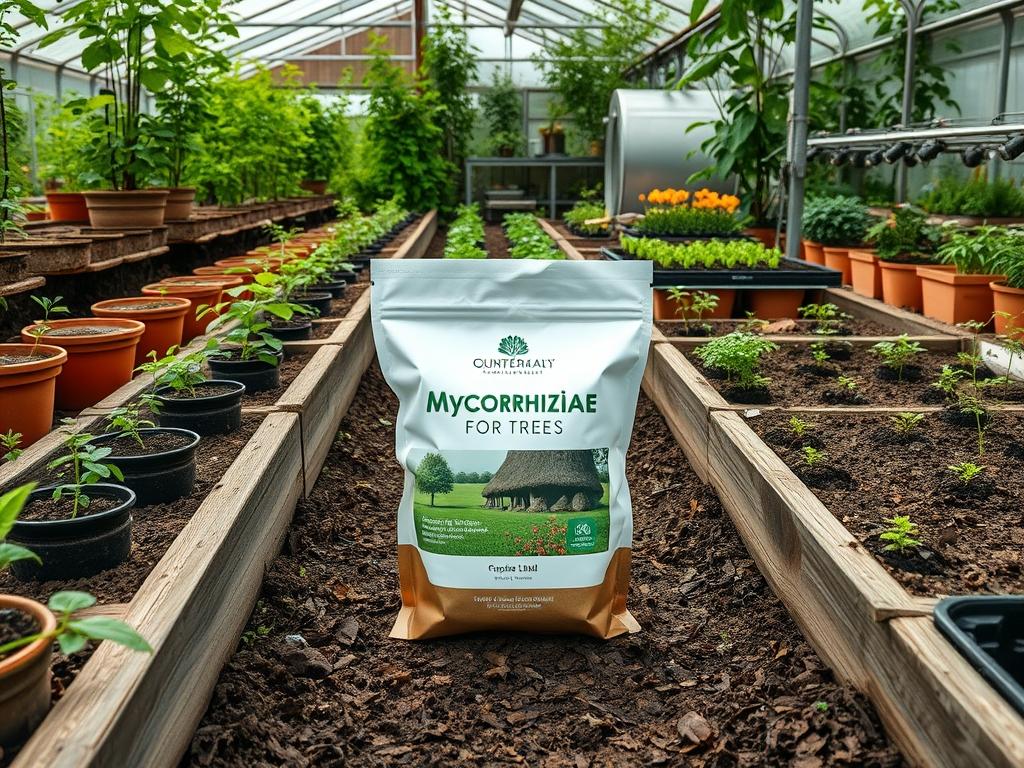
Establishing a high quality landscape requires far more than the mere placement of aesthetic elements; it demands a comprehensive understanding of the biological systems that sustain long term growth. For the professional landscape architect, the primary challenge is often the successful establishment of large specimen trees and shrubs in urban or suburban soils that have been depleted of their natural microbial life. When we specify and install expensive plant material to enhance curb appeal or create functional outdoor living spaces, the risk of transplant shock is a constant concern. This is where the application of mycorrhizae for trees becomes a vital component of the design and installation process. These beneficial fungi form a symbiotic relationship with plant roots, effectively extending the reach of the root system and improving the uptake of water and essential nutrients. By integrating these biological tools into a modern landscape plan, we ensure that the structural integrity and visual beauty of the garden remain intact for decades to come.
Landscape Design Principles
A successful landscape design relies on the harmony between structural hardscaping and the living environment. When planning a site, we must consider symmetry and focal points, ensuring that the eye is drawn naturally through the space. However, architectural symmetry can only be maintained if the plants on both sides of a walkway or entry point grow at a uniform rate. Soil health varies significantly across a single property, especially where Retaining Walls have been constructed or where site grading has moved topsoil. Using mycorrhizae for trees helps standardize the growth rates of Boxwood hedges or Emerald Green Arborvitae screens by providing a consistent nutrient delivery system, regardless of localized soil deficiencies.
Elevation layers play an equally important role in professional design. We often use raised planters or terraced beds to create visual interest and define different outdoor rooms. In these elevated environments, drainage is accelerated, and soil temperatures can fluctuate more rapidly than in the ground. Incorporating mycorrhizal inoculants during the planting phase helps these elevated plants withstand drought stress. Furthermore, irrigation planning must account for the increased efficiency that a fungal network provides. While a standard Drip Irrigation System is essential, plants with established fungal colonies require less frequent watering once they are acclimated. This allows for a more sustainable approach to water management in the overall landscape master plan.
The physical layout of walkways and patios also influences how we apply soil biology. In high traffic areas, soil compaction is a frequent issue that restricts oxygen and water flow to roots. By applying mycorrhizae during the installation of Silver Maple or River Birch near these hardscaped features, we provide the trees with the biological resilience needed to navigate compact substrates. This ensures that the focal points of the design, such as a majestic specimen tree shading a stone patio, remain vibrant and healthy despite the environmental stresses of an urban layout.
Plant and Material Selection
| Plant Type | Sun Exposure | Soil Needs | Water Demand | Growth Speed | Maintenance Level |
| :— | :— | :— | :— | :— | :— |
| Japanese Maple | Partial Shade | Well-drained, Acidic | Moderate | Slow-Medium | High |
| Oak Leaf Hydrangea | Part Sun/Shade | Rich Humus | Moderate | Medium | Low |
| Blue Spruce | Full Sun | Loamy/Gritty | Low | Slow | Medium |
| Common Juniper | Full Sun | Sandy/Poor Soil | Very Low | Medium | Low |
| Eastern Redbud | Full Sun/Part Shade | Moist/Well-drained | Moderate | Medium | Medium |
| American Holly | Full Sun/Part Shade | Acidic/Moist | Moderate | Slow | Low |
Implementation Strategy
The successful application of mycorrhizae for trees begins with proper site preparation. Before any plant hits the ground, the site must be graded to ensure that water moves away from the foundation of the home while not pooling in the planting zones. Once the grading is complete, we focus on the specific planting hole. For a new tree installation, the hole should be twice as wide as the Root Ball but no deeper. This ensures that the Root Collar remains slightly above the finished grade, preventing rot.
There are three primary methods for applying mycorrhizal inoculants during the implementation phase. The first is the granular application method, which is ideal for new installations. As the tree is placed in the hole, Granular Inoculant is sprinkled directly onto the damp root ball and into the backfill soil. It is crucial that the fungal spores make physical contact with the roots. A Hand Trowel can be used to mix the granules into the first 6 inches of soil surrounding the roots.
The second method is the root dip, which is most effective for bare root stock or smaller shrubs. A slurry is created using a concentrated powder and water in a 5 gallon bucket. The roots are submerged in this mixture immediately before planting. This provides 100 percent coverage and is the fastest way to initiate colonization.
For existing trees that are showing signs of decline or were planted without inoculants, the soil injection method or vertical mulching is preferred. Using a Power Auger, we drill holes 12 inches deep in a grid pattern starting from the trunk and extending to the drip line. These holes are then filled with a mixture of Compost, Perlite, and Mycorrhizal Spores. This technique bypasses surface compaction and delivers the fungi directly to the active root zone. Finally, a layer of Hardwood Mulch or Pine Bark Mulch should be applied at a depth of 3 inches, ensuring it does not touch the bark of the tree, which preserves the moisture needed for the fungi to thrive.
Common Landscaping Failures
One of the most frequent failures in professional landscaping is the over-application of high phosphorus fertilizers. While it may seem counterintuitive, high levels of phosphorus actually inhibit the formation of mycorrhizal relationships. The plant, sensing an abundance of the nutrient, stops sending the chemical signals that invite the fungi to attach to its roots. This creates a state of dependency where the plant survives on chemical inputs but lacks the natural resilience to survive a drought or a missed irrigation cycle.
Another common mistake is improper drainage planning. If a tree is planted in a “bathtub” of heavy clay soil without proper grading or the addition of porous materials, the roots will suffocate. Mycorrhizae are aerobic organisms; they require oxygen to survive. In waterlogged conditions, the beneficial fungi die off and are replaced by anaerobic pathogens like Phytophthora, which lead to root rot.
Soil compaction during the construction phase is another silent killer. Heavy machinery frequently traverses the site, crushing the soil structure and eliminating the pore spaces where fungi live. If a landscape is installed over this compacted ground without proper mechanical aeration or the use of Organic Matter, the mycorrhizae for trees will fail to establish. Furthermore, improper spacing often leads to root overcrowding. When trees are planted too close together, they compete for the same fungal network in a way that can eventually lead to stunted growth for the less dominant species.
Seasonal Maintenance
Landscape management is a year round commitment that changes with the biological clock of the environment. In the spring, the focus should be on supporting the awakening root systems. As the soil warms to approximately 50 degrees Fahrenheit, fungal activity begins. This is the ideal time for supplemental soil drenching with liquid biostimulants that contain humic acid, which fuels the existing fungal network.
Summer maintenance is primarily about water management and stress reduction. During periods of extreme heat, the mycorrhizal network acts as a buffer. Irrigation should be deep and infrequent rather than shallow and daily. Using a Soaker Hose for 2 hours once a week is far more effective for the fungi and the tree than a quick daily spray. This encourages the roots and their fungal partners to grow deeper into the cooler, moister subsoil.
Autumn is the season for soil building. As deciduous trees drop their leaves, they provide the organic carbon that feeds the soil food web. Rather than removing every leaf, we recommend mulching them into the turf or garden beds. This is also the best time for a second application of mycorrhizae for trees if the specimens were stressed during the summer. The cooling soil and increased rainfall provide a perfect window for new colonization before the ground freezes. Finally, in winter, maintenance involves protecting the site from salt damage and heavy snow loads. De-icing salts are toxic to most soil fungi, so using sand or Calcium Magnesium Acetate is a much safer choice for the biological health of the landscape.
Professional Landscaping FAQ
How long does it take for mycorrhizae to colonize a tree?
Colonization typically begins within a few weeks of application. However, the full benefits of a well established mycelial network generally take one full growing season to manifest as visible increases in foliage density and drought resistance.
Can I use the same mycorrhizae for every plant type?
No. Most trees require endomycorrhizae or ectomycorrhizae. For example, Oaks and Pines need ectomycorrhizae, while Maples and most shrubs require endomycorrhizae. Always check the product label for a diverse species blend to ensure compatibility.
Does mulch affect the performance of soil fungi?
Yes, in a positive way. A 3 inch layer of Organic Mulch helps maintain the consistent soil moisture and temperature that fungi need to thrive. It also slowly breaks down, providing the carbon source that sustains the fungal network.
Will chemical fungicides kill the beneficial mycorrhizae in my soil?
Systemic fungicides can significantly damage or kill beneficial soil fungi. If a disease is present, use targeted foliar treatments rather than soil drenching. Always wait several weeks after a fungicide application before reintroducing beneficial mycorrhizal spores to the site.
Is it possible to apply too much mycorrhizae for trees?
It is virtually impossible to over-apply these fungi. Any spores that do not find a host root will simply remain dormant in the soil or break down. However, following the recommended dosage on the Inoculant Bag is more cost effective for large projects.