
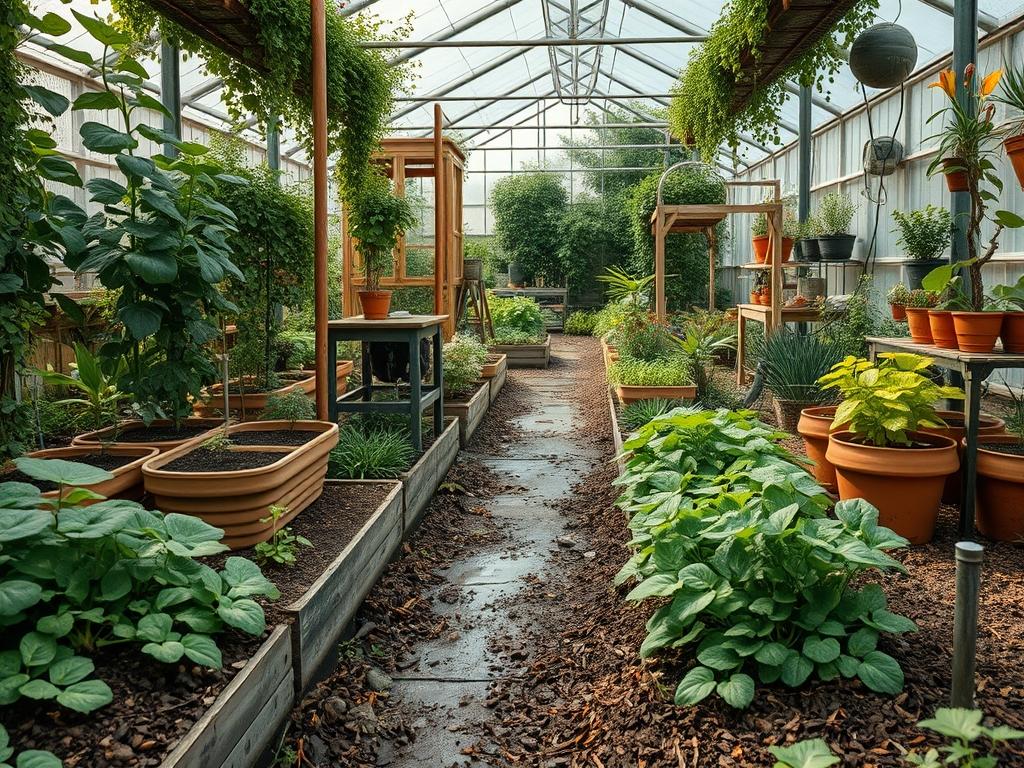
Creating a functional outdoor environment requires a delicate balance between engineering and biology. Most property owners view landscaping through the lens of aesthetics, focusing on the placement of Evergreen Trees, the curve of a Flagstone Path, or the height of a Stone Retaining Wall. However, the longevity of these visual elements depends entirely on the invisible ecosystem beneath the surface. Success in modern site design is no longer just about moving earth and planting nursery stock; it is about managing the soil food web. At the heart of this web, the role of protozoa in gardening becomes the primary driver of nutrient cycling. These single cell organisms act as the bridge between microbial activity and plant health. Without a thriving population of protozoa, even the most expensive landscape installation will struggle with nutrient deficiencies, poor soil structure, and increased susceptibility to pathogens.
Landscape Design Principles
Effective landscape architecture begins with a site analysis that accounts for both physical and biological constraints. Symmetry and visual balance provide the framework for curb appeal, but these elements must be grounded in structural integrity. When planning elevation layers, a designer must consider how water moves across the property. Grading should always direct moisture away from foundations while maintaining enough subsurface hydration to support the soil microbiome. High points in the landscape, often designated for focal plants like a Japanese Maple, require careful soil preparation to prevent rapid desiccation.
Walkways and hardscaping serve as the skeletal system of the yard. We utilize Steel Edging and Crushed Stone to define spaces, but we must be careful not to create “islands” of compacted soil that block the movement of beneficial organisms. Visual balance is achieved by Layering heights. We place Viburnum or Privet in the background, transitioning to mid-sized Perennials, and finishing with low-growing Groundcovers. This layering creates a microclimate that protects the soil surface from extreme temperature fluctuations. Consistent soil temperatures and moisture levels are essential for protozoa to remain active, as these organisms travel through thin films of water in the soil pores to hunt bacteria.
Plant and Material Selection
Selecting the right materials involves more than matching flower colors to home siding. We must choose species that thrive in the specific soil texture and light conditions of the site. The following table outlines several reliable options for professional installations.
| Plant Type | Sun Exposure | Soil Needs | Water Demand | Growth Speed | Maintenance Level |
| :— | :— | :— | :— | :— | :— |
| Switchgrass | Full Sun | Adaptable | Low | Fast | Low |
| Red Oak | Full Sun | Deep/Rich | Moderate | Moderate | Low |
| Korean Boxwood | Part Sun | Well-drained | Moderate | Slow | Medium |
| Purple Coneflower | Full Sun | Loamy/Dry | Low | Moderate | Low |
| Coral Bells | Shade | Moist/Organic | Moderate | Moderate | Medium |
| Creeping Thyme | Full Sun | Gritty/Sandy | Very Low | Fast | Low |
For hardscaping, we prioritize materials that allow for some level of permeability. Permeable Pavers or Gravel allow oxygen to reach the root zones. This oxygen is vital because protozoa are aerobic organisms. If the soil becomes anaerobic due to heavy clay or poor material choice, the beneficial protozoa die off, and harmful bacteria and pathogens take over the ecosystem.
Implementation Strategy
The transition from a design blueprint to a finished landscape requires a disciplined sequence of events. First, we establish the Grading. A slope of at least 2 percent away from structures is standard. Once the rough grade is set, we install irrigation lines and drainage pipes. PVC Piping and Catch Basins are essential for managing heavy rainfall and preventing the stagnant water that leads to root rot.
After the infrastructure is in place, we focus on soil restoration. Most construction sites have severely compacted soil. We use Tiller blades or Aerators to break up the top 8 inches of earth. This is the stage where we introduce organic matter. Incorporating Compost or Leaf Mold provides the food source for bacteria, which in turn attracts the protozoa. As protozoa graze on these bacteria, they excrete excess nitrogen in a form that plants can immediately absorb. This “poop loop” is the most efficient fertilization system on the planet.
Finally, we install the plants. We dig holes that are twice as wide as the root ball but no deeper. Once the plants are set, we apply a layer of Hardwood Mulch at a depth of 3 inches. We must ensure the mulch does not touch the trunk of the trees, as this can lead to fungal infections. This mulch layer serves as a blanket, keeping the soil moist and providing a sanctuary for the microorganisms that maintain soil porosity.
Common Landscaping Failures
The most frequent mistake in landscape installation is ignoring the physical properties of the soil. Soil compaction is the silent killer of urban gardens. When heavy machinery drives over a planting bed, it crushes the pore spaces. This eliminates the habitat for protozoa and fungi. Without these organisms to create soil aggregates, the earth becomes like concrete, and roots cannot penetrate.
Drainage mistakes are equally catastrophic. If a Retaining Wall is built without proper Weep Holes and Gravel Backfill, hydrostatic pressure will eventually cause the wall to fail. Furthermore, improper spacing of plants often leads to overcrowding within 3 to 5 years. When Hedges are planted too closely, airflow is restricted. This creates a high-humidity environment where powdery mildew and other blights thrive. Every plant should be spaced according to its mature width, even if the garden looks a bit sparse during the first season.
Lastly, over-irrigation is a common inefficiency. Many homeowners set their Timed Irrigation Systems to run every day for short durations. This encourages shallow root growth and creates a waterlogged environment that kills beneficial soil life. It is far better to water deeply and less frequently, allowing the top inch of soil to dry out between cycles.
Seasonal Maintenance
Landscape management is a year-round commitment that changes with the weather. In the Spring, the focus is on cleanup and preparation. We remove any dead debris, perform soil tests to check pH levels, and apply a fresh layer of Compost. This “wakes up” the protozoa population as the soil warms.
During the Summer, moisture management is the priority. We check the Irrigation Emitters for clogs and monitor plants for signs of heat stress. We avoid heavy pruning during extreme heat to prevent shocking the plants. In the Autumn, we focus on planting and soil building. Fall is the best time to plant Deciduous Trees because the cooler air and warm soil encourage root development. We also leave a thin layer of fallen leaves in the beds to provide winter cover for beneficial insects and microbes.
In the Winter, maintenance involves protecting sensitive species. We use Burlap Wraps for young trees and perform structural pruning on dormant Shrubs. This is the time to sharpen Pruning Shears and Lawn Mower Blades in preparation for the next growing season. By following this cycle, the landscape remains resilient and vibrant.
Professional Landscaping FAQ
How do protozoa actually help my plants grow?
Protozoa consume large quantities of bacteria. Since bacteria contain more nitrogen than protozoa need, the excess is released into the soil as ammonium. This provides a constant, slow-release fertilizer directly at the root zone where plants need it most.
What is the best way to fix compacted soil?
Mechanical aeration is the most effective immediate fix. By removing small plugs of soil or using a Broadfork to create air channels, you restore oxygen levels. Adding Organic Compost afterward ensures that beneficial microbes return to keep the soil loose.
How deep should my mulch layer be for a new garden?
A depth of 3 inches is ideal for most applications. This thickness is sufficient to suppress weed seeds and retain moisture without suffocating the soil. Always keep the mulch a few inches away from the base of trunks and stems.
Why are my plants turning yellow despite regular watering?
This is often a sign of nitrogen tie-up or anaerobic conditions. If the soil is too wet, protozoa cannot survive to release nitrogen. Alternatively, over-watering may be leaching nutrients out of the root zone before the plants can use them.
Should I use synthetic fertilizers or organic compost?
Synthetic fertilizers provide a quick hit of nutrients but often harm the soil microbiome. Compost supports a diverse ecosystem of protozoa and fungi, leading to long-term soil health. For sustainable landscaping, organic amendments are always the superior choice for plant health.