
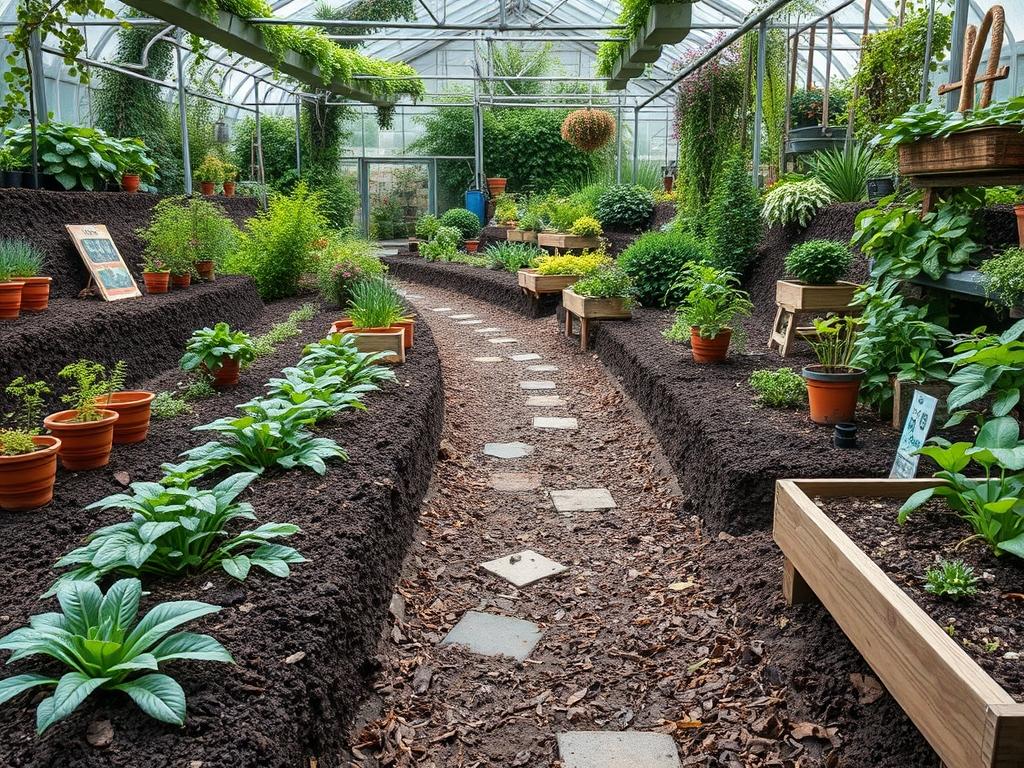
Managing a sloped garden requires a deep understanding of hydraulic pressure and soil stability. Without a strategic intervention, gravity becomes a relentless landscape architect, stripping away fertile topsoil and carving unsightly rills into the hillside. From an engineering perspective, the challenge is to slow the velocity of water as it moves across the surface while simultaneously protecting the root systems of your plantings. Successful mulching on an incline is not merely about aesthetic coverage; it is about creating a functional, interlocking skin for the earth. When executed correctly, these techniques enhance curb appeal by transforming a difficult vertical space into a lush, tiered environment that serves as a focal point for the entire property. This process begins with choosing the right materials and understanding the physics of the slope to ensure that your investment does not wash into the street after the first heavy rainstorm.
Landscape Design Principles
When designing for elevation, the primary goal is to break the visual and physical momentum of the slope. Symmetry often takes a backseat to organic balance on an incline. By implementing elevation layers, such as staggered terraces or rock outcroppings, you create flat pockets where water can infiltrate the soil rather than racing over it. These layers act as natural braking systems. Focal points should be placed at varying heights to draw the eye upward, using larger specimen plants or hardscape features like a Fieldstone retaining wall.
Irrigation planning is critical in these environments. Standard overhead sprinklers are often inefficient on hillsides because the water runs off before it can penetrate the root zone. Instead, landscape architects recommend Drip Irrigation Lines tucked beneath the mulch. This delivery method ensures moisture reaches the plants directly at the soil level. Furthermore, walkways should follow the contours of the land rather than cutting directly up the hill. A winding path of Crushed Granite or Flagstone provides safer access for maintenance and adds a structural element that helps anchor the surrounding soil and mulch.
Plant and Material Selection
Selecting the right biological and physical components is the foundation of any stabilization project. The following table outlines high-performance options for sloped environments.
| Plant Type | Sun Exposure | Soil Needs | Water Demand | Growth Speed | Maintenance Level |
| :— | :— | :— | :— | :— | :— |
| Creeping Juniper | Full Sun | Well-drained | Low | Medium | Low |
| Switchgrass | Full Sun | Varied | Low | Fast | Low |
| Vinca Minor | Partial Shade | Moist/Loamy | Moderate | Fast | Medium |
| Blue Rug Juniper | Full Sun | Sandy/Rocky | Very Low | Slow | Low |
| Daylilies | Full Sun/Part Sun | Adaptable | Moderate | Fast | Medium |
| English Ivy | Shade | Moist | Moderate | Aggressive | High |
Implementation Strategy
The process begins with proper site preparation. Before the first bag of mulch is opened, the grade must be evaluated. If the incline exceeds a 30-degree angle, simple mulching may not suffice without mechanical assistance. Start by clearing all weeds and debris using a Stiff Rake and a Spade. If the soil is heavily compacted, lightly scarify the surface to improve air exchange, though you must be careful not to trigger more erosion during this phase.
For the mulch itself, avoid lightweight options like Pine Bark Nuggets, which are buoyant and will float away during a heavy downpour. Instead, specify Double-Shredded Hardwood Mulch or Cedar Gorilla Hair. The fibrous strands of these materials interlock like Velcro, creating a matted texture that clings to the soil. Apply the mulch to a depth of precisely 3 inches. Any thinner and it will not suppress weeds or retain moisture; any thicker and it may prevent oxygen from reaching the plant roots.
In high-velocity areas, use Jute Netting or Biodegradable Erosion Control Blankets over the soil before applying the mulch. Secure these blankets with 6-inch Landscaping Staples driven flush into the ground. This provides a structural grid that holds the mulch in place while the root systems of your Perennials and Groundcovers establish themselves. Finally, create a “V” shaped trench or use Steel Edging at the bottom of the slope to catch any minor migration of material and provide a clean, professional finish.
Common Landscaping Failures
One of the most frequent errors in sloped gardening is the “mulch volcano” around the base of trees or shrubs. Piling mulch against the trunk traps moisture against the bark, leading to fungal rot and pest infestations. Keep the material at least 2 inches away from the stems of your plants. Another mistake is ignoring the Angle of Repose. If a slope is too steep, no amount of mulch will stay put without a Tiered Retaining Wall or significant rock armoring.
Soil compaction is another silent killer. During construction or planting, heavy foot traffic can compress the soil, turning it into a waterproof slide. Always work from the bottom up or use Plywood Sheets to distribute your weight. Lastly, many homeowners fail to account for “point source” drainage. If a downspout from the roof is directed at the top of a mulched slope, it will create a localized canyon. Always pipe drainage away from the face of the slope or install a River Rock swale to dissipate the energy of the water.
Seasonal Maintenance
Maintenance requirements shift as the seasons change. In the spring, inspect the slope for any signs of winter “heaving,” where the freeze-thaw cycle pushes plants and staples out of the ground. This is the time to replenish any thinned areas of Hardwood Mulch and check that the Drip Irrigation emitters are not clogged with silt. This is also the best window to prune your Groundcovers to encourage dense, mat-forming growth.
During the summer, the focus shifts to moisture management. High-angle slopes dry out significantly faster than flat ground because they are often more exposed to wind and sun. Monitor the soil beneath the mulch twice a week. In autumn, clear fallen leaves from the surface. While leaves are organic, a thick layer of matted maple or oak leaves can actually cause the underlying mulch to slide by creating a slick barrier. Finally, in winter, avoid using heavy salt de-icers near the top of the slope, as the runoff will carry those salts down through your garden bed, potentially killing sensitive Native Plants and damaging the soil chemistry for years to come.
Professional Landscaping FAQ
What is the best type of mulch for steep hills?
Double-Shredded Hardwood or Cedar Fibers are superior for inclines. Their jagged, interlocking shapes allow them to knit together, resisting gravity and water flow much better than smooth, round materials like wood chips or stones.
How do I keep mulch from sliding down the hill?
Install Erosion Control Netting or Jute Mesh before mulching. You can also use “contour wattles,” which are small bundles of straw or fiber, staked horizontally across the slope to create mini-terraces that catch migrating material.
Can I use stones instead of wood mulch on a slope?
Only if you use Angular Riprap or Crushed Gravel. Round river stones act like ball bearings and will slide to the bottom. For very steep grades, stones often require a filter fabric and structural headers to remain stable.
How deep should I apply mulch on an incline?
Maintain a consistent depth of 3 inches. This provides enough mass to stay in place and effectively suppress weeds without becoming an unstable, heavy layer that is prone to sliding off the soil surface during saturation.
How often should I replace mulch on a sloped garden?
Because sloped areas experience higher environmental stress, you should plan for a “top-dress” refresh every 12 to 18 months. This maintains the interlocking structure and replaces organic matter that has decomposed or washed away during heavy storms.