
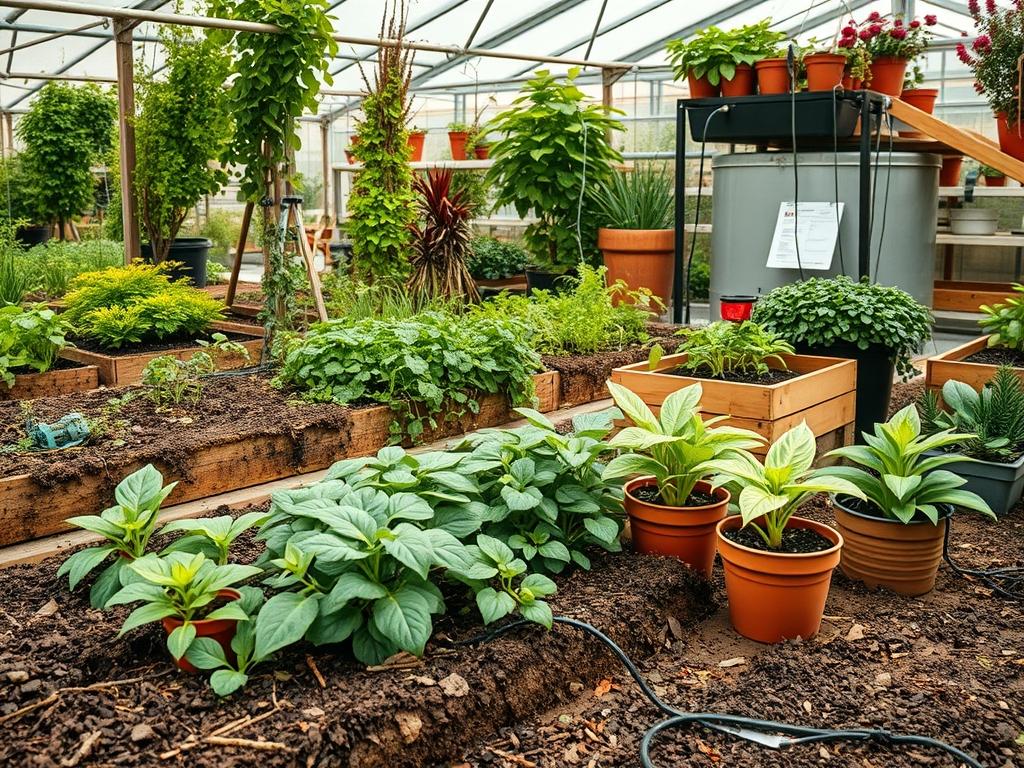
The foundation of any high-end landscape project resides not in the aesthetic of the stone or the foliage of the perennials, but in the biological integrity of the soil. Professional landscape architects understand that high-performance gardens require significant nutrient cycling to maintain curb appeal and structural health throughout the seasons. In urban and suburban environments, managing organic waste while producing high-quality amendments is a logistical challenge. This is where the integration of specialized equipment becomes vital. Utilizing specific tumbler composting tips allows a homeowner to accelerate the decomposition process, turning kitchen scraps and yard trimmison into nutrient dense humus in a matter of weeks. This rapid production cycle supports the intense metabolic needs of ornamental beds and vegetable gardens alike, ensuring that the outdoor environment remains a functional, self-sustaining ecosystem. By treating soil as a living infrastructure, we move beyond simple decoration into the realm of regenerative land management.
Landscape Design Principles
When designing a professional landscape, symmetry and visual balance dictate how a viewer perceives the space. A central focal point, perhaps a sculpted evergreen or a large limestone boulder, anchors the eye and provides a sense of permanence. However, the functionality of the space depends on less visible elements, such as elevation layers and irrigation planning. Proper grading ensures that water flows away from the home foundation and toward designated drainage zones or rain gardens. This prevent stasis and root rot, especially in areas with heavy clay deposits.
The placement of utility items, such as a dual-chamber compost tumbler, requires careful consideration within the overall layout. It should be easily accessible via flagstone walkways yet screened from primary sightlines using lattice fencing or evergreen screens. This maintains the aesthetic elegance of the garden while keeping the utility of the site active. Strategic irrigation planning must also account for these zones, as maintaining the correct moisture level within your compost system is essential for microbial activity. Elevation changes can be managed with dry-stack stone retaining walls, which create flat terraces for planting. These tiers allow for better visual depth and facilitate easier maintenance, as the gardener can access various plant layers without excessive bending or soil compaction.
Plant and Material Selection
Selecting the right biological and physical components is the difference between a thriving estate and a high-maintenance burden. The following table outlines primary selections for a temperate-zone landscape.
| Plant Type | Sun Exposure | Soil Needs | Water Demand | Growth Speed | Maintenance Level |
| :— | :— | :— | :— | :— | :— |
| Boxwood Hedge | Full Sun to Part Shade | Well-drained | Moderate | Slow | Medium |
| Purple Coneflower | Full Sun | Organic-rich | Low | Fast | Low |
| Japanese Maple | Filtered Sunlight | Slightly Acidic | Moderate | Slow | High |
| Creeping Thyme | Full Sun | Sandy/Rocky | Low | Moderate | Low |
| Switchgrass | Full Sun | Varied | Low once established | Fast | Low |
| Pachysandra | Full Shade | High Organic Matter | Moderate | Moderate | Low |
For material selection, triple-shredded hardwood mulch is frequently preferred for its ability to suppress weeds and slowly contribute carbon to the soil. For hardscaping, decomposed granite or pea gravel offers a permeable surface that reduces runoff. These materials work in tandem with the organic output from your composting system to create a balanced, sustainable environment.
Implementation Strategy
The successful execution of a landscape plan begins with precise site preparation. Before any plants are installed, the grading must be verified using a transit level to ensure a 2 percent slope away from all structures. Once the terrain is set, the layout of the walkways and planting beds should be marked using landscape marking paint.
One of the most effective tumbler composting tips for fast backyard soil is the pre-shredding of all materials. Before adding “browns” (carbon-rich materials like dried leaves) or “greens” (nitrogen-rich materials like grass clippings) to the drum, use a leaf shredder or lawn mower to reduce their particle size. Smaller surface areas allow bacteria to colonize and break down the material significantly faster. Aim for a ratio of 3 parts carbon to 1 part nitrogen.
Next, establish clear edging using 14-gauge steel or tumbled brick to prevent turf grass from encroaching into the mulch beds. When planting, the hole should be twice the width of the root ball but no deeper. Incorporating 2 inches of fresh compost from your tumbler into the backfill soil provides an immediate nutrient boost. Once the plants are in the ground, apply a 3-inch layer of mulch to regulate soil temperature. Finally, install a drip irrigation system with a smart controller to provide consistent moisture, which reduces plant stress and encourages deep root penetration.
Common Landscaping Failures
Failure in the landscape often stems from a lack of foresight regarding subterranean conditions. Soil compaction is a frequent culprit, occurring when heavy machinery or constant foot traffic collapses the air pockets in the soil. Without these pockets, oxygen cannot reach the roots, and water cannot drain, leading to anaerobic conditions that kill beneficial microbes. To prevent this, never work soil while it is saturated.
Another common mistake involves improper drainage. When water pools near the root flares of oak trees or ornamental shrubs, it creates a breeding ground for fungal pathogens. Using a french drain or a catch basin can redirect this excess moisture to a more suitable location. Furthermore, gardeners often ignore the importance of aeration in their composting process. To ensure your tumbler produces fast backyard soil, it must be rotated at least three to five times a week. Failure to rotate leads to a soggy, odorous mess rather than the crumbly, earthy compost required for high-end gardening. Lastly, ignore the temptation to plant too densely. While it provides immediate “fullness,” root overcrowding leads to competition for nutrients and stunted growth within three years of installation.
Seasonal Maintenance
Landscape management is a year-round discipline that fluctuates with the temperature and photoperiod. In the spring, the focus is on reactivation. This is the time to clear away winter debris, prune ornamental grasses, and apply a fresh layer of compost. It is also the ideal moment to restart your tumbler with fresh nitrogen sources to kickstart the microbial population for the growing season.
Summer maintenance revolves around hydration and monitoring. Use a soil moisture meter to ensure that deeper root zones are receiving water and not just the top inch of mulch. High heat can also cause compost tumblers to dry out, so adding a small amount of water during mid-summer rotations is necessary.
Autumn is the season of collection and preparation. As deciduous trees drop their leaves, use them as your primary carbon source for the winter composting cycle. This is also the best time to plant spring-blooming bulbs and apply a final application of slow-release fertilizer.
Winter shifted the focus to infrastructure. Check retaining walls for shifting due to freeze-thaw cycles and ensure your irrigation lines are fully winterized to prevent burst pipes. Keep your compost tumbler active by adding “green” kitchen scraps, though the process will slow down as temperatures drop. Insulating the tumbler drum with burlap or moving it to a sunny spot can help maintain some metabolic heat.
Professional Landscaping FAQ
How often should I rotate my compost tumbler for the fastest results?
For optimal decomposition, rotate the tumbler three to five times every few days. This introduces necessary oxygen to the aerobic bacteria, preventing anaerobic pockets and accelerating the breakdown of organic matter into usable soil.
What is the best way to hide a compost tumbler in a small yard?
Use evergreen shrubs like green giant arborvitae or decorative cedar screens. Place the unit in a utility zone accessible by a gravel path, ensuring it remains functional without disrupting the primary visual focal points of your landscape.
Can I use fresh compost directly on my plants?
Fresh compost should be mature and earthy-smelling before application. Use a hand trowel to mix it into the top 2 inches of soil or apply it as a top-dressing. Avoid touching the stems of delicate perennials to prevent nitrogen burn.
Why does my landscape have poor drainage despite good slope?
You likely have high clay content or a hardpan layer beneath the surface. Amending the area with organic matter from your compost tumbler and installing a perforated drain pipe wrapped in filter fabric will help move subsurface water effectively.
What is the ideal mulch depth for a new garden bed?
Maintain a depth of 3 inches of wood mulch. This is sufficient to suppress weed germination and retain moisture without suffocating the soil. Ensure the mulch is pulled back 2 inches from the base of trunks and stems.