
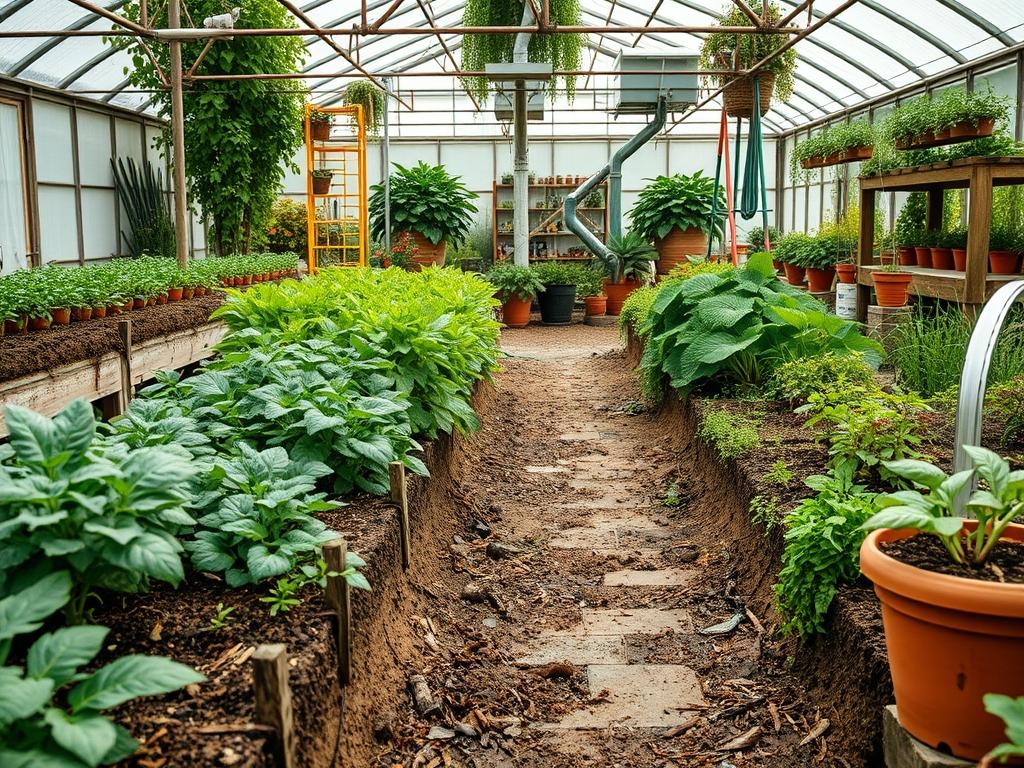
Designing a high-performance landscape requires a shift in perspective from aesthetic arrangement to biological engineering. As a landscape architect, I see many projects fail not because of poor visual design, but because the underlying soil chemistry cannot support the ambitious plant palette installed by the contractor. Achieving lasting curb appeal and outdoor functionality requires a deep understanding of the metabolic needs of your greenery, particularly when dealing with the stressors of urban heat islands or competitive root environments. The primary challenge in modern residential landscaping is the degradation of soil vitality during the construction process. When heavy machinery compacts the earth, it destroys the pore space necessary for oxygen and water infiltration, leading to a sterile environment where even the most expensive Japanese Maples or Boxwood hedges struggle to establish. This is where strategic soil amendment becomes a foundational pillar of design.
One of the most effective, yet often overlooked, tools for the professional consultant is the integration of marine-based amendments. Understanding the Fish Bone Meal Benefits provides a roadmap for long-term plant health and structural integrity within the garden. Unlike synthetic fertilizers that offer a sharp, short-lived spike in nitrogen, fish bone meal acts as a slow-release reservoir of phosphorus and calcium. These two elements are the silent architects of a garden. Phosphorus drives the ATP energy cycles necessary for root expansion and flower production, while calcium strengthens cell walls, making plants more resilient to pests, diseases, and the physical stresses of wind or heavy snow. By incorporating these organic nutrients into the initial grading and planting phases, we ensure that the landscape is not just beautiful on the day of the ribbon-cutting, but increasingly robust as the years progress.
Landscape Design Principles
Successful garden planning relies on the marriage of formal geometry and biological reality. We utilize Symmetry and Focal Points to guide the eye, but these elements require healthy, uniform plant growth to remain effective. If one side of a symmetrical Privet hedge fails due to nutrient deficiency, the entire visual balance of the property collapses. To prevent this, we prioritize soil health at the blueprint stage. We also consider Elevation Layers, which involve placing taller structural trees like Oaks or Cedrus deodora in the background, transitioning to mid-sized shrubs, and finally to low-lying perennials. This layering creates a sense of depth and enclosure, but it also creates intense competition for nutrients.
Irrigation Planning must be integrated with the terrain to ensure that water does not pool near the foundations of Retaining Walls. Poorly managed runoff can leach nutrients away from the root zones. By using organic amendments that bind to the soil matrix, such as those that provide the Fish Bone Meal Benefits, we reduce the risk of nutrient runoff into local watersheds. Furthermore, the design of Walkways and hardscaped areas should account for the “root flare” of nearby trees. Using porous materials and ensuring the soil beneath is rich in minerals allows roots to grow downward rather than lifting pavers in a desperate search for oxygen and phosphorus.
Plant and Material Selection
Selecting the right materials involves balancing the biological needs of the plant with the architectural intent of the space. Below is a selection of commonly utilized plants and their requirements within a professional landscape plan.
| Plant Type | Sun Exposure | Soil Needs | Water Demand | Growth Speed | Maintenance Level |
| :— | :— | :— | :— | :— | :— |
| Native Perennials | Full Sun | Well-drained | Low to Medium | Fast | Low |
| Flowering Shrubs | Partial Shade | Humus-rich | Medium | Medium | Moderate |
| Evergreen Screen | Full to Partial | Slightly Acidic | Medium | Moderate | Low |
| Fruit Trees | Full Sun | Loamy/Rich | High | Medium | High |
| Groundcover | Shade | Moist/Porous | Medium | Fast | Moderate |
When selecting these species, we must consider the specific mineral inputs they require. For instance, Fruit Trees and Flowering Shrubs are heavy consumers of phosphorus. Utilizing the Fish Bone Meal Benefits in the planting hole ensures that as these plants transition from their nursery containers to the field soil, they have an immediate and sustainable source of the nutrients required for bloom development and fruit set.
Implementation Strategy
The transition from a design on paper to a realized landscape requires a disciplined, step-by-step approach. First, we address Grading. The site must be sloped to direct water away from the home at a minimum of a 2 percent grade. Once the rough grade is established, we focus on soil preparation. This is the ideal moment to till in organic matter and minerals. We recommend a heavy application of compost mixed with Fish Bone Meal to the top 6 to 8 inches of soil. This ensures that the entire planting bed is pre-charged with the phosphorus necessary for rapid root colonization.
Next, we establish Edging to define the boundaries between turfed areas and planting beds. Steel or heavy-duty composite edging provides a clean, architectural line that prevents grass from encroaching on delicate perennials. Following the installation of the plants, we apply a consistent 3-inch layer of Mulch. This mulch creates a protective blanket that regulates soil temperature and retains moisture. We also install Drip Irrigation lines beneath the mulch layer to deliver water directly to the root zones, minimizing evaporation and foliar disease. Finally, any Hardscaping elements, such as stone patios or Retaining Walls, must be finished with proper backfilling of gravel to ensure drainage remains unimpeded.
Common Landscaping Failures
The most frequent failure I encounter in the field is Drainage Mistakes. When water sits stagnant around the root ball of a plant, it creates an anaerobic environment that leads to root rot. Even the highest quality nutrients cannot save a plant that is drowning. Another common issue is Root Overcrowding. Designers often place plants too close together to achieve an “instant” full look, but within three years, the plants begin to compete for light and nutrients, leading to a decline in health.
Soil Compaction is a silent killer. In new construction, the “soil” is often just dead subsoil stripped of its microbial life. If a contractor plants directly into this without remediation, the plants will likely enter a state of permanent stress. Improper Spacing also leads to poor air circulation, which invites fungal pathogens. Lastly, Irrigation Inefficiencies, such as using overhead sprays in the heat of the day, waste water and fail to penetrate deep enough into the soil to encourage the deep root structures that provide drought tolerance.
Seasonal Maintenance
Landscape management is a year-round commitment. In Spring, the focus is on awakening the garden. We perform soil tests and apply a fresh round of amendments. This is the prime time to leverage the Fish Bone Meal Benefits to support the massive energy expenditure of spring budding. We also inspect Irrigation Emitters for clogs and sharpen Pruning Shears for early-season shaping.
During Summer, the priority shifts to hydration and heat management. We monitor the Mulch Depth to ensure it hasn’t thinned out. In Autumn, we prepare the plants for dormancy. This is the best time for planting new trees and shrubs, as the cooling air and warm soil encourage root growth without the stress of high leaf transpiration. We apply additional phosphorus-rich amendments now to strengthen the root systems before the ground freezes. Finally, in Winter, we focus on protection. We use Burlap Wraps for sensitive species and perform structural pruning on deciduous trees while their branching architecture is fully visible.
Professional Landscaping FAQ
How does fish bone meal differ from standard bone meal?
Fish bone meal generally contains a higher percentage of trace minerals and a small amount of nitrogen compared to traditional cow bone meal. It is also more easily broken down by soil microbes, making the phosphorus available to plants more quickly.
When is the best time to apply mineral amendments to my beds?
The most effective times are early spring, before the first flush of growth, and early autumn, while the soil is still warm. This allows the roots to absorb phosphorus and calcium during their most active growth phases in the seasonal cycle.
Can I use fish bone meal on all plant types?
Yes, it is highly beneficial for almost all vascular plants. It is particularly effective for flowering perennials, bulbs, and fruiting trees. However, use it sparingly on acid-loving plants like Azaleas if your soil pH is already high due to the calcium content.
How deep should I incorporate amendments during planting?
For new installations, mix amendments into the top 6 to 12 inches of the soil profile. For established plants, you can “top-dress” the area by scratching the meal into the first inch of soil and then watering it in thoroughly.
Does organic fertilizer prevent drainage issues in the garden?
While fertilizer itself does not fix drainage, the organic matter often paired with it helps improve soil structure. This creates stable aggregates that allow water to move more freely, though significant drainage issues require physical solutions like French Drains.