
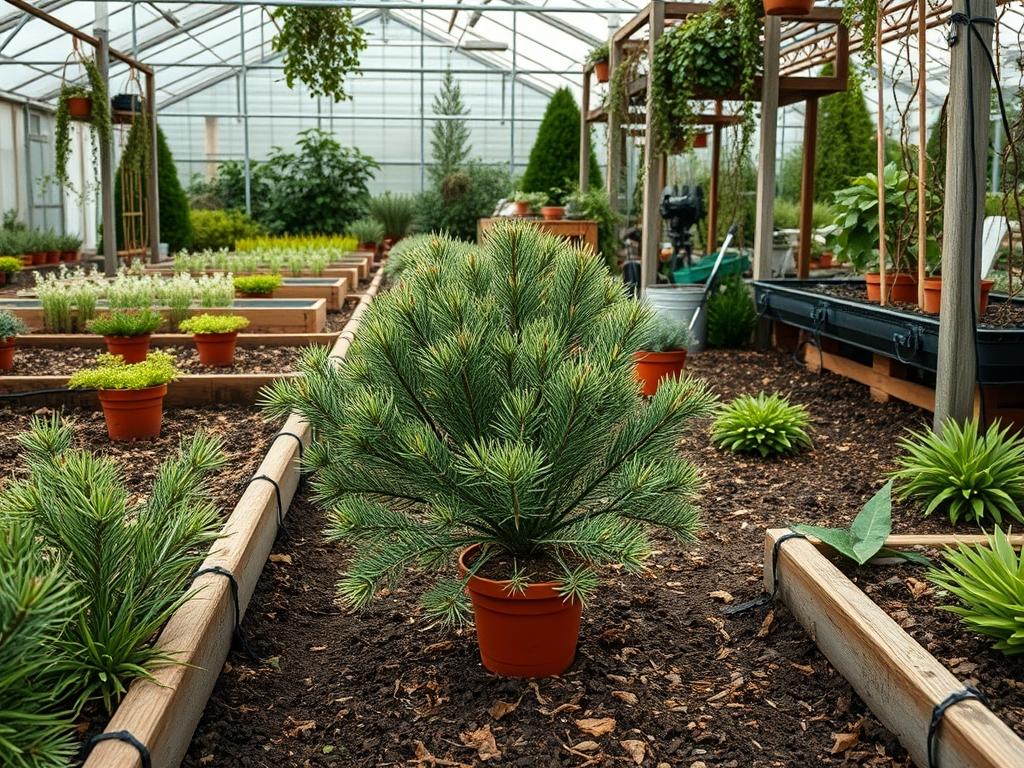
Managing a high-end landscape requires a deep understanding of the biological timelines associated with organic matter. In professional site planning, the accumulation of pine needles, or pinestraw, is often viewed through two lenses: its immediate aesthetic value as a copper-toned ground cover and its long-term role as a soil amendment. However, many property owners become frustrated when they realize that composting pine needles is a significantly slower process than decomposing the broad leaves of oak, maple, or birch trees. This delay is not a failure of the compost pile but a result of the specific evolutionary defenses of coniferous species. To integrate these materials into a functional outdoor environment, a designer must account for the chemical and physical barriers that prevent rapid breakdown.
The primary reason for this temporal disparity is the waxy coating known as the cuticle that surrounds each needle. This layer is rich in cutin, a lipid-based substance designed to prevent moisture loss and protect the tree from harsh freezing cycles. While a soft maple leaf possesses a large surface area and a thin cellular structure, a pine needle is compact and shielded. This waxy barrier acts as an antimicrobial shield, repelling the very fungi and bacteria required to initiate the decomposition process. Furthermore, pine needles contain high concentrations of lignin and tannins. These complex organic polymers are notoriously resistant to enzymatic breakdown; they require specialized fungi, often referred to as white-rot or brown-rot fungi, to dismantle their molecular chains.
From a landscape architecture perspective, the slow breakdown of needles is actually a functional benefit for certain design goals. When a client requests a low-maintenance woodland path or a naturalized border, the durability of the needle is an asset. It provides a stable, porous surface that resists compaction and stays in place during heavy rain. However, when the goal is to produce nutrient-rich humus for a vegetable garden or a formal rose bed, the needles require manual intervention. They have a high carbon-to-nitrogen ratio, often exceeding 80:1, which is far above the ideal 30:1 ratio found in active compost. Without the addition of nitrogen-rich green waste or urea, the needles will sit dormant for two to three years before fully integrating into the soil profile.
Landscape Design Principles
Integrating pine-heavy areas into a cohesive landscape plan requires a focus on visual balance and functional layering. Symmetry is often difficult to achieve in sites dominated by mature White Pines or Loblolly Pines, as the acidic needle drop creates a distinct biological zone beneath the canopy. To counter this, architects use focal points such as natural stone boulders or weathered steel edging to define the space. These hardscaping elements provide a clean line that separates the rugged, needle-covered forest floor from the manicured turfgrass or formal perennial beds.
Elevation layers are another critical consideration. Because pine needles create a thick, springy mat, they can subtly change the grade of a site over several decades. We plan for this by ensuring that retaining walls and drainage swales are set at heights that accommodate at least 4 inches of organic accumulation. Irrigation planning must also be adjusted; the hydrophobic nature of fresh needles means that water often sheds off the surface rather than penetrating the root zone. We utilize drip irrigation lines tucked beneath the needle layer to ensure that moisture reaches the soil directly, bypassing the waxy barrier of the needles.
Visual balance is achieved by contrasting the fine texture of the needles with broad-leaved understory plants. The orange and brown tints of the needles serve as a neutral backdrop that makes the deep greens of Broadleaf Evergreens or the vibrant blooms of shade-loving species pop. By treating the needle drop as a deliberate design choice rather than a maintenance burden, we create a landscape that feels intentional and ecologically grounded.
Plant and Material Selection
| Plant Type | Sun Exposure | Soil Needs | Water Demand | Growth Speed | Maintenance Level |
| :— | :— | :— | :— | :— | :— |
| Azalea (Rhododendron) | Part Shade | Acidic/Welldrained | Moderate | Medium | Low |
| Blueberry (Vaccinium) | Full Sun | Highly Acidic | High | Medium | Medium |
| Japanese Forest Grass | Shade | Moist/Humus | Moderate | Slow | Low |
| Christmas Fern | Full Shade | Moist/Loamy | High | Slow | Low |
| Oakleaf Hydrangea | Part Sun | Rich/Organic | Moderate | Fast | Medium |
| Hosta (Sieboldiana) | Shade | Well-drained | Moderate | Fast | Low |
Implementation Strategy
Executing a backyard layout that incorporates pine needles requires careful site preparation to ensure long-term health. We begin with grading; the soil must be sloped away from the home foundation at a minimum of 2 percent to prevent moisture buildup. Once the grade is established, we define the beds using 6-inch steel edging or trench edging to keep the needles from migrating into the lawn.
Before the needles are applied, we address the soil chemistry. A common misconception is that pine needles immediately turn the soil acidic. While they are acidic when fresh, their pH neutralizes as they decompose. However, during the multi-year breakdown period, the soil underneath can become compacted. We recommend a core aerator to loosen the soil before applying a 2-inch base layer of composted leaf mold, followed by a 3-inch top dressing of needles. This “lasagna” approach provides immediate nutrients to the plants while the needles provide the desired aesthetic finish and moisture retention.
For hardscaping, we prioritize materials that complement the rustic nature of the needles. Flagstone or decomposed granite walkways work well in these environments. When installing walkways, we ensure the stone is set slightly higher than the mulch line. This prevents the needles from blowing onto the walking surface, which can become slippery when wet. Finally, a comptost thermometer should be used if the needles are being processed in a backyard bin. Keeping the internal temperature of the pile between 135 and 150 degrees Fahrenheit is the only way to significantly accelerate the breakdown of the waxy cutin layer.
Common Landscaping Failures
The most frequent mistake seen in pine-dominated landscapes is improper drainage. Because needles do not break down quickly, they can form a dense, thatch-like mat that prevents oxygen exchange. This “smothering effect” leads to soil compaction and root rot in sensitive species. If the needles are not thinned or turned periodically, they can create a hydrophobic crust that causes irrigation water to run off into drainage basins before it ever reaches the plants.
Root overcrowding is another issue particularly prevalent with pines. These trees have competitive, shallow root systems. Homeowners often try to plant Boxwoods or other shallow-rooted shrubs too close to the trunk. The combination of root competition and the nitrogen-robbing effect of decomposing needles often leads to stunted growth. Furthermore, exceeding a 4-inch depth of needles against the trunk of a tree can trap moisture against the bark, encouraging fungal cankers and pest infestations.
Seasonal Maintenance
Spring management involves thinning the needle mat. Use a stiff-tine rake to remove the gray, weathered needles from the previous year, exposing the soil to sunlight and air. This is also the time to apply a high-nitrogen fertilizer to counteract the nitrogen tie-up that occurs during the slow decomposition process.
In summer, Moore’s law of landscaping applies: moisture is king. Check the soil beneath the needles; if it feels dusty, increase the duration of your irrigation cycles. The needles will keep the roots cool, but only if the water can penetrate the surface.
Autumn brings the primary needle drop. Rather than removing all the new needles, we suggest using a leaf mulcher or lawn mower with a bagging attachment to chop them into smaller fragments. Reducing the size of the needle increases the surface area for microbes, effectively cutting the decomposition time in half.
Winter maintenance is minimal, but the needles serve a vital role here as insulation. Leave a 4-inch layer over the root zones of tender perennials to protect against the freeze-thaw cycle. The needles are particularly effective because they do not mat down under snow as easily as broad leaves, maintaining those critical insulating air pockets.
Professional Landscaping FAQ
Why are pine needles better than wood chips for slopes?
Pine needles interlock with one another, creating a web-like structure that stays in place on inclines. Wood chips and shredded bark tend to wash away during heavy rain, whereas needles provide superior erosion control and soil stabilization.
How can I make pine needles decompose faster in my bin?
Use a shredder to break the waxy cuticle. Mix the needles with high-nitrogen materials like grass clippings or manure. Maintain high moisture levels and turn the pile weekly with a pitchfork to ensure proper oxygenation for the fungi.
Will pine needles kill my lawn if left on the grass?
Yes. Because they take so long to break down, they will quickly smother the turfgrass blades and block sunlight. Use a leaf blower or rake to move them into garden beds where they can serve as beneficial mulch.
Is it true that pine needles make the soil too acidic?
Fresh needles have a low pH, but they have a minimal impact on overall soil acidity as they decompose. Most “acid-loving” plants thrive under pines because of the soil’s texture and moisture, not just its pH level.
Can I use pine needles in a vegetable garden?
They are excellent for pathways or as mulch for strawberries and blueberries. However, avoid mixing fresh needles directly into the soil where you plan to grow heavy feeders, as they will cause a temporary nitrogen deficiency during their long breakdown.