
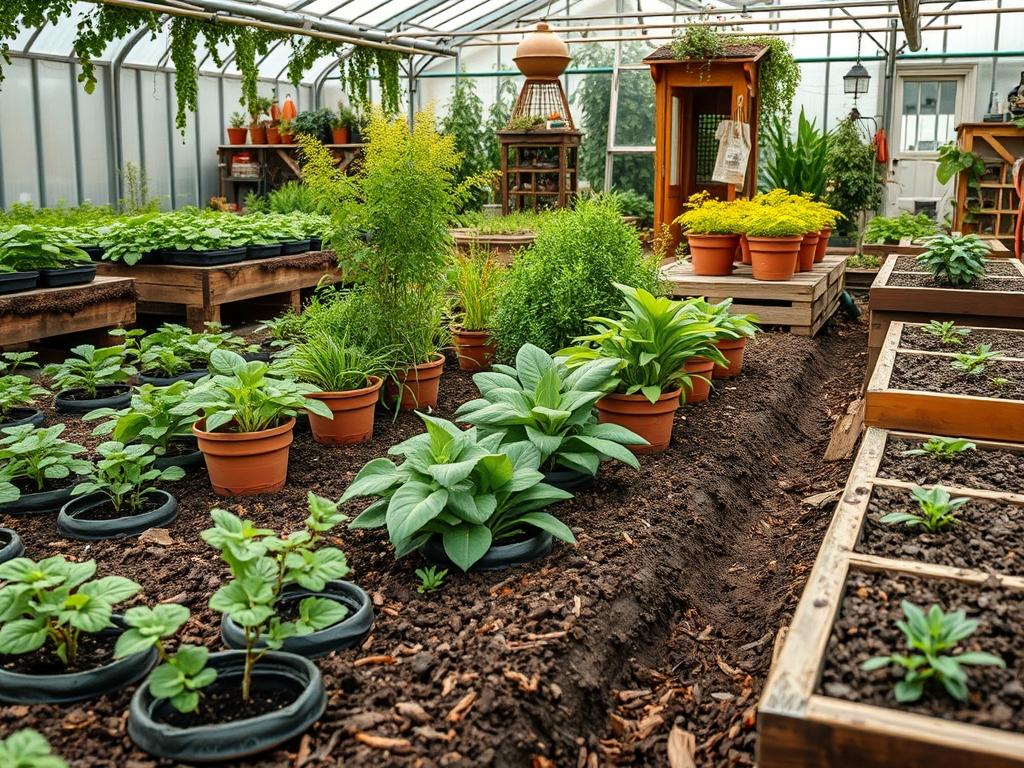
Creating a high-performance outdoor environment requires more than a simple eye for aesthetics. It demands a rigorous understanding of the local ecology, soil chemistry, and structural engineering. When we approach a professional landscape project, the primary challenge often lies in reconciling the aesthetic desires of the client with the biological realities of the site. A lush, vibrant garden that boosts curb appeal is only possible when the underlying soil structure provides the necessary nutrients and drainage. One of the most effective ways to achieve this level of vitality is through the strategic application of Chicken Manure Fertilizer, a potent organic amendment that can transform lackluster soil into a thriving ecosystem. However, its use requires a sophisticated approach to safety and timing. If applied raw, its high nitrogen and ammonia content can desiccate delicate root systems or introduce pathogens. Therefore, successful garden planning must integrate nutrient management with hardscaping and plant selection to ensure the outdoor space remains functional, beautiful, and sustainable for decades.
Landscape Design Principles
Professional landscape architecture rests on the foundation of visual balance and spatial logic. Symmetry is a powerful tool in formal designs, where mirrored plantings and structured pathways create a sense of order and prestige. In more contemporary or naturalistic settings, we look toward asymmetrical balance, utilizing varying masses and textures to guide the eye without the rigidity of perfect reflection. Focal points are essential in both styles. A well-placed specimen tree like a Liquidambar styraciflua or a handcrafted water feature serves as an anchor for the surrounding foliage. These elements provide a destination for the eye, preventing the landscape from feeling cluttered or aimless.
Elevation layers add a three-dimensional quality that simple flat lawns lack. By utilizing retaining walls and tiered garden beds, we create depth and visual interest. These structures also serve a practical purpose by managing runoff and preventing erosion on sloped properties. When planning these elevations, irrigation must be a primary consideration. A professional-grade drip irrigation system is often the most efficient way to deliver water directly to the root zones, minimizing evaporation and water waste. This infrastructure should be installed before any heavy planting occurs to ensure that pipes are buried at a depth of at least 12 inches to avoid damage from future aeration or tilling.
Walkways serve as the circulatory system of the landscape. They define how people move through the outdoor living space and interact with the environment. Whether using flagstone, decomposed granite, or pavers, the material should complement the architecture of the primary residence. Visual balance is achieved when the scale of the walkways and hardscaped patios is proportional to the size of the garden beds. A common rule of thumb is to maintain a ratio that favors the green space, ensuring the hardscaping does not overwhelm the natural elements.
Plant and Material Selection
Selecting the right biological components is a matter of matching the plant’s physiological needs with the site’s microclimate. The following table outlines several species often utilized in high-end landscape designs for their resilience and aesthetic impact.
| Plant Type | Sun Exposure | Soil Needs | Water Demand | Growth Speed | Maintenance Level |
| :— | :— | :— | :— | :— | :— |
| Quercus virginiana | Full Sun | Deep, acidic to neutral | Moderate | Moderate | Low |
| Buxus microphylla | Partial Shade | Well-drained, loamy | Consistent | Slow | Moderate |
| Echinacea purpurea | Full Sun | Lean, well-drained | Low | Fast | Low |
| Hydrangea macrophylla | Shade/Part Sun | Rich, moist organic | High | Moderate | Medium |
| Miscanthus sinensis | Full Sun | Adaptable | Low once set | Fast | Low |
| Acer palmatum | Dappled Shade | Slightly acidic, rich | Moderate | Slow | High |
Implementation Strategy
The transition from a blueprint to a finished landscape requires a disciplined sequence of operations. The process begins with grading, which is the most critical step for long-term site health. Proper grading ensures that water flows away from the home’s foundation and into designated bioswales or French drains. A common mistake is to ignore the “rough grade” before bringing in topsoil. Use a laser level to verify that the slope is at least 2 percent away from any structures.
Once the grade is established, soil amendment begins. This is the optimal time to integrate Chicken Manure Fertilizer into the landscape. To use it safely, ensure the manure has been aged for at least 6 months or has been commercially pelletized. This curing process breaks down the high ammonia levels that would otherwise “burn” the roots of fresh transplants. For a new garden bed, spread a layer of approximately 1 inch of composted manure across the surface and till it into the top 6 to 8 inches of soil. This provides a slow-release source of nitrogen, phosphorus, and potassium, which are essential for establishing the vigorous root systems needed by native plants and ornamentals alike.
After soil preparation, edging is used to define the boundaries between lawns and planting beds. Materials like steel edging or poured concrete curbs provide a clean line that prevents turfgrass from encroaching on delicate perennials. Planting follows, with careful attention paid to the spacing requirements of each species. Once the plants are in the ground, a 3-inch layer of hardwood mulch or pine bark should be applied. Mulch serves several roles: it retains moisture, suppresses weed growth, and as it decomposes, it adds further organic matter to the soil, complementing the initial application of Chicken Manure Fertilizer.
Common Landscaping Failures
Even the most expensive landscapes can fail if basic biological and mechanical principles are ignored. Drainage mistakes are the most frequent cause of plant death. When water pools in a garden bed, it displaces oxygen in the soil, leading to root rot. If the soil is heavy clay, it must be amended with expanded shale or organic compost to improve its porosity. Soil compaction is another silent killer, often caused by heavy machinery moving over the site during construction. Compacted soil prevents roots from penetrating the earth and stops water from reaching the deeper layers. Using a core aerator can help mitigate this issue in existing lawns.
Improper spacing is an aesthetic failure that reveals itself over time. Homeowners often want an “instant” garden and plant shrubs too close together. Within five years, these plants become overcrowded, competing for light and nutrients, which leads to a decline in their health and visual appeal. Similarly, irrigation inefficiencies, such as overwatering or poorly aimed sprinkler heads, can cause fungal outbreaks. It is vital to calibrate the irrigation controller based on the specific needs of each planting zone.
Seasonal Maintenance
Maintenance is an ongoing commitment that preserves the integrity of the design. In the spring, the focus should be on “waking up” the garden. This involves pruning dead wood from deciduous trees, dividing overgrown perennials, and applying a fresh round of aged Chicken Manure Fertilizer to heavy feeders like roses or vegetable patches. Summer maintenance is primarily about water management and pest control. During heat waves, it may be necessary to supplement the automated irrigation with hand-watering for newly established trees.
Autumn is the season for preparation. This is the best time to plant new trees and shrubs, as the cooler temperatures and increased rainfall allow roots to establish before the ground freezes. It is also the time to apply a final layer of mulch to insulate root systems. In winter, maintenance shifts to structural tasks. It is the ideal period for “dormant pruning” and for surveying the hardscaping for any signs of shifting or cracking in retaining walls and walkways. Clearing debris from drainage grates ensures that winter rains do not cause localized flooding.
Professional Landscaping FAQ
How do I apply chicken manure fertilizer without burning my plants?
Always use aged or composted manure rather than fresh waste. Incorporate it into the soil several weeks before planting, or apply it as a light top-dressing around the base of established plants, keeping it several inches away from the main stems.
What is the best way to prevent weeds in new garden beds?
A combination of a geotextile weed barrier and a thick 3-inch layer of mulch is highly effective. For organic approaches, dense planting schedules that close the canopy quickly will naturally shade out most germinating weed seeds.
How often should I check my irrigation system for leaks?
Perform a visual inspection once a month during the growing season. Look for low pressure, “geysers” from broken heads, or unusually soggy patches of turf, which often indicate a subterranean pipe leak or a cracked fitting.
Which native plants provide the best privacy screening?
Species like Prunus caroliniana or Juniperus virginiana offer dense, evergreen foliage that acts as a natural sound barrier and privacy screen. They are generally more drought-tolerant and disease-resistant than non-native ornamental hedges.
Why is drainage more important than fertilization for new trees?
While nutrients are important, a tree can survive in lean soil, but it will die quickly in anaerobic, waterlogged conditions. Proper drainage ensures that roots can breathe, which is the primary requirement for survival and growth.