The successful integration of lavender into a professional landscape design requires a fundamental shift in how we perceive soil health and site preparation. While many ornamental species thrive in the rich, loamy, and moisture-retentive soils typical of high-end residential gardens, members of the Lavandula genus are evolutionary outliers that demand lean conditions. To the uninitiated, the decline of a lavender hedge is often a mystery, yet for the landscape architect, the culprit is almost always “wet feet.” Choosing the best soil for lavender is not merely a horticultural preference; it is a critical engineering requirement to prevent root rot and ensure the longevity of the installation. When designing for curb appeal and outdoor functionality, lavender offers unmatched sensory value and structural symmetry, but its success depends entirely on the invisible environment beneath the surface.
In regions with high rainfall or heavy clay density, the native soil frequently acts as a crucible for pathogens like Phytophthora. These water-mold fungi thrive in compacted, anaerobic environments where oxygen cannot reach the root system. Consequently, the primary goal of any lavender installation is to create a substrate that facilitates rapid vertical drainage. This involves a calculated balance of mineral components, such as coarse sand, pea gravel, and crushed limestone, which ensure that water moves through the root zone in minutes rather than hours. By prioritizing drainage over nutrient density, we can transform a potential maintenance liability into a resilient, low-water asset that enhances the architectural lines of a property year-round.
Landscape Design Principles
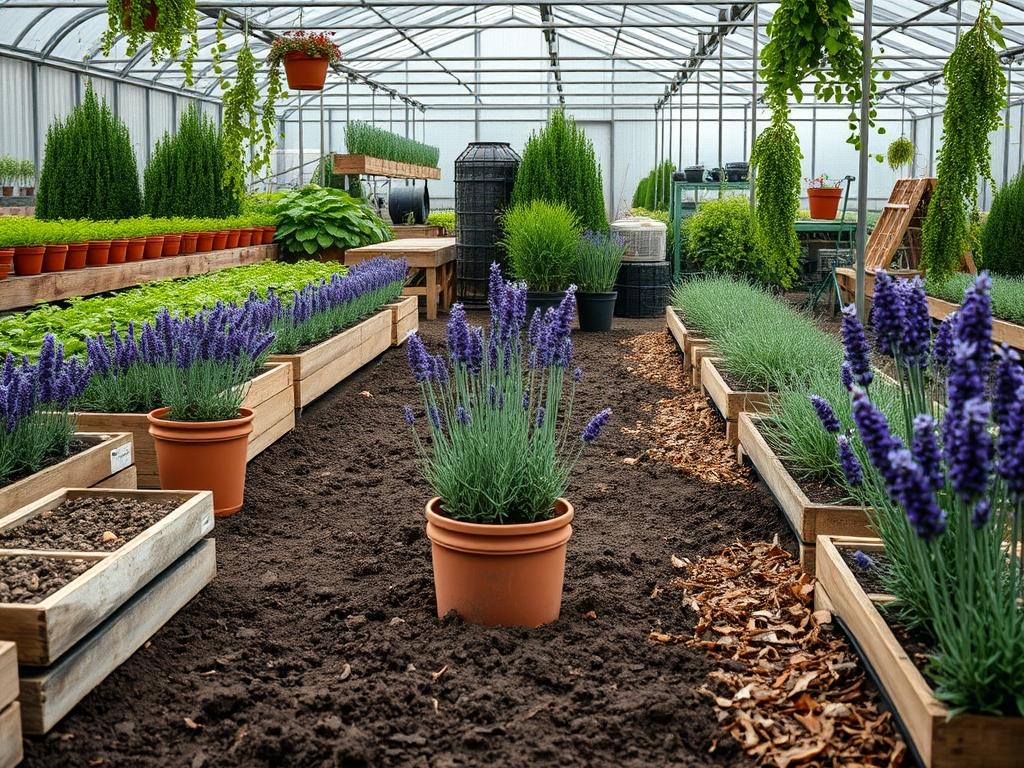
In the realm of landscape architecture, lavender serves as a versatile tool for defining transitions and establishing visual rhythm. Symmetry is often achieved by using English Lavender to line formal walkways or to frame a central focal point, such as a fountain or a sun-drenched terrace. However, the aesthetic success of these features relies on the underlying elevation strategy. Using elevation layers allows the designer to naturally direct water away from the plant crowns. Creating a slight berm or a raised planting bed of 12 inches to 18 inches not only provides the necessary drainage but also adds a sophisticated sense of depth and topography to an otherwise flat backyard.
Irrigation planning must be handled with extreme precision. While traditional landscape beds might utilize overhead sprayers, lavender necessitates a more surgical approach. Sub-surface drip irrigation is the preferred method, delivering water directly to the soil while keeping the foliage dry. This minimizes the risk of fungal leaf spot and keeps the silver-green aesthetic crisp and clean. Furthermore, the walkway materials adjacent to the lavender should complement its drainage needs. Using permeable hardscaping, such as decomposed granite or spaced flagstone, allows for a cohesive moisture management system across the entire site.
Plant and Material Selection
Selecting the right cultivar and pairing it with the appropriate inorganic soil amendments is a prerequisite for a thriving garden. The following table outlines the requirements for common lavender species used in high-performance landscaping.
| Plant Type | Sun Exposure | Soil Needs | Water Demand | Growth Speed | Maintenance Level |
| :— | :— | :— | :— | :— | :— |
| English Lavender | Full Sun | Gritty, Alkaline, pH 7.0+ | Very Low | Moderate | Medium |
| French Lavender | Full Sun | Sandy Loam, Well-Drained | Low | Fast | High |
| Phenomenal (Hybrid) | Full Sun | Versatile, High Drainage | Low | Fast | Low |
| Spanish Lavender | Full Sun | Sandy, Slightly Acidic to Neutral | Low | Moderate | Medium |
| Munstead Lavender | Full Sun | Rocky, Low Nutrient | Very Low | Slow | Low |
Implementation Strategy
The implementation of a professional lavender garden begins with a rigorous grading plan. One must ensure the backyard or target area is sloped at a minimum of 2 percent away from any structures or stagnant zones. If the native soil is heavy clay, excavation is necessary. We recommend removing the top 12 inches of soil and replacing it with a custom mix designed specifically for Mediterranean species. This mix should consist of 40 percent crushed stone or horticultural grit, 40 percent coarse sand, and only 20 percent organic compost. This ratio provides the “lean” environment that prevents the plant from becoming “leggy” or top-heavy.
Edging is another critical component for both aesthetics and functionality. Using a galvanized steel edge or a stone retaining wall allows the lavender beds to remain distinct from turfgrass, which requires significantly more water and nitrogen. When installing the plants, they should be set slightly higher than the surrounding soil line to prevent water from pooling around the crown. Instead of using wood-based mulch, which retains moisture and promotes rot, a 1-inch to 2-inch layer of white gravel or crushed oyster shells should be applied. This inorganic mulch reflects light into the interior of the plant, accelerating growth and keeping the root neck dry.
Common Landscaping Failures
The most frequent failure in lavender cultivation is the use of standard horticultural “black gold” or highly amended potting soils. These mixes are designed to hold water, which is a death sentence for Lavandula. Soil compaction caused by heavy foot traffic or construction machinery also poses a significant threat. Compacted soil lacks the macro-pores necessary for gas exchange, leading to a rapid decline in plant vigor. It is essential to avoid using heavy equipment in the planting beds once the soil has been prepared.
Another common mistake is improper spacing. While a dense hedge of purple blooms is a desirable focal point, planting too closely restricts airflow. Without adequate circulation, humidity trapped between the plants creates a breeding ground for mildew. Professional spacing should typically be between 24 inches and 36 inches on center, depending on the cultivar’s mature width. Finally, the over-application of nitrogen-rich fertilizers is a common pitfall. Excessive nitrogen produces rapid, weak growth that lacks the high essential oil content and structural integrity required to withstand winter winds or heavy snow loads.
Seasonal Maintenance
Seasonal management of a lavender landscape focuses more on pruning and moisture control than on traditional feeding. In the Spring, after the first flush of new growth appears, a light shaping prune is necessary. Using bypass pruners, remove about one-third of the green growth, but never cut back into the old, unproductive wood. This encourages a rounded, compact form and prevents the center of the plant from becoming bare. Simultaneously, the irrigation system should be checked to ensure no emitters are clogged or leaking, as a slow leak can quickly saturate the soil.
During the Summer, maintenance is minimal, provided the drainage is functioning. This is the time to monitor for any signs of yellowing, which could indicate over-watering rather than a lack of nutrients. As Autumn approaches, the landscape architect should focus on sanitation. Removing spent bloom spikes and clearing any fallen leaves from the base of the plants ensures that the gravel mulch remains clean and porous. In the Winter, especially in colder climates, the primary concern is preventing ice crystals from sitting in the crown. If the soil has been properly engineered with high mineral content, the roots will remain insulated and dry, allowing the lavender to survive even in sub-freezing temperatures without the need for heavy protective coverings.
Professional Landscaping FAQ
What is the single best soil amendment for lavender?
Horticultural grit or coarse sand is the most effective amendment. It creates large air pockets within the soil structure, facilitating rapid drainage and preventing the anaerobic conditions that result in root rot in heavy clay landscapes.
How do I test my garden’s drainage before planting?
Dig a hole 12 inches deep and fill it with water. If the water has not drained completely within one hour, the site requires significant amendment with gravel or the installation of a raised bed to ensure plant survival.
Can I grow lavender in a backyard with heavy clay?
Yes, but you must avoid planting directly into the clay. Build a raised garden bed or a berm using a mix of crushed limestone and coarse sand to elevate the root system above the moisture-retentive clay layer.
Does lavender require a specific soil pH to thrive?
Lavender prefers slightly alkaline soil, ideally between 6.5 and 8.0 pH. If your soil is too acidic, incorporate dolomitic lime or crushed oyster shells to raise the pH level and provide essential calcium for stem strength.
What type of mulch should I use for a professional look?
Avoid wood chips or bark. Use pea gravel, river rocks, or crushed stone. These inorganic materials do not hold moisture against the plant’s crown and help maintain the arid microclimate that lavender requires for optimal health.