
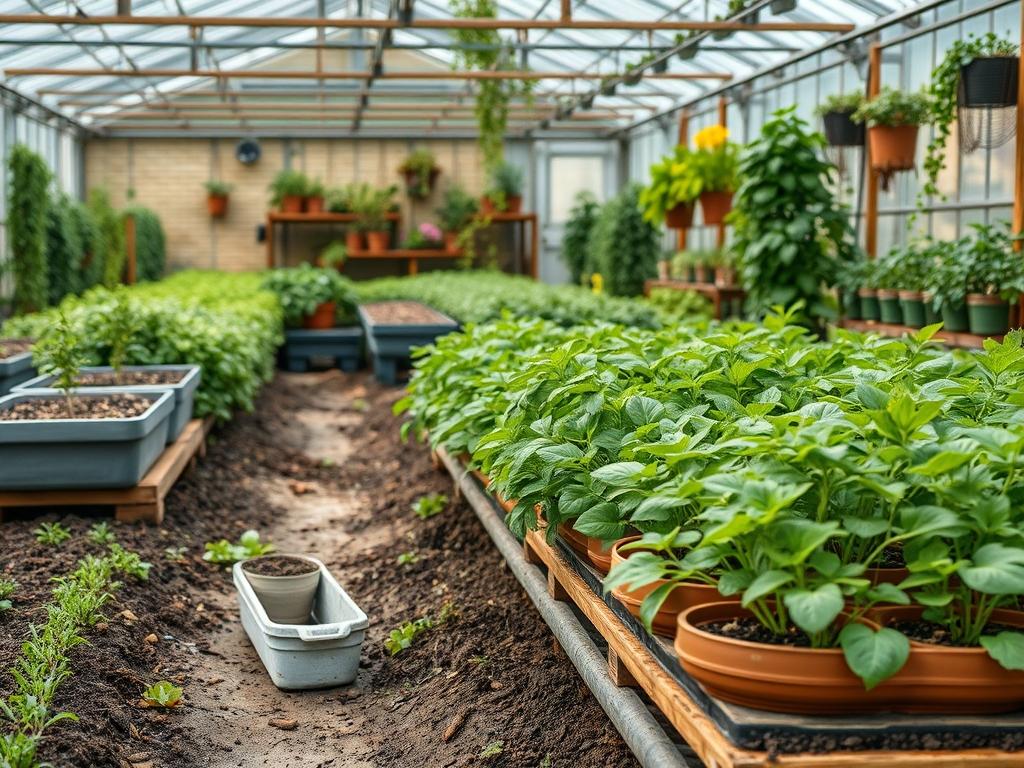
Developing a high performance landscape requires a precise balance between architectural structure and biological vitality. Many designers focus exclusively on the hardscaping and layout while neglecting the underlying soil chemistry that ensures multiyear success. When property owners struggle with stunted growth or yellowing foliage, the issue rarely resides with the design itself, but rather in the lack of bio-available nutrients. Using Alfalfa Meal as a primary growth stimulant offers an organic solution that provides more than just basic nitrogen, phosphorus, and potassium. It introduces Triacontanol, a naturally occurring fatty alcohol that acts as a potent growth regulator, stimulating root development and increasing the chlorophyll content of the leaves. For a landscape architect, integrating this material into the long term maintenance plan is essential for maintaining that crisp, professionally managed aesthetic that clients demand.
The architectural integrity of an outdoor environment depends on the health of its living components. A stagnant garden looks tired and lacks the vibrant contrast necessary to highlight expensive stonework or custom water features. By focusing on soil health at the installation phase, we ensure that the transition from a construction site to a lush sanctuary is seamless. This involves more than just dumping topsoil. It requires an understanding of how organic amendments interact with the local ecology. Using Alfalfa Meal allows for a slow release of nutrients, which prevents the sudden flush of weak growth often caused by synthetic fertilizers. Instead, plants develop stronger cell walls and better resistance to environmental stressors like heat waves or unexpected frosts. This resilience is what separates a professional landscape from a temporary garden.
Landscape Design Principles
Symmetry and balance form the backbone of any professional landscape plan. When a designer places a row of Italian Cypress trees to frame an entryway, the visual success depends on those trees growing at a uniform rate. Using Alfalfa Meal ensures that the soil profile remains consistent across the entire planting bed. Variations in soil quality can lead to uneven growth where one specimen thrives while its counterpart struggles. This creates a visual imbalance that breaks the intended symmetry. Applying a consistent layer of Organic Matter across the site levels the playing field for all plant material.
Focal points are the moments of high drama in a garden. Whether it is a specimen Japanese Maple or a collection of Hybrid Tea Roses, these plants serve as the anchors of the design. To perform their roles, they must exhibit deep color and architectural vigor. Elevation layers also play a critical role here. Designers often use Retaining Walls to create tiers of vegetation. These elevated beds can dry out faster than the surrounding grade. Incorporating Alfalfa Meal into these upper layers helps increase the water holding capacity of the soil, ensuring that the plants at the highest elevations do not suffer from dehydration or nutrient leaching.
Walkways and circulation paths guide the viewer through the space. The transition between hard surfaces and soft vegetation should be intentional. Lush, sprawling groundcovers can soften the edges of a Bluestone path, but only if the soil is rich enough to support a dense mat of foliage. If the soil is compacted or nutrient deficient, these edges look sparse and messy. By prepping the soil along walkways with organic stimulants, we encourage the plants to fill in quickly, creating that established, lived-in feel within the first growing season.
Plant and Material Selection
Selecting the right plant for the right place is the golden rule of landscape architecture. However, even the most appropriate plant will fail if the soil environment is hostile. The following table provides a guide for common landscape plants and how they should be managed when using organic stimulants.
| Plant Type | Sun Exposure | Soil Needs | Water Demand | Growth Speed | Maintenance Level |
| :— | :— | :— | :— | :— | :— |
| Hybrid Tea Rose | Full Sun | Well-drained/Rich | High | Fast | High |
| Perennial Salvia | Full Sun | Sandy Loam | Moderate | Medium | Low |
| Japanese Maple | Partial Shade | Humus-rich | Moderate | Slow | Medium |
| Fescue Turf | Full Sun or Shade | Loamy | High | Fast | Moderate |
| Hydrangea | Partial Shade | Moist/Organic | High | Medium | Moderate |
| Boxwood Hedge | Full Sun or Shade | Well-drained | Moderate | Slow | High |
Implementation Strategy
A successful implementation starts with a clear grading and drainage plan. Before any plants go into the ground, the land must be shaped to move water away from structures and toward designated drainage zones. Once the Grading is complete, focus shifts to the planting beds. I recommend a thorough soil test to determine the baseline pH and nutrient levels. Most urban soils suffer from heavy compaction due to construction equipment. Breaking this up with a Tiller or a Garden Fork is the first step toward a thriving garden.
After the soil is loosened, broadcast Alfalfa Meal at a rate of 5 lbs per 100 square feet. For individual shrubs and trees, mix 1 to 2 cups of the meal directly into the backfill of the planting hole. This places the nutrients exactly where the developing roots can access them. Once the plants are in place, install your Irrigation Drip Lines. Precise watering is crucial because it helps ferment the meal in the soil, releasing the Triacontanol and other beneficial enzymes. Finish the bed with a 3 inch layer of Wood Chip Mulch or Shredded Bark. This mulch preserves moisture and provides a secondary source of organic matter as it decomposes over time.
Edging provides the clean lines that define a professional landscape. Use a Steel Edger to create a deep, vertical cut between the lawn and the planting beds. This prevents grass roots from encroaching on your ornamental plants. It also holds the organic amendments in place during heavy rain. If the site has significant slopes, consider installing Timber Edging or Stone Borders to prevent the Alfalfa Meal and mulch from washing down the hill.
Common Landscaping Failures
The most common failure in high end landscaping is neglecting the subsoil. Designers often spend their entire budget on the “green” parts of the project, leaving nothing for soil preparation. This results in root overcrowding and general decline after the initial warranty period. When roots hit compacted, lifeless clay, they often turn back inward, eventually girdling the plant and killing it. Using organic stimulants helps break up this clay by encouraging earthworm activity and microbial growth.
Improper spacing is another frequent mistake. It is tempting to plant closely for immediate impact, but this leads to competition for nutrients and poor air circulation. Overcrowded plants are more susceptible to fungal diseases and insect infestations. To mitigate this, trust the mature diameter listed for the species. If you must have immediate density, use a balanced fertilizing program to ensure every plant has enough fuel to coexist. Irrigation inefficiencies also plague many gardens. Overwatering can lead to root rot, while underwatering stunts growth. A smart Irrigation Controller paired with organic soil amendments provides a buffer that protects the landscape from human error.
Seasonal Maintenance
Landscape management is a year round commitment. In the Spring, the focus is on activation. As the soil warms, apply a fresh round of Alfalfa Meal to wake up the microbial life. This is also the time to prune any winter damage using Bypass Pruners. Ensure all Sprinkler Heads are functioning correctly and that the Mulch layers are replenished to prep for the coming heat.
During the Summer, the goal is stress management. The high nitrogen and mineral content in the meal helps plants maintain their color even in direct sunlight. If the heat is extreme, a light top dressing can provide a steady supply of energy without burning the roots. Monitor for pests and ensure the Irrigation schedule reflects the current evapotranspiration rate.
In Autumn, the strategy shifts toward root development and winter hardiness. Using Alfalfa Meal in the fall strengthens the root system before the ground freezes. It is also an excellent time for Core Aeration on the lawn. Apply the meal directly into the aeration holes to deliver nutrients deep into the root zone of the Turfgrass.
Winter is about protection and planning. While the plants are dormant, the organic matter in the soil continues to break down slowly. This is the period to service your Power Equipment, clean your Hand Tools, and review the success of the previous season. If certain areas underperformed, analyze the soil drainage and consider more aggressive organic interventions for the following spring.
Professional Landscaping FAQ
How does alfalfa meal improve plant growth?
It contains Triacontanol, a natural growth stimulant that increases photosynthesis. It also provides a balanced NPK ratio and improves soil tilth, encouraging stronger root development and better nutrient uptake for all landscape varieties.
Can I use alfalfa meal on my lawn?
Yes. It is an excellent organic fertilizer for Fescue or Kentucky Bluegrass. Apply it at a rate of 20 lbs per 1,000 square feet in early spring to encourage a deep green color without excessive top growth.
Is it safe for pets and wildlife?
Alfalfa meal is generally safe as it is a plant based product. However, some dogs are attracted to the scent and may try to eat it. It is best to incorporate it into the soil and water it in thoroughly.
How often should I apply organic stimulants?
For residential landscapes, a bi-annual application is usually sufficient. Apply once in the early spring to jumpstart growth and once in the early autumn to support root health and winter dormancy preparation.
Will it affect the soil pH?
Alfalfa meal is slightly acidic but generally has a neutral effect on the overall soil pH. It is safe for both acid loving plants like Azaleas and neutral soil plants like Perennial Grasses, making it very versatile.