
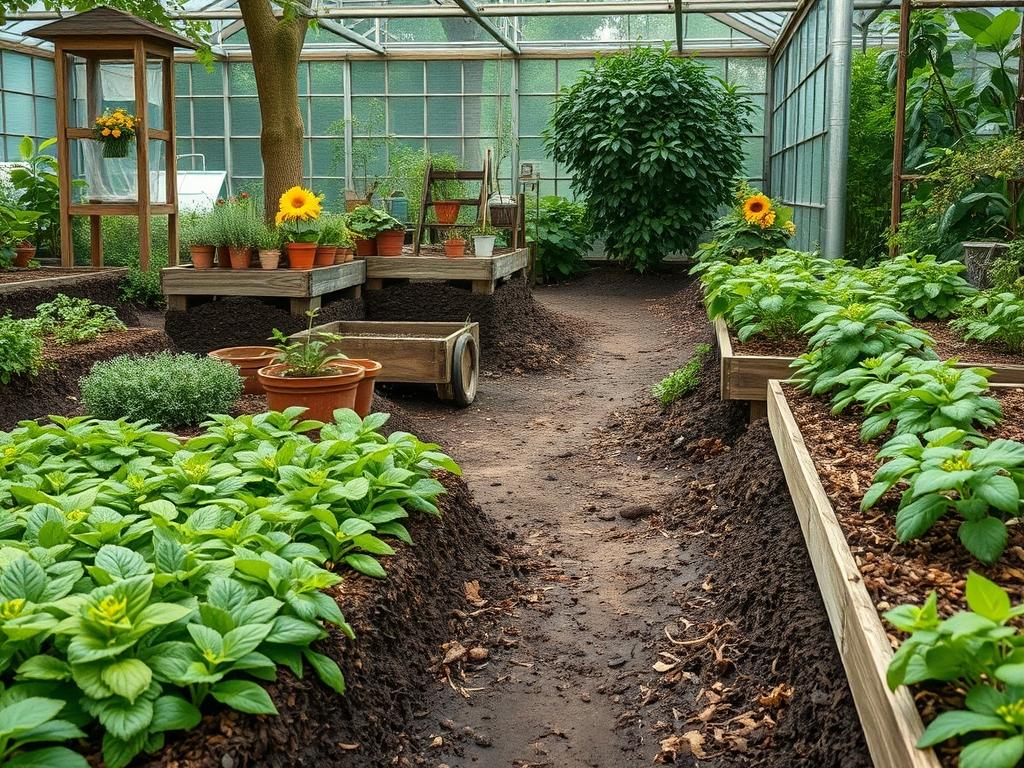
Sustainable landscape design focuses on the delicate balance between aesthetic appeal and ecological health. While many homeowners view the addition of organic ground cover as a purely cosmetic choice, a professional landscape architect sees it as a critical functional component of any outdoor environment. Wood chip mulch serves several vital roles: it regulates soil temperature, retains essential moisture for root systems, and suppresses opportunistic weed growth. However, this organic layer also introduces a complex biological environment that can attract various wood chip mulch pests. Managing these inhabitants requires an understanding of how site conditions, such as irrigation frequency and soil drainage, influence the arrival of termites, carpenter ants, and moisture-loving beetles. Achieving significant curb appeal and site functionality depends on our ability to utilize these materials without compromising the structural integrity of the adjacent architecture or the health of the plant palette.
Landscape Design Principles
Successful landscaping relies on a foundation of structural hierarchy and visual balance. When we plan a site, we look at the interaction between hardscape elements like Paver Patios or Natural Stone Retaining Walls and the softscape elements that fill the voids. Symmetry often plays a role in formal entryways, where uniform mulch beds provide a clean, neutral background for specimen plants. Focal points, perhaps a Japanese Maple or a tiered fountain, gain much of their visual impact from the surrounding textures. By using wood chips, we create a unified canvas that ties together disparate garden beds, but this must be done with an eye toward elevation layers.
Lower ground covers should transition smoothly into mid-sized shrubs, which finally give way to the verticality of structural trees. Irrigation planning is also inseparable from design; the placement of Drip Emitters beneath the mulch layer prevents excessive surface moisture that would otherwise invite wood chip mulch pests. Walkways should be clearly defined to keep foot traffic off the sensitive root zones within the mulch. When visual balance is achieved, the eye moves effortlessly from the hard lines of the house to the organic curves of the garden, creating a sense of order and serenity that many modern outdoor living spaces demand.
Plant and Material Selection
Choosing the right combination of organisms and substrates is the difference between a high-maintenance headache and a thriving ecosystem. Certain plants require specific drainage profiles that dictate which type of mulch is most appropriate.
| Plant Type | Sun Exposure | Soil Needs | Water Demand | Growth Speed | Maintenance Level |
| :— | :— | :— | :— | :— | :— |
| English Lavender | Full Sun | Well-drained, Sandy | Low | Medium | Low |
| Winter Gem Boxwood | Full to Partial | Loamy, Rich | Medium | Slow | Moderate |
| Purple Coneflower | Full Sun | Diverse, Well-drained | Low | Fast | Low |
| Hosta | Shade | Moist, Fertile | Medium | Medium | Low |
| American Holly | Full to Partial | Acidic, Well-drained | Medium | Slow | Low |
| Panicle Hydrangea | Full to Partial | Moist, Rich | High | Fast | Moderate |
Implementation Strategy
Creating a professional garden layout begins with thorough site preparation. First, the professional must address the Grading of the soil. The land should slope away from the primary structure at a rate of at least one inch per linear foot for the first 10 feet. This prevents water from pooling near the foundation, which is the primary driver for infestations of wood chip mulch pests. Once the grade is established, define the garden edges using a Half-Moon Edger or a Power Edger. This creates a crisp vertical cut that holds the mulch in place and prevents turf grass from encroaching into the beds.
For the application of the mulch itself, depth is critical. A layer of 2 to 3 inches is ideal for most ornamental beds. Any thinner and the weeds will break through; any thicker and you risk creating an anaerobic environment that rots plant stems and provides deep, moist tunnels for pests like earwigs and sowbugs. If you are near the house, maintain a 6 to 12 inch “dry zone” where no organic mulch is used. Instead, use a thin border of River Rock or Pea Gravel. This creates a physical barrier that subterranean termites cannot easily cross without exposure. When installing plants, always ensure the Root Flare of trees and shrubs is visible. Covering the bark with mulch is a common error that leads to fungal infections and insect entry points. Use a Steel Rake to level the surface, ensuring the coverage is uniform and aesthetically pleasing.
Common Landscaping Failures
The most frequent error in residential landscaping is the creation of mulch volcanoes. This occurs when mulch is piled high against the trunks of trees. This practice traps moisture against the bark, causing tissue decay and inviting wood chip mulch pests such as borers to enter the weakened tree. Another failure is a complete lack of irrigation efficiency. Many homeowners rely on overhead sprinklers that saturate the surface of the mulch but fail to reach the roots deeply. This surface saturation is exactly what creates a breeding ground for roaches and ants.
Soil compaction is another silent killer of landscape health. When heavy machinery is used during construction without proper soil remediation afterward, the ground becomes impenetrable. Water sits on top of the soil, keeping the mulch soggy for days and attracting fungus gnats and springtails. Furthermore, root overcrowding occurs when plants are spaced based on their size at the time of purchase rather than their size at maturity. As plants grow into one another, air circulation decreases, creating a stagnant, humid microclimate where pests can flourish undisturbed by natural predators or wind.
Seasonal Maintenance
Landscape management is a year-round commitment that changes with the local climate. In the spring, the primary goal is a total refresh. This involves removing any old, matted mulch that has developed a hydrophobic layer known as mycelium. Use a Garden Fork to fluff the existing material before adding a thin top-dressing of new Shredded Bark. This introduces fresh nutrients and improves the aesthetic sharpness of the beds as new growth emerges.
Summer maintenance focuses on hydration and pest monitoring. During heatwaves, check the moisture levels beneath the mulch layer weekly. If the mulch feels excessively dry, it can actually pull moisture away from the soil, but if it is constantly soaked, you must adjust your Irrigation Controller. Autumn is the time for cleanup. Remove fallen leaves that have accumulated on top of the wood chips, as this extra organic layer can create a thick mat that smothers spring bulbs and provides winter housing for rodents. Finally, in the winter, the landscape consultant should inspect the site for any signs of erosion or mulch displacement caused by heavy rains or snowmelt. Keeping a clean line between the mulch and the home foundation is most important during these dormant months when wood chip mulch pests may seek the warmth of the interior.
Professional Landscaping FAQ
How can I identify wood chip mulch pests early?
Look for small holes in the mulch surface, visible tracking lines near the foundation, or an unusual abundance of birds pecking at the ground. Check under the top layer of Bark Chips for damp, congregating insects like earwigs or ants.
Does specific wood type affect pest attraction?
Yes, certain woods are more resistant. Cedar Mulch and Cypress Mulch contain natural resins and oils that repel many common insects. In contrast, cheap, undifferentiated “hardwood” mulch often breaks down faster and becomes a more attractive food source for termites.
Should I use landscape fabric under my wood chips?
Landscape fabric is generally discouraged in high-end permanent beds. It prevents organic matter from integrating with the soil and can trap moisture directly against the ground, which encourages fungal growth and provides a protected habitat for various Soil Pests.
How do I stop mulch from washing away?
Ensure the bed has a defined edge at least 3 inches deep. For sloped areas, use a shredded mulch rather than large chips, as the shredded fibers interlock to form a stable mat that resists movement during heavy rainfall events.
Will mulch attract termites to my house structural wood?
Piles of wood chips do not spontaneously create termites, but they provide a bridge and a moist environment that makes it easier for them to reach your home. Keep mulch 12 inches away from any structural wood or siding.