
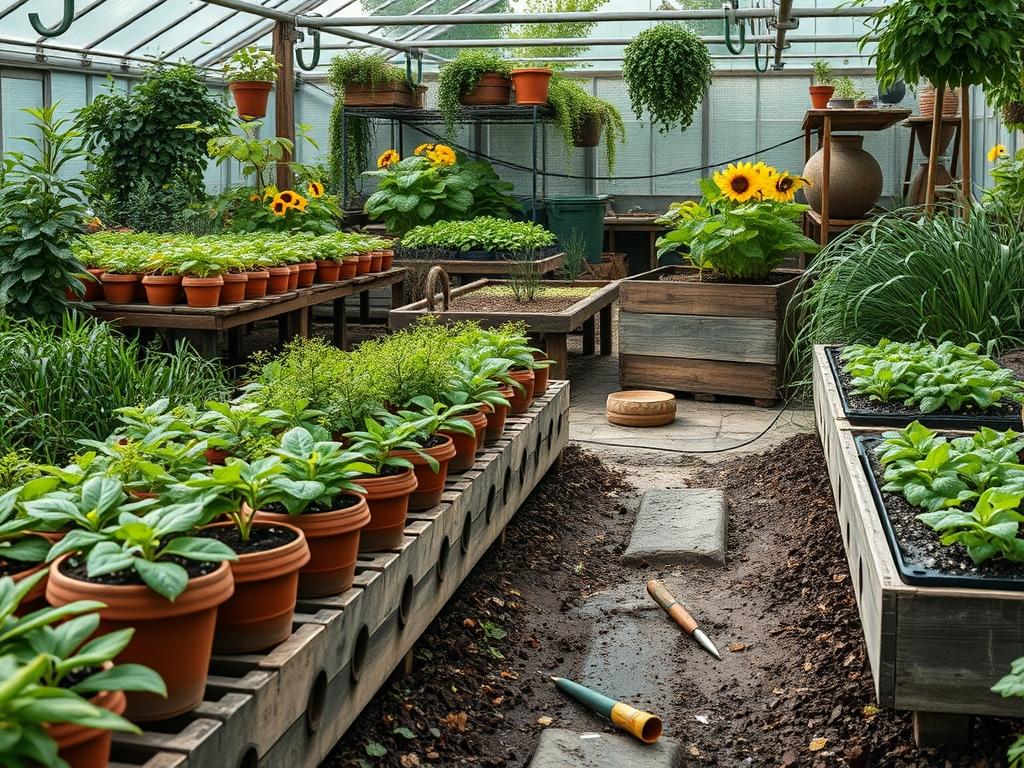
Successful landscape architecture begins long before the first stone is laid or the first shrub is planted. It starts with the invisible foundation of the site, the soil chemistry and structure that dictate whether a design flourishes or fades. Many homeowners and developers focus exclusively on the visual elements of curb appeal, such as the color palette of perennials or the geometry of a flagstone path. However, professional consultants recognize that high-performing outdoor environments require a proactive approach to soil mineralogy. Using Greensand for soil health is one of the most effective, long-term strategies for Ensuring that expensive botanical investments stay vibrant across changing seasons and varied climate conditions. For any project aiming for sustainability and structural integrity, the inclusion of organic soil conditioners is not an option; it is a technical requirement.
Greensand, technically known as Glauconite, is a sedimentary mineral mined from ancient marine deposits. It possesses a unique ability to bridge the gap between hardscape functionality and softscape vitality. In regions where heavy clay prevents proper drainage or where sandy soils allow nutrients to leach away too quickly, this material acts as a stabilizing agent. A well-designed landscape must manage the movement of water and the availability of nutrients simultaneously. When we incorporate this mineral into the planting plan, we are essentially building a reservoir of potassium, iron, and over 30 trace minerals that release slowly over several years. This slow-release mechanism is vital for maintaining the deep green hues required for high-end curb appeal while ensuring that the root systems of Oak trees or Boxwood hedges remain resilient against the stressors of urban heat islands and fluctuating precipitation.
The functionality of an outdoor living space is often measured by its ability to provide a lush, inviting backdrop for recreation and relaxation. If the soil is compacted or nutrient-deficient, even the most expensive irrigation system cannot prevent plant chlorosis or stunted growth. Using Greensand for soil conditioning allows a landscape architect to manipulate the physical properties of the earth without the aggressive chemical intervention that can harm local ecosystems. By improving the cation exchange capacity of the ground, we ensure that the fertilizer applied during regular maintenance is actually absorbed by the plants rather than running off into storm drains. This technical foresight reduces long-term maintenance costs and preserves the aesthetic intent of the original design for decades.
Landscape Design Principles
Effective landscape design relies on a balance of symmetry and focal points to guide the eye and create a sense of order. When planning a large estate or a compact urban garden, we use elevation layers to create depth. These layers usually consist of a canopy, an understory, and a ground cover. For these layers to appear cohesive, the soil must be uniform in its productive capacity. Using Greensand for soil consistency ensures that a row of Hicks Yew planted for privacy will grow at an identical rate, preserving the intended architectural symmetry of the hedge.
Visual balance is also achieved through the contrast of textures. The soft, billowy texture of Ornamental Grasses provides a counterpoint to the rigid lines of retaining walls and paver walkways. However, texture is not just a visual attribute; it is a physical one. Integrating mineral amendments into the soil structure prevents the “bathtub effect” where water sits in planting holes, leading to root rot. We plan our focal points around the health of specimen plants. If a primary focal point, such as a Japanese Maple, suffers from nutrient lock-out due to poor soil pH or lack of minerals, the entire design logic collapses. Therefore, we treat soil preparation as the first phase of the structural build, similar to the grading of a sub-base for a driveway.
Plant and Material Selection
Selecting the right biological components requires an understanding of how different species interact with mineral-rich environments. The following table provides a guide for common plants used in professional designs where soil conditioning is a priority.
| Plant Type | Sun Exposure | Soil Needs | Water Demand | Growth Speed | Maintenance Level |
| :— | :— | :— | :— | :— | :— |
| English Lavender | Full Sun | Sandy/Well-Drained | Low | Moderate | Low |
| Japanese Maple | Partial Shade | Loamy/Mineral Rich | Moderate | Slow | Medium |
| Dwarf Boxwood | Full to Part Sun | Neutral/Well-Drained | Moderate | Slow | High |
| Switchgrass | Full Sun | Adaptable/Stable | Low | Fast | Low |
| Hydrangea Macrophylla | Partial Shade | High Organic Matter | High | Moderate | Medium |
| River Birch | Full Sun | Moist/Acidic | High | Fast | Medium |
Implementation Strategy
The transition from a design blue print to a physical garden requires a meticulous implementation strategy. The first step involves professional grading to ensure that water moves away from the home foundation and toward designated drainage zones or rain gardens. Once the rough grade is established, we begin the soil amendment process. Using Greensand for soil improvement at this stage involves spreading the material at a rate of 50 pounds per 1,000 square feet, depending on initial soil tests. This is tilled into the top 6 inches of the soil horizon to ensure it reaches the primary root zones of new arrivals.
After the soil is conditioned, we install the hardscape elements, such as edging and walkways. These define the borders of the planting beds. When placing the plants, we ensure that the root balls are set slightly above the surrounding grade to account for settling. Following the installation of the plants, a layer of organic mulch is applied at a depth of 2 to 3 inches. This mulch works in tandem with the Greensand; while the mulch breaks down into organic matter, the Greensand provides the inorganic mineral stabilizers that prevent the soil from becoming overly acidic or compacted under the weight of the mulch.
Common Landscaping Failures
The most frequent failures in professional landscaping are rarely aesthetic; they are foundational. Drainage mistakes represent the largest percentage of post-installation issues. When a site is not properly graded, or when heavy clay soil is not amended with minerals like Greensand, water pools around the root collars of expensive specimens. This leads to anaerobic conditions that kill even the hardiest native plants. Furthermore, soil compaction from heavy machinery during the construction phase often goes unaddressed. Without the structural loosening provided by mineral conditioners, roots cannot penetrate the earth, leading to “pot-bound” plants that eventually topple in high winds.
Root overcrowding and improper spacing are the results of short-term thinking. While a dense planting looks good on day one, it leads to resource competition within three years. If the soil lacks a deep reserve of minerals, the plants will begin to die back from the center. Using Greensand for soil helps mitigate this by providing a steady supply of potassium, which strengthens the cellular walls of the plants, allowing them to better handle the stress of close proximity. Finally, irrigation inefficiencies often result from soil that either drains too fast or not at all. A balanced soil structure, supported by glauconite, holds just enough moisture to sustain the plant without drowning it.
Seasonal Maintenance
Landscape management is a year-round commitment. In the spring, the focus is on “awakening” the garden. This is the ideal time for a secondary application of Greensand, especially in high-traffic areas where winter snow and salt may have depleted the soil. We inspect the irrigation lines for leaks and clear any debris from the drainage grates. As we move into summer, moisture management becomes the priority. The iron content in Greensand helps lawn grasses and shrubs maintain their deep green color even under the stress of high ultraviolet exposure.
Autumn is the season for structural repair and preparation for dormancy. We apply a final round of mulch to protect root systems from the upcoming freeze-thaw cycles. This is also the best time to plant new deciduous trees, as the cooler air and warm soil encourage root growth. In winter, the landscape consultant’s job shifts to monitoring. We check for “frost heave,” where the soil pushes plants out of the ground. Soils that have been properly amended with mineral conditioners are less prone to this issue because they maintain a more consistent internal structure and drainage capacity throughout the cold months.
Professional Landscaping FAQ
How often should I apply Greensand to my garden?
For most professional landscapes, a single application every two to three years is sufficient. Because it is a slow-release mineral, it does not leach away like synthetic nitrogen, providing long-term benefits to the soil structure and plant health.
Can Greensand replace traditional fertilizers?
It serves as a supplement rather than a complete replacement. While it provides essential potassium and trace minerals, you may still need organic nitrogen sources for leafy growth. It acts as a permanent soil conditioner that improves fertilizer efficiency.
Is it safe for use around pets and children?
Yes, Greensand is a naturally occurring mineral harvested from ancient sea beds. It contains no synthetic chemicals or harmful toxins, making it an excellent choice for family-friendly outdoor living spaces and high-traffic residential areas.
How does Greensand improve heavy clay soil?
The granular structure of the mineral helps to break up tight clay particles. This creates micro-channels for air and water to reach the roots, significantly reducing compaction and improving the overall drainage of the landscape beds.
Will it change the pH of my soil?
Greensand stays relatively neutral and has a minimal impact on soil pH. This makes it a versatile tool for landscape architects who need to improve soil texture without disrupting the specific acidity levels required for plants like Azaleas or Blueberries.