
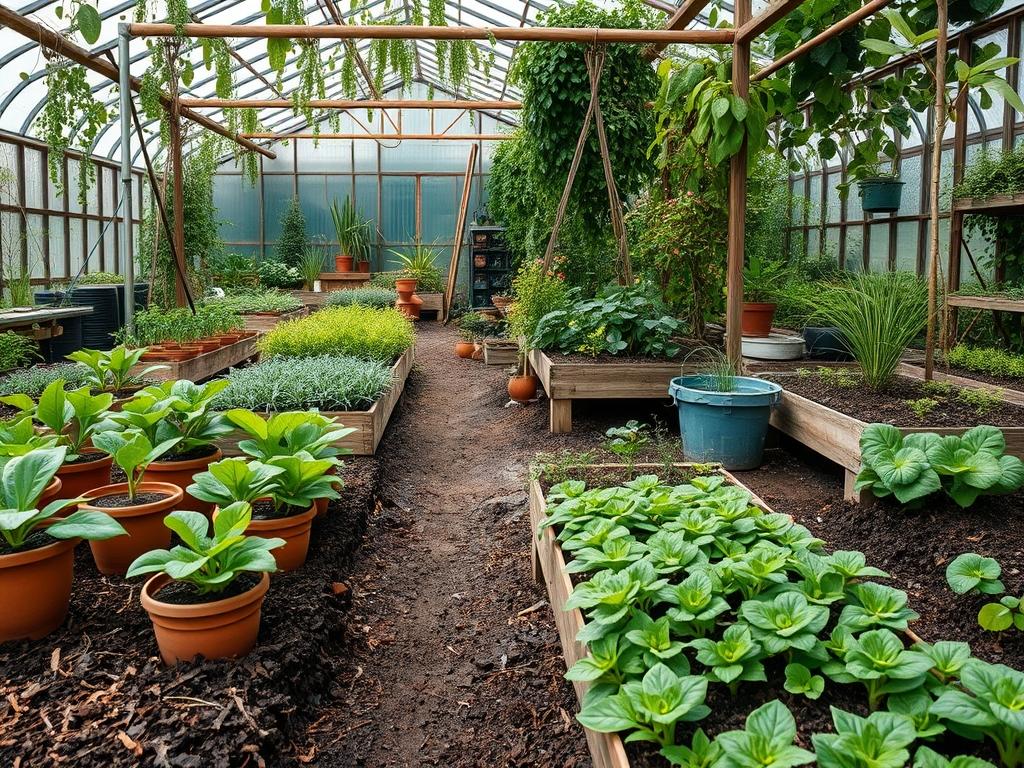
True landscape architecture transcends the simple arrangement of flora; it is the deliberate engineering of a living ecosystem. The primary challenge facing modern outdoor environment design is the systemic degradation of site soil through construction compaction, synthetic chemical dependency, and aggressive grading. For the landscape architect or dedicated property owner, achieving high curb appeal while managing shifting climate patterns requires a transition toward Regenerative Soil Practices. By shifting our focus toward the biological health of the ground beneath our feet, we address multiple structural problems simultaneously. We improve site drainage, enhance the thermal regulation of the outdoor living space, and significantly increase the longevity of high value botanical specimens. Curb appeal ceases to become a fleeting facade that requires constant intervention; instead, it becomes a self-sustaining asset that matures in beauty and value over decades. When we prioritize the soil, we ensure that every retaining wall, paver walkway, and irrigation system serves a landscape that is vibrant, resilient, and functionally superior.
Landscape Design Principles
Successful garden planning begins with the marriage of aesthetic symmetry and ecological logic. Visual balance is often the first casualty of poor soil health. When soil quality is inconsistent across a site, a mirrored planting of Boxwoods may result in one side flourishing while the other languishes; this destroys the intended architectural symmetry. Formal landscape design must therefore account for the subterranean conditions before the first shovel enters the ground. By establishing clear focal points through the use of specimen trees or structural hardscaping, we create a framework where the eye can rest, but these features must be supported by a hidden network of organic vitality.
Elevation layers play a critical role in both the visual and functional aspects of the site. High quality design utilizes retaining walls and tiered planters to create depth and interest. However, these structures must be integrated with sophisticated drainage planning. Regenerative practices dictate that water should be treated as a resource to be harvested rather than a waste product to be diverted. Incorporating bioswales and rain gardens at the base of slopes allows for natural water percolation. This recharges the local water table and prevents the erosion of expensive mulch layers. Furthermore, the use of permeable pavers for walkways ensures that oxygen and moisture can reach the roots of nearby plants, preventing the “island effect” where trees are suffocated by surrounding concrete.
Visual balance is further achieved through the careful layering of textures. By mixing coarse-textured native grasses with fine-foliaged perennials, the architect creates a sense of movement. In a regenerative system, this layering also serves a biological purpose. High-density planting shadows the soil, which reduces evaporation rates and suppresses weed germination without the need for chemical herbicides. This approach mimics natural forest floors, where every inch of space is utilized to create a protective canopy for the microbial life within the loam.
Plant and Material Selection
| Plant Type | Sun Exposure | Soil Needs | Water Demand | Growth Speed | Maintenance Level |
| :— | :— | :— | :— | :— | :— |
| White Clover | Full Sun to Part Shade | Poor to Average | Moderate | Fast | Very Low |
| Switchgrass | Full Sun | Deep Sandy Loam | Low | Fast | Low |
| Comfrey | Part Shade | Rich Organic Matter | Moderate | Medium | Medium |
| Echinacea | Full Sun | Well-Drained | Low | Medium | Low |
| White Oak | Full Sun | Deep Clay or Silt | Low (once established) | Slow | Low |
| Lavender | Full Sun | Gritty Sand | Very Low | Medium | Medium |
| Serviceberry | Full Sun to Part Shade | Moist Loam | Moderate | Medium | Low |
Implementation Strategy
The transition to a regenerative landscape requires a strategic, phased approach that prioritizes soil biology over traditional cosmetic quick-fixes. The process begins with a comprehensive site assessment. Use a soil probe to extract samples from at least ten different locations across the property to test for pH, nutrient levels, and compaction depth. Typically, a pH level of 6.5 is the target for most ornamental landscapes. If the soil is heavily compacted from construction machinery, the remedy is not high speed tilling, which destroys beneficial fungal networks; instead, we utilize a broadfork to aerate the ground without inverting the layers.
Once the substrate is prepared, the layout of hardscaping must be finalized. All irrigation lines and drainage pipes should be installed with a minimum 2 percent slope to ensure consistent gravity-fed flow. For the planting beds, we employ the “sheet mulching” technique. This involves laying down a layer of plain brown cardboard to suppress existing weeds, followed by 3 inches of high quality compost and 4 inches of arborist wood chips. This layered approach creates an ideal environment for mycorrhizal fungi, which form symbiotic relationships with plant roots to transport water and nutrients more efficiently than the roots can on their own.
When placing trees and shrubs, the planting hole should be at least twice as wide as the root ball but no deeper. This prevents the plant from settling too deep and suffocating the root flare. After the plants are in the ground, a final application of liquid seaweed or compost tea can help settle the soil and provide an immediate boost of micronutrients. For large lawn areas, consider overseeding with micro-clover. This nitrogen-fixing plant pulls fertilizer from the air and deposits it into the soil, reducing the need for synthetic nitrogen by up to seventy-five percent.
Common Landscaping Failures
The most frequent failure in high-end landscaping is the misapplication of irrigation. Many homeowners overwater, leading to anaerobic soil conditions where roots essentially drown. Overactive sprinkler heads create a shallow root system, making plants highly vulnerable to heat stress during mid-summer. Regenerative Soil Practices advocate for deep, infrequent watering cycles that encourage roots to seek moisture deeper in the subsoil. This creates a more resilient landscape that can withstand drought conditions.
Another critical error is the “mulch volcano,” where workers pile shredded bark high against the trunks of trees. This traps moisture against the bark, leading to fungal rot and providing a sanctuary for girdling insects. A proper mulch layer should never touch the trunk; it should be kept at least 3 inches away from the base of the plant. Furthermore, the reliance on high-nitrogen synthetic fertilizers often leads to a “salt build-up” in the soil. These salts kill the beneficial bacteria and worms that naturally aerate the ground, eventually leading to severe soil compaction. Once the soil is compacted, water cannot penetrate the surface, leading to runoff and wasted resources. Professionals must recognize that soil is not a sterile medium for holding plants upright, but a living tissue that requires respiration and biological diversity.
Seasonal Maintenance
Winter management focuses on protection and planning. This is the ideal time to apply a thin layer of rock dust or glacial meal to replenish trace minerals. Avoid heavy foot traffic on frozen garden beds, as this can cause permanent structural damage to the soil aggregates. Use this season to prune deciduous trees with sharp bypass pruners while the plants are dormant, which reduces the risk of disease transmission.
As spring arrives, the focus shifts to biological activation. Once the soil temperature reaches 55 degrees Fahrenheit, apply a fresh layer of organic compost. This is also the time to test your irrigation system for leaks or clogged emitters. If you use cover crops like Winter Rye, mow them down before they go to seed to incorporate that green manure back into the topsoil.
Summer maintenance is primarily about moisture retention and heat mitigation. Ensure that your mulch levels are maintained at a minimum of 3 inches to keep the soil temperature cool. If you notice signs of stress, such as leaf curl or wilting, apply a foliar spray of compost tea in the early morning. This provides nutrients without the risk of burning the foliage that comes with synthetic salts.
Autumn is perhaps the most important season for regenerative practices. Rather than bagging fallen leaves, use a mulching mower to shred them and leave them on the lawn or in the garden beds. These leaves are a primary food source for earthworms and beneficial microbes. This “closing of the loop” mimics natural forest cycles and ensures the soil is fed throughout the winter months.
Professional Landscaping FAQ
How does regenerative soil impact curb appeal?
Healthy soil produces plants with deeper colors, denser foliage, and more prolific blooms. By reducing plant stress, you minimize the “patchy” look of struggling gardens, ensuring a lush and consistent aesthetic that looks beautiful throughout every season of the year.
What is the best mulch for soil health?
Arborist wood chips are superior because they contain a mix of wood, bark, and leaves. This variety provides a diverse diet for soil microbes. Unlike dyed decorative mulches, arborist chips break down into rich humus over time, improving soil structure.
Is tilling necessary for a new garden?
Tilling is generally discouraged in regenerative systems. It destroys the fungal hyphae and soil structure, leading to future compaction. Instead, use a broadfork to gently loosen the earth or employ sheet mulching to build new soil on top of the existing grade.
How often should I test my soil?
A professional soil test should be conducted every two to three years. This allows you to monitor changes in organic matter percentages and nutrient availability. Consistent testing prevents the accidental over-application of amendments, which can lead to nutrient imbalances and runoff.
Can I use regenerative practices on a slope?
Yes, and it is highly recommended. By using deep-rooted native plants and terracing, you can stabilize the soil and prevent erosion. Regenerative practices increase the soil’s water holding capacity, which significantly reduces the speed and volume of runoff during heavy rains.