
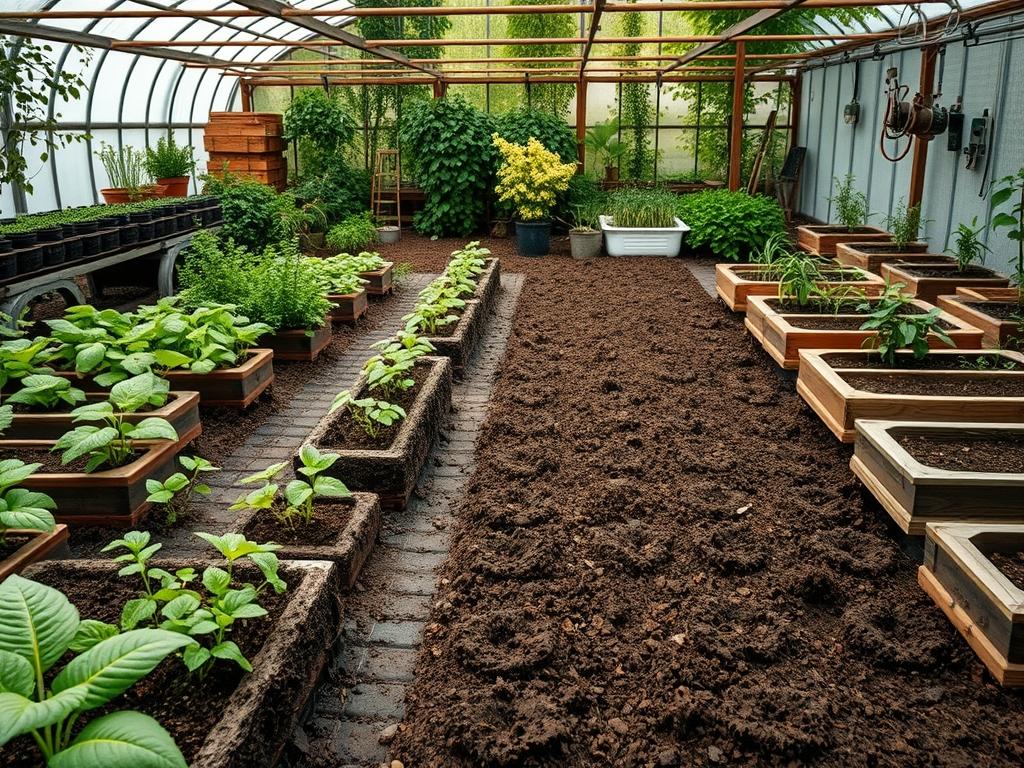
The decision between deep tilling and no-till practices represents one of the most significant choices in modern landscape architecture. It is a choice that dictates not only the short term aesthetic of the property but also the long term ecological health and structural stability of the terrain. When preparing a site for high end residential or commercial development, the soil serves as the literal and figurative foundation. Whether aiming for the crisp lines of a formal French garden or the sweeping, organic curves of a meadow landscape, the method of soil preparation influences everything from drainage efficiency to the longevity of expensive specimen trees. Climate considerations play a major role; in regions with heavy clay, tilling might seem like a quick fix for compaction, yet it often leads to a hardpan layer that traps water. Conversely, the no-till approach, championed for its ability to preserve complex mycorrhizal networks, demands patience and a greater upfront investment in organic amendments like leaf mold and compost.
Landscaping is more than just placing plants in the ground; it is about creating an outdoor living space that enhances curb appeal while remaining functional and sustainable. Deep tilling, the process of using a rototiller to turn over soil to a depth of 8 to 12 inches, offers immediate satisfaction by creates a soft, uniform planting bed. However, the senior consultant must weigh this against the structural disruption it causes. No-till gardening, which involves layering organic matter on top of the soil and allowing natural decomposition to do the work, preserves the soil’s natural horizons. For a professional landscape, the choice between these two affects how irrigation systems are buried, how retaining walls are anchored, and how drainage swales are graded. If the soil structure fails, the entire design fails.
Landscape Design Principles
Successful garden planning relies on foundational design principles such as symmetry, focal points, and elevation layers. When we analyze the debate through a design lens, the soil preparation method impacts the visual balance of the site. A tilled garden allows for instant regrading and the creation of perfectly level surfaces, which are essential for formal symmetrical designs. If the goal is a sleek, modern aesthetic with sharp steel edging and uniform plant heights, tilling provides the control required to manipulate the topography at the outset. It allows the designer to incorporate sand or perlite deeply into the profile to ensure that focal point specimens, such as a Japanese Maple, have the loose medium they need for rapid root expansion.
However, no-till practices often support better elevation layering over the long term. By adding layers of wood chips, compost, and straw, the designer gradually builds the height of the beds. This natural elevation gain creates a sense of depth and relief that feels more integrated with the natural environment. Walkways and paths must be planned with these layers in mind to prevent the soil from spilling over onto pavers. When planning irrigation lines, a no-till system requires the designer to install pipes deeper or move them to the perimeter to avoid disturbance when new layers are added. Visual balance in a no-till system is achieved through the accumulation of biomass, producing a lushness that tilled beds, which often suffer from nutrient leaching and rapid moisture loss, struggle to maintain.
Plant and Material Selection
The following table provides a professional guide for selecting species and materials based on the chosen soil management strategy.
| Plant Type | Sun Exposure | Soil Needs | Water Demand | Growth Speed | Maintenance Level |
| :— | :— | :— | :— | :— | :— |
| Boxwood Shrub | Full Sun / Part Shade | Well-Drained | Moderate | Slow | Medium |
| Purple Coneflower | Full Sun | Loamy / No-Till | Low | Medium | Low |
| Lavender | Full Sun | Sandy / Well-Drained | Very Low | Medium | High |
| Hostas | Shade | High Organic Matter | High | Fast | Low |
| Arborvitae | Full Sun | Moist / Deep Soil | Moderate | Fast | Medium |
| Fescue Turf | Full Sun / Shade | Aerated / Tilled | Moderate | Fast | High |
Implementation Strategy
Implementing a professional landscape requires a precise, phased approach. To start, the site must be surveyed for existing drainage patterns. If a deep till strategy is chosen, the first step is to clear the area of large rocks and debris. Use a heavy duty rear tine tiller to break the ground, ensuring the blades reach at least 10 inches. After the initial pass, incorporate organic fertilizers and soil conditioners. Once the soil is fluffed, it must be leveled using a landscape rake to prevent water pooling. Next, install edging materials and lay out the irrigation zones using 1/2 inch drip tubing or pop-up spray heads.
For a no-till implementation, the strategy shifts toward “sheet mulching.” Start by mowing any existing vegetation to the ground. Cover the area with cardboard or thick newspaper to suppress weeds. On top of this base, apply 4 inches of high quality composts, followed by 2 inches of arborist wood chips or shredded bark. When it is time to plant, do not turn the soil. Instead, use a narrow transplanting spade to cut a small hole through the mulch and cardboard, placing the plant root ball directly into the soil below. This protects the macro-pores and prevents the dormant weed seeds in the lower soil layers from being brought to the surface.
Common Landscaping Failures
The most frequent failures in professional landscaping often stem from a misunderstanding of soil physics. In tilled systems, the most common mistake is creating “bathtub” drainage. This occurs when a hole is tilled in heavy clay and filled with loose organic soil; the transition between the loose soil and the hard clay creates a pocket where water sits, eventually leading to root rot. Another failure is soil compaction caused by tilling when the ground is too wet. This destroys the soil’s structure, turning it into hard, concrete-like clods once it dries.
In no-till systems, the primary failure is improper mulch depth. If the mulch is too thin, weeds will penetrate the barrier, making the garden look unkempt and reducing curb appeal. Conversely, if mulch is piled too high against the trunks of trees, a phenomenon known as “mulch volcanoes,” it can trap moisture against the bark and invite fungal pathogens and pests. Furthermore, many contractors fail to account for the nitrogen tie-up that occurs when fresh, uncomposted wood chips are mixed into the soil surface, leading to yellowing, stunted plant growth.
Seasonal Maintenance
Landscape management is a year round commitment that changes with the seasons.
Spring: This is the season for assessment and preparation. For tilled beds, perform a light surface scuffle with a hand hoe to disrupt early weed germination. For no-till areas, top dress the beds with a fresh 1 inch layer of screened compost. Check all irrigation valves and clean out any clogged emitters.
Summer: Focus shifts to moisture retention. Maintain a consistent 3 inch layer of mulch to cool the soil. Monitor high demand plants for signs of heat stress. In tilled gardens, you may need to increase water frequency as the soil dries out faster than undisturbed ground.
Autumn: This is the time for soil building. In no-till landscapes, allow fallen leaves to remain in the beds to serve as a natural winter mulch. For tilled areas, this is the ideal window to sow cover crops like clover or winter rye to prevent erosion and nutrient runoff during the dormant season.
Winter: Focus on structural maintenance. Prune deciduous trees and shrubs using bypass loppers. Clear debris from drainage grates and catch basins. If the ground is not frozen, winter is an excellent time to plan and install hardscaping elements like stone paths or fire pits without disturbing active plant growth.
Professional Landscaping FAQ
Which method is better for heavy clay soils?
No-till is generally superior for heavy clay. It encourages earthworm activity and root penetration, which naturally aerates the soil over time. Tilling clay often results in a compacted “hardpan” layer that severely restricts drainage and root development.
Will tilling help eliminate my weed problem permanently?
No, tilling often makes weed problems worse. It brings thousands of dormant weed seeds to the surface where they find the light and oxygen needed to germinate. No-till uses mulch to smother these seeds, significantly reducing long term weeding labor.
How deep should my mulch layer be for no-till?
For effective weed suppression and moisture retention, aim for a depth of 3 to 4 inches. Avoid piling mulch directly against plant stems. Replenish the layer annually as the organic matter decomposes and enriches the soil below.
Can I switch from a tilled garden to a no-till garden?
Yes, the transition is straightforward. Simply stop tilling and begin applying thick layers of organic matter. It may take two or three seasons for the soil biology to fully recover, but plant health and soil structure will improve annually thereafter.
Does tilling affect the lifespan of my wooden garden structures?
Directly, no, but indirectly, it can. Tilled soil is more prone to settling and erosion, which can undermine the stability of fence posts or pergola footings. No-till soil remains more stable, providing a firmer foundation for nearby architectural elements.