
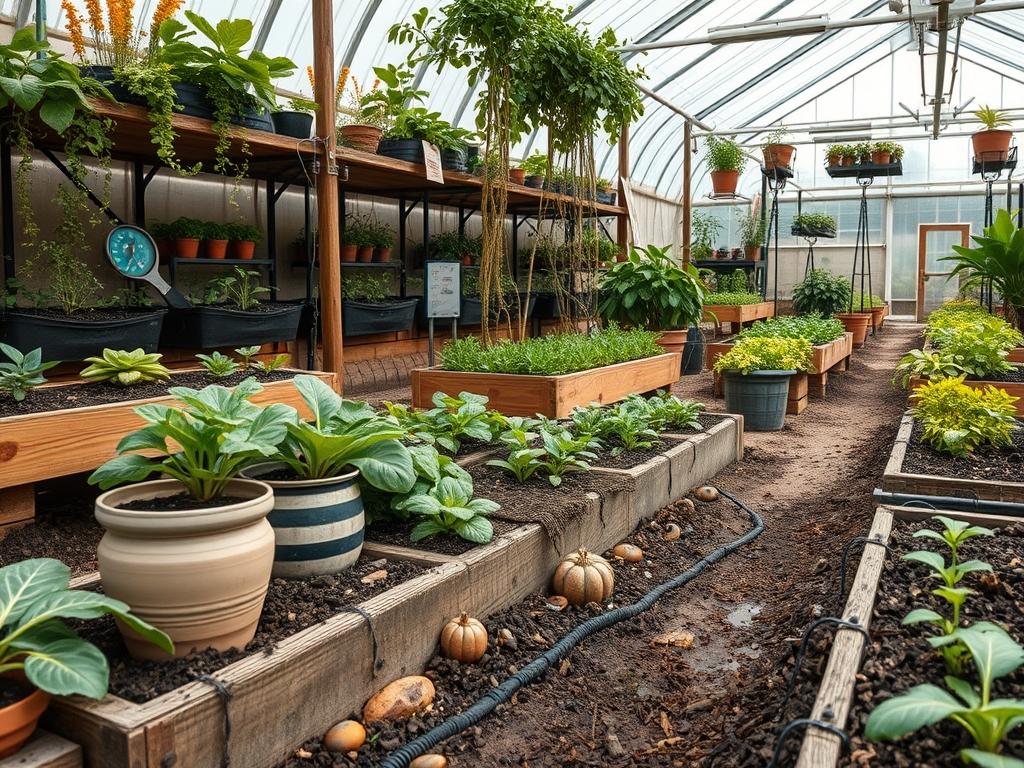
Achieving a balanced landscape begins beneath the surface, where the chemical composition of your earth dictates the success of every aesthetic element above. When high acidity levels begin to restrict nutrient uptake, the resulting visual decline can diminish curb appeal and compromise the long term functionality of your outdoor living space. Professional landscape architects recognize that soil pH is not a static variable; it is a dynamic foundation that influences plant vigor, turf density, and even the structural integrity of certain softscape features. Raising soil pH naturally is a process that requires patience and a deep understanding of site specific variables, including local climate, existing drainage patterns, and the desired horticultural outcome. In regions with heavy rainfall, vital minerals like calcium and magnesium frequently leach away, leaving behind acidic conditions that favor moss over pristine lawn grasses. To restore balance, we must implement strategies that integrate seamlessly with the broader landscape design, ensuring that every amendment supports the overall vision of a thriving, resilient outdoor environment.
Landscape Design Principles
Successful site planning relies on the interplay between symmetry and soil health. When we design focal points, such as a formal Boxwood parterre or a stately Lilac hedge, we are essentially committing to a specific set of soil parameters. If the soil remains too acidic, these focal points will appear stunted and yellowed, breaking the visual balance of the garden. A senior architect views pH management as a prerequisite for symmetry; without uniform growth, even the most precise layout will appear haphazard. Elevation layers also play a critical role. Soil at the top of a slope tends to dry out faster and may retain amendments differently than the saturated soil at the base. Consequently, we must adjust our application sub-rates based on the topographical survey of the property.
Irrigation planning must be synchronized with your soil amendment schedule to prevent the runoff of natural materials like Wood ash or Ground limestone. When we design walkways and hardscape borders, we often utilize the natural calcium leaching from concrete foundations or Stone dust bedding to provide a minor, localized pH boost to adjacent plant beds. This accidental alkalinity is a tool the observant designer uses to position acid sensitive species. Visual balance is further maintained by grouping plants with similar pH requirements together, which prevents the “patchwork” look that occurs when some plants thrive while their neighbors struggle in identical conditions.
Plant and Material Selection
| Plant Type | Sun Exposure | Soil Needs | Water Demand | Growth Speed | Maintenance Level |
| :— | :— | :— | :— | :— | :— |
| Boxwood Shrub | Partial Sun | 6.5 to 7.5 pH | Moderate | Slow | Medium |
| Lilac Bush | Full Sun | 7.0 pH plus | Moderate | Medium | High |
| Lavender | Full Sun | Well drained/Alkaline | Low | Moderate | Low |
| Clematis Vine | Partial Shade | Cool roots/Neutral | High | Fast | Medium |
| Spirea | Full Sun | Adaptable | Moderate | Fast | Low |
| Arborvitae | Full Sun | Near Neutral | High | Medium | Low |
| Daylilies | Full Sun | 6.0 to 7.0 pH | Moderate | Fast | Low |
Implementation Strategy
The implementation of a pH correction strategy begins with a professional soil test to determine the Cation Exchange Capacity (CEC) of your garden. This metric tells us how resistant the soil is to change. For a standard backyard layout, we prioritize Agricultural Lime or Dolomitic Lime, which contains magnesium, as the primary natural amendment. These materials are pulverized stones that dissolve slowly over several months, providing a steady rise in pH without shocking the rhizosphere. For immediate but localized results, Wood ash from a fireplace can be utilized, though it must be applied sparingly; it is roughly half as effective as lime but works much faster.
The physical layout planning involves precise Grading to ensure that any water movement across the site does not carry your amendments into a nearby storm drain or a pond. We recommend creating a Re-grading plan that directs water toward a French drain or a rain garden. Once the site is leveled, we apply the amendments using a Drop spreader for accuracy near Edging materials. Unlike a broadcast spreader, the drop spreader keeps the material within the designated beds. Following the application, a Garden rake is used to incorporate the lime into the top 2 to 4 inches of the soil. This is followed by the installation of a 3 inch layer of hardwood mulch, which helps retain moisture and prevents the pH amendments from blowing away during high winds.
Common Landscaping Failures
One of the most frequent errors in landscape management is the failure to account for soil compaction before applying amendments. If the soil is tightly packed, the Lime or Oyster shells will simply sit on the surface, unable to reach the root zone where the chemical change is most needed. This often results in a “layered” soil profile where the top half inch is alkaline but the roots remain trapped in an acidic basement. To avoid this, we utilize a Core aerator to open up the soil structure prior to treatment.
Another common pitfall is improper spacing during the planting phase. Many homeowners underestimate the mature spread of Lavender or Boxwoods, leading to overcrowding. Overcrowded plants compete fiercely for the available calcium in the soil, which can lead to localized acidity spikes as the plants exhaust the surrounding nutrients. Furthermore, drainage mistakes, such as allowing downspouts to pour directly into a garden bed, will undo months of pH correction by washing away the calcium carbonate. Finally, over liming is a significant risk. If the pH rises above 7.5, plants may suffer from Iron Chlorosis, a condition where they cannot access iron despite its presence in the soil, leading to a bleached, ghostly appearance in the foliage.
Seasonal Maintenance
Spring is the season for assessment. We begin by conducting follow up soil tests once the ground has thawed to see how the autumn amendments have shifted the chemistry. This is the ideal time to apply a light top dressing of Compost, which acts as a buffer, smoothing out any harsh fluctuations in pH caused by heavy spring rains. As the growing season begins, we monitor the leaf color of sensitive species like Clematis to ensure they are taking up nutrients efficiently.
During the summer, the focus shifts to irrigation management. Over watering can lead to the leaching of alkaline minerals, while under watering can cause salts to accumulate, potentially lowering the pH in localized spots. We maintain a strict watering schedule using a Drip irrigation system to deliver moisture directly to the roots without unnecessary runoff. In the autumn, the primary pH correction work takes place. Because Dolomitic lime takes several months to break down, a fall application ensures the soil chemistry is optimized for the following spring. We also clear away fallen oak leaves, which are naturally acidic, to prevent them from lowering the surface pH as they decompose over the winter. Winter maintenance is largely structural; we inspect Retaining walls and Hardscape for any signs of heaving and ensure that equipment like Trowels and Spreaders are cleaned and calibrated for the next cycle.
Professional Landscaping FAQ
How long does it take for lime to change soil pH?
Natural amendments like Dolomitic lime typically require three to six months to fully react with the soil. Because this is a biological and chemical process, moisture and soil temperature are key factors in determining the speed of the transition.
Can I use wood ash to raise pH in every garden?
While Wood ash is an excellent natural source of potassium and calcium, it is highly soluble. It should be used cautiously around young seedlings and never in large quantities, as it can cause a rapid, localized spike in alkalinity that burns roots.
Will mulch affect my soil pH goals?
Most organic mulches, such as Hardwood bark, have a negligible effect on deep soil pH. However, fresh pine needles or uncomposted oak leaves can slightly acidify the surface layer. Always use aged, dark mulch to maintain a neutral environment for your plants.
Does a high pH mean I do not need to fertilize?
No, pH only measures the acidity or alkalinity. While a proper pH makes nutrients more available, the soil must still contain those nutrients. You should still apply a balanced, slow release fertilizer based on the specific needs of your Native plants.
How often should I test my soil pH?
For a maturing landscape, testing every two to three years is sufficient. However, if you are actively trying to correct a severe acidity problem, annual testing in the autumn is recommended to track the effectiveness of your Implementation strategy.