
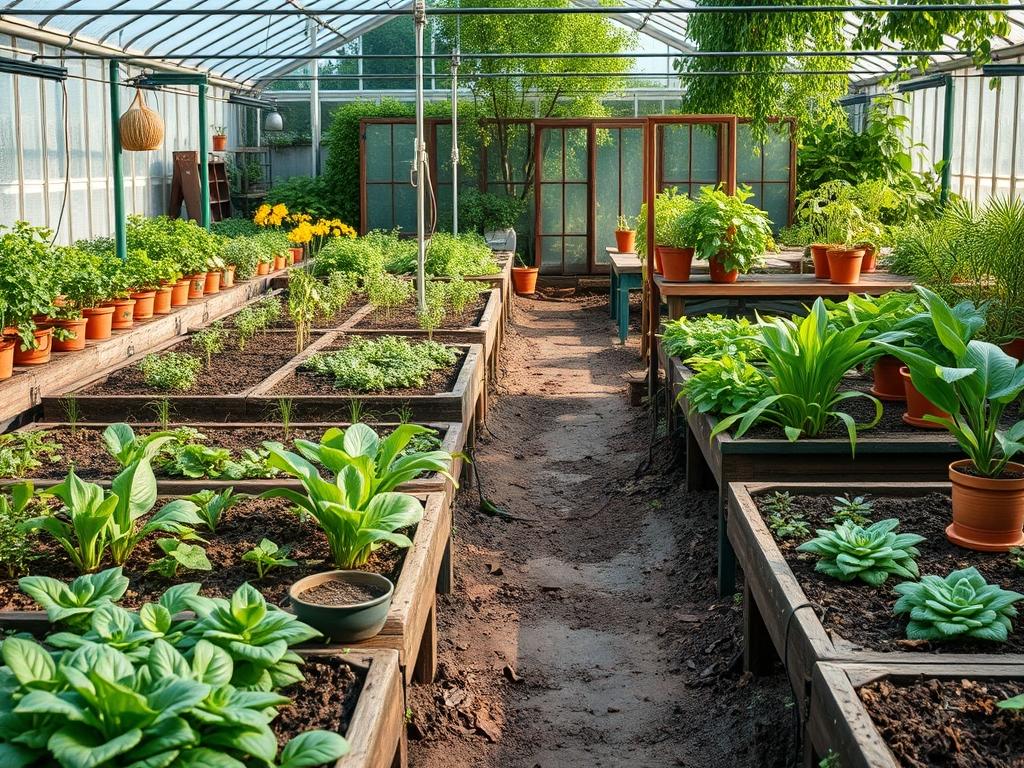
Silt soil presents a unique set of challenges and opportunities for the modern landscape architect. While it offers excellent nutrient retention due to its fine particle size, its lack of structural integrity often leads to massive drainage issues and severe soil compaction. From a professional consultant’s perspective, improving silt structure is not just a matter of aesthetics; it is a fundamental requirement for site longevity and functional outdoor living. Unlike sandy soils that drain too quickly or heavy clays that create impenetrable barriers, silt is deceptively silky and fertile. However, without mechanical and biological intervention, it easily transforms into a dense, anaerobic mass that can suffocate root systems and cause expensive hardscaping to shift. Achieving a balance between its high water-holding capacity and the need for oxygen exchange requires a strategic approach to soil management. By focusing on the structural porosity of the earth, we can enhance curb appeal and create a resilient environment that withstands varying climate conditions.
The outdoor functionality of a property relies heavily on how the ground manages moisture. In regions with high rainfall, unimproved silt can lead to standing water and muddy patches that ruin the utility of a backyard. Conversely, in dry climates, silt can form a hard, impenetrable crust that resists water infiltration. To solve these issues, we must treat the soil as a living infrastructure. Improving the physical properties of the silt through the introduction of organic matter and proper grading ensures that the landscape remains both beautiful and accessible throughout the year.
Landscape Design Principles
Effective landscape design on silty sites begins with a deep understanding of elevation and water movement. Because silt particles are small and easily transported by water, erosion control is a primary concern. Implementing retaining walls and tiered elevation layers can help manage the flow of runoff and prevent the loss of topsoil. These architectural features provide visual interest and create distinct zones for different plant communities. Designers should aim for a sense of symmetry that guides the eye toward a central focal point, such as a high-quality water feature or a curated specimen tree, while ensuring that the underlying ground remains stable.
Irrigation planning is equally critical when working with silt. Because the soil holds moisture so effectively, traditional overhead sprinklers often lead to over-saturation. A professional approach involves drip irrigation systems and moisture sensors that deliver water slowly, allowing the fine particles to absorb the liquid without becoming liquid themselves. Walkways and paths should be designed with permeable pavers or decomposed granite to allow for natural percolation. This prevents the “paving over” effect that often exacerbates drainage problems in silty environments. By balancing hard surfaces with soft, porous planting beds, we create a landscape that feels grounded and harmonious.
Visual balance in a silty landscape is achieved by mixing textures. Since silt can look uniform and flat, the addition of boulders, river rock, and varied plant heights adds much-needed dimension. Strategic placement of focal points helps distract from the functional infrastructure, like French drains or dry creek beds, which are often necessary to move water away from the home’s foundation. The goal is to integrate these engineering solutions so seamlessly that they appear to be natural elements of the garden’s design.
Plant and Material Selection
| Plant Type | Sun Exposure | Soil Needs | Water Demand | Growth Speed | Maintenance Level |
| :— | :— | :— | :— | :— | :— |
| River Birch | Full Sun/Partial Shade | Moist, Improved Silt | High | Fast | Medium |
| Switchgrass | Full Sun | Adaptable/Well-Drained | Low | Moderate | Low |
| Daylily | Full Sun/Partial Shade | Rich, Loamy Silt | Moderate | Fast | Low |
| Red Twig Dogwood | Full Sun/Partial Shade | Damp, Organic Rich | High | Moderate | Medium |
| Astilbe | Partial/Full Shade | Consistently Moist | High | Moderate | Medium |
| Blue Oat Grass | Full Sun | Well-Drained/Lean | Low | Slow | Low |
| Coneflower | Full Sun | Improved Silt/Loam | Low | Moderate | Low |
Implementation Strategy
The process of improving silt structure begins with a thorough site analysis and grading plan. Before any plants are installed, the land must be shaped to direct water toward legal discharge points. If the soil is heavily compacted from construction, the first step is mechanical aeration. Use a core aerator or a broadfork to break the surface tension without completely oversetting the soil horizons. Over-tilling silt is a common mistake that can actually destroy what little structure exists, turning the ground into a fine dust that settles into an even denser mass later.
Once the initial aeration is complete, the focus shifts to the incorporation of organic amendments. A 3-inch layer of high-quality compost or aged leaf mold should be spread across the planting area. This organic material provides the “glue” that allows fine silt particles to bind together into larger aggregates, creating larger pore spaces for air and water. For deep-rooted plants, you should work this amendment into the top 8 inches to 12 inches of the soil profile. Introducing biochar is another professional-grade tactic; its porous nature provides a permanent home for beneficial microbes that further improve soil tilth.
After the soil is prepared, hardscaping and edging should be installed. Use heavy-duty steel edging or natural stone to define the borders of the beds. This physical barrier prevents silt from washing onto walkways during heavy rain. When planting, ensure that the root balls are set slightly above the surrounding grade to account for settling. Finally, apply a 3-inch layer of shredded hardwood mulch or arborist wood chips. This mulch layer protects the surface from the impact of raindrops, which can shatter silt aggregates and lead to surface crusting. It also maintains a consistent temperature for the microorganisms working to rebuild the soil structure from within.
Common Landscaping Failures
One of the most frequent errors in managing silty landscapes is the failure to address drainage at the sub-soil level. Many homeowners simply add a layer of topsoil over compacted silt, creating a “bathtub effect” where water sits in the new soil because it cannot penetrate the dense layer below. This leads to root rot and the eventual death of expensive nursery stock. Another common failure is the use of heavy machinery when the silt is wet. Silt has very little load-bearing capacity when saturated; a single pass with a skid steer can compress the soil so severely that it becomes virtually anaerobic for years.
Improper spacing is another hallmark of amateur landscaping. In silty soils, plants often grow more vigorously than expected due to high nutrient availability. If shrubs and perennials are crowded together, air circulation decreases, leading to fungal issues like powdery mildew. Furthermore, irrigation inefficiencies often arise when designers fail to account for the capillary action of silt. Silt pulls water horizontally as well as vertically, which means water can stay in the root zone much longer than anticipated. Over-watering in these conditions is a frequent cause of plant failure, as the soil remains saturated and deprives roots of essential oxygen.
Seasonal Maintenance
Seasonal management is the key to preserving the structural improvements made to the soil. In the spring, the primary task is to check the functionality of all drainage systems. Clear debris from catch basins and ensure that downspout extensions are directing water away from planting beds. This is also the ideal time to add a light top-dressing of compost to replenish organic matter before the heat of summer sets in.
During the summer months, the focus shifts to moisture management. Use a soil probe or a simple trowel to check the moisture depth before turning on the irrigation. If the silt has been properly improved, it should feel moist but not muddy at a depth of 4 inches. Autumn is the season for “feeding the soil.” Instead of removing all fallen leaves, consider shredding them with a mulching mower and leaving them in the beds. This mimics the natural forest floor and provides a constant source of carbon for soil-dwelling organisms.
Winter maintenance involves protecting the soil from compaction. Avoid walking through garden beds when the ground is thawed and muddy, as this will undo months of structural improvement. If you must access these areas, use temporary plywood walkways to distribute your weight. By respecting the physical limits of the silt during the dormant season, you ensure that the landscape will be ready for a vibrant growth cycle when the ground warms in the spring.
Professional Landscaping FAQ
How can I tell if my soil is mostly silt?
Silt feels smooth and floury when dry and slippery, but not sticky, when wet. If you rub a small amount between your thumb and forefinger and it feels like talcum powder, you likely have a high silt concentration.
Does adding sand improve the structure of silt?
Generally, no. Adding sand to silt or clay without massive amounts of organic matter can create a substance similar to concrete. It is much more effective to use compost, pine bark fines, or leaf mold to create necessary air spaces.
Why is my silty soil cracking when it dries?
Cracking occurs when the fine particles shrink as moisture evaporates. While more common in clay, silt with low organic matter also crusts and cracks. Increasing the humus content and maintaining a thick mulch layer will prevent this surface tension.
Can I use a rototiller to mix in amendments?
Use a tiller sparingly. Over-tilling breaks down the natural soil aggregates into a fine powder that quickly compacts. A single pass to incorporate organic matter is sufficient; thereafter, use “no-dig” methods to maintain the soil’s internal architecture and health.
What is the best mulch for silty garden beds?
Shredded hardwood mulch is excellent because it interlocks and stays in place on silty slopes. As it decomposes, it contributes stable carbon to the soil, which is vital for long-term structural improvement and nutrient cycling in the root zone.