
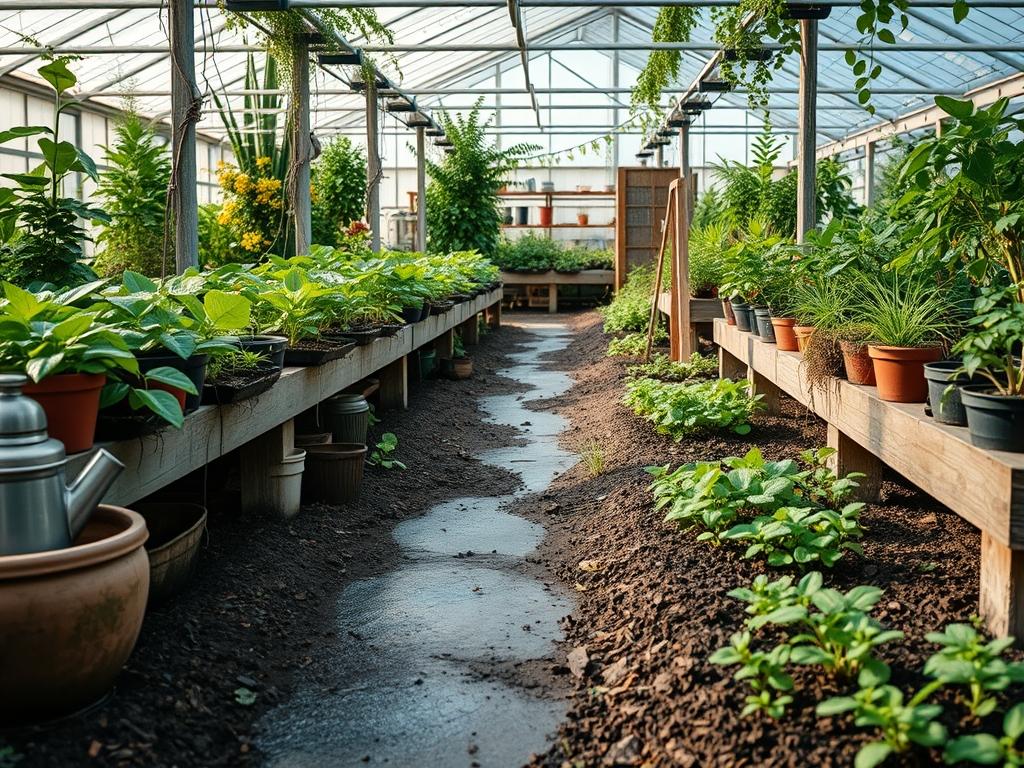
Cultivating a high performance landscape requires a delicate balance between aesthetic architectural form and the raw biological needs of the soil. As a consultant, I often find that the most impactful curb appeal stems from the invisible health of the root zone, yet many homeowners hesitate to use one of the most effective organic nutrients available. Fish Emulsion Fertilizer provides an unparalleled nitrogen boost and a rich array of trace elements that promote deep green foliage and robust flowering. However, its pungent aroma can often overwhelm an outdoor living space, turning a serene patio into an unpleasant environment for days. Managing this trade-off requires a strategic approach that integrates the fertilizer into a broader landscape management plan. By understanding the chemistry of the application and the physics of the garden layout, you can enjoy the benefits of rapid plant growth without the lingering scent of a commercial fishing wharf.
Landscape Design Principles
Maintaining a professional grade landscape involves more than just selecting beautiful plants; it requires a deep understanding of symmetry, focal points, and the functional layers of the environment. When planning a site, I look for ways to harmonize the hardscaping with the softscaping to create a sense of permanence. Visual balance is often achieved through elevation layers, where shorter groundcovers lead the eye toward mid-sized shrubs and eventually up to a canopy of specimen trees. To keep these layers thriving, targeted nutrition is essential.
Effective irrigation planning is the backbone of any successful design. If your irrigation system is not calibrated to the specific drainage rates of your soil, even the best fertilizers will fail to reach the root zone. When using liquid organic fertilizers, the goal is to drive the nutrients deep into the earth rather than letting them sit on the surface where they oxidize and release odors. I recommend designing walkways and access paths that allow for precision application. This prevents the fertilizer from splashing onto porous hardscaping materials like limestone or sandstone, which can trap odors for weeks. By focusing the application on targeted focal points, such as high impact ornamental beds, you minimize the overall scent profile while maximizing the visual return on investment.
Plant and Material Selection
The following table outlines high value plants that respond exceptionally well to organic liquid feeding and how to integrate them into your landscape plan.
| Plant Type | Sun Exposure | Soil Needs | Water Demand | Growth Speed | Maintenance Level |
| :— | :— | :— | :— | :— | :— |
| Boxwood Shrub | Full Sun to Partial Shade | Well-drained, Loamy | Moderate | Slow to Medium | Moderate |
| Lavender | Full Sun | Gritty, Alkaline | Low | Medium | High Pruning |
| Hydrangea | Partial Shade | Rich, Moist | High | Fast | Medium |
| Japanese Maple | Dappled Sunlight | Slightly Acidic | Moderate | Slow | Low |
| Hostas | Full Shade | Organic-rich | High | Medium | Very Low |
| Star Jasmine | Full Sun to Shade | Adaptable | Moderate | Fast | High (Vining) |
Implementation Strategy
A successful implementation starts with the physical preparation of the garden beds before any liquid nutrients are introduced. Proper grading is the first step; the soil must slope away from the home foundation at a rate of at least two percent to prevent moisture from pooling. When you apply Fish Emulsion Fertilizer, you want the solution to move vertically into the soil profile rather than horizontally across the surface. If the soil is compacted, the liquid will sit on top and create a significant odor problem. I suggest using an aeration tool to create small entry points in the soil before application.
To further mitigate the smell, use a precision hose-end sprayer calibrated to a 1:30 dilution ratio. Applying the fertilizer during the early morning hours, specifically when the dew point is high and temperatures are cool, allows the liquid to settle before the sun begins to cook the organic proteins. Once the fertilizer has been applied as a soil drench, follow up immediately with a ten minute cycle of clear water from your irrigation system. This acts as a water cap, pushing the odorous compounds six to eight inches below the surface. Finally, maintain a consistent mulch depth of three inches using shredded cedar or hardwood mulch. The carbon in the mulch acts as a natural filter, trapping scent molecules and breaking them down via microbial activity.
Common Landscaping Failures
The most frequent mistake I see in landscape management is the total neglect of drainage. When heavy organic fertilizers are applied to waterlogged soil, anaerobic conditions develop. This leads to a fermentation process that exacerbates the foul smell and can actually damage the fine root hairs of your plants. Furthermore, root overcrowding often occurs when plants are spaced according to their nursery size rather than their mature spread. This lack of airflow prevents the soil surface from drying properly, which traps odors in humid pockets near the ground.
Soil compaction is another silent killer of landscape aesthetics. In high traffic areas, the soil becomes as dense as concrete, preventing the Fish Emulsion Fertilizer from penetrating. Instead of feeding the plant, the fertilizer runs off into walkways or drains, wasting money and creating an environmental hazard. Additionally, improper spacing of drip emitters can lead to dry zones where the fertilizer salts accumulate without being diluted. This can cause leaf burn and a persistent, salty-fish odor that lingers because there is not enough water to move the nutrients through the soil horizon.
Seasonal Maintenance
Landscape management is a year round commitment that changes with the sun angle and soil temperature. In the spring, your focus should be on stimulating new growth. This is the best time for a heavy application of nutrients as the plants are entering their peak metabolic phase. Apply your organic fertilizers just as the buds begin to swell but before the full heat of summer arrives.
During the summer month, the goal shifts to stress management. I advise against using heavy fish based products during heatwaves, as high temperatures accelerate the release of volatile organic compounds, making the smell much more intense. If you must fertilize, do so late in the evening and water deeply. In the autumn, the objective is root development rather than foliage growth. A final, diluted application helps the plants store carbohydrates for the winter dormancy period. Ensure that your drainage channels and retaining walls are clear of debris so that winter rains can flush any residual salts from the soil. During the winter, focus on hardscape maintenance and structural pruning, allowing the soil biology to rest and process the organic matter accumulated throughout the year.
Professional Landscaping FAQ
How can I mask the smell of fish emulsion immediately?
Mix a tablespoon of peppermint oil or lavender oil into your sprayer. The strong essential oils neutralize the fishy scent at the molecular level, providing a pleasant aromatic profile while the fertilizer penetrates the soil and the mulch layer.
Does dry fish fertilizer smell less than liquid emulsion?
Yes, hydrolyzed fish powder or granular versions usually have a significantly lower odor profile. However, they act more slowly. For immediate green-up, the liquid emulsion is superior, provided you use the water-capping technique to bury the scent.
Will the smell of the fertilizer attract neighborhood pests?
It can attract raccoons or cats if left on the surface. To prevent this, always use a soil drench method rather than foliar spraying and cover the treated area with a fresh layer of bark mulch to hide the scent.
Can I use fish emulsion on indoor potted plants?
I do not recommend using standard emulsions indoors due to the lack of airflow. If you must, move the plants outside for the application and wait forty-eight hours before bringing them back in, ensuring the soil has been thoroughly rinsed.
How often should I apply this fertilizer to my lawn?
For a professional look, apply a diluted solution every four to six weeks during the growing season. Ensure you are using a mechanical spreader or calibrated sprayer to avoid overlaps, which can cause uneven coloring and localized odor spikes.