
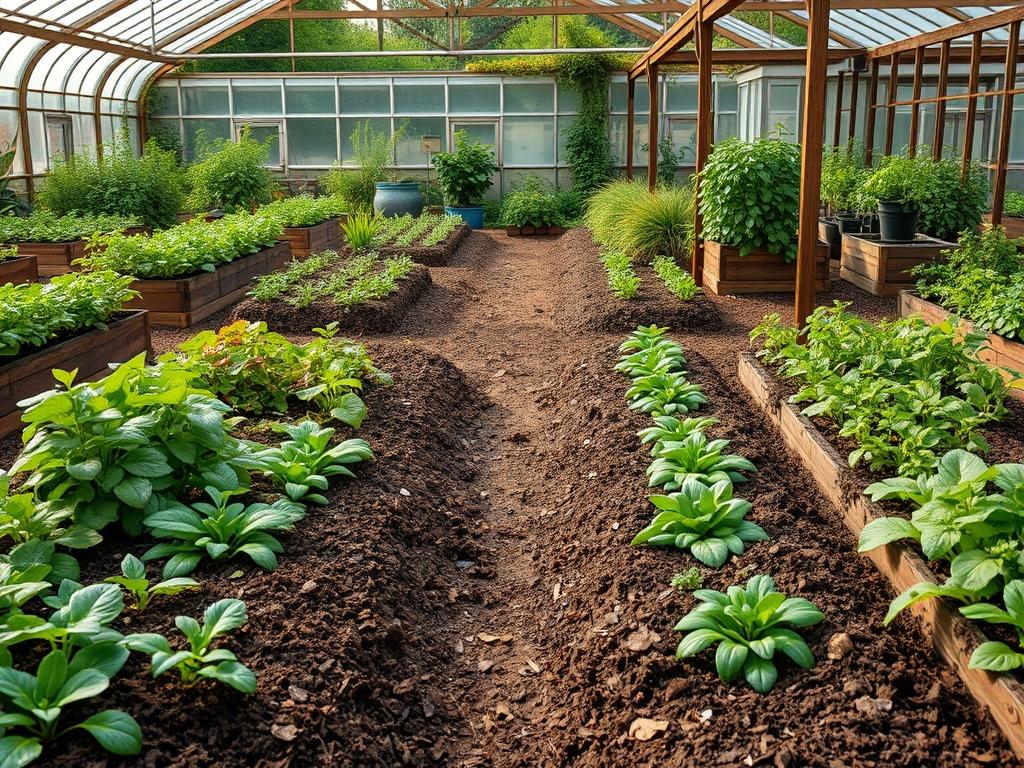
Transforming an existing lawn into a vibrant, ecologically sound landscape requires more than just a shovel and a few bags of potting soil. The process of establishing a new garden bed often involves a battle against stubborn turf, compacted soil, and the persistent seed bank of invasive weeds. As a landscape architect, I view the soil as the structural foundation of every outdoor environment. Sheet mulching techniques provide a sophisticated, low-impact solution for preparing this foundation without the destructive practice of tilling, which disrupts soil aggregates and kills beneficial fungal networks. By layering organic materials directly over existing vegetation, we simulate the natural forest floor cycle. This method improves drainage, enhances moisture retention, and builds the organic matter necessary for high-end curb appeal and long term plant health. Whether you are designing a sleek modern courtyard or a sprawling native meadow, the success of your project hinges on how well you facilitate the biological transition from tired sod to fertile loam.
Professional Sheet mulching techniques are particularly effective in climates where water conservation is paramount. Modern landscaping demands high functionality, where every element of the garden serves multiple purposes. A well-executed mulch bed acts as a biological sponge, capturing runoff during heavy rains and releasing it slowly to the roots of your ornamental specimens. This reduces the strain on municipal stormwater systems and decreases the frequency of manual irrigation. Furthermore, the aesthetics of a deeply mulched bed offer an immediate visual upgrade, defining the edges of the property and providing a clean, dark backdrop that makes the colors of your foliage pop.
Landscape Design Principles
Effective site planning requires a nuanced understanding of spatial relationships and the physical characteristics of the terrain. When we approach a new garden bed design, we must first address the concept of symmetry and visual balance. This does not always mean a mirrored layout. Instead, it refers to the distribution of visual weight across the horizon. A large Quercus virginiana on one side of a property may be balanced by a dense cluster of Hydrangea paniculata and a well-placed retaining wall on the other. Sheet mulching allows the designer to kill off large swaths of grass in precise, flowing shapes that guide the eye toward these focal points.
Elevation layers are another critical consideration. In a professional layout, we rarely plant on a completely flat plane. We use sheet mulching techniques to build up mounds, or berms, which provide vertical interest and improve drainage for species that cannot tolerate wet feet. By varying the thickness of the organic layers, we create micro-topographies that mimic natural landscapes. Furthermore, the placement of walkways and paths must be integrated into the initial mulching phase. By laying down heavy crushed stone or flagstone over a weed-suppressing base, we define the circulation patterns of the outdoor living space before the first perennial is even planted.
Irrigation planning must occur simultaneously with the layering process. Deeply set drip irrigation lines should be installed beneath the cardboard layer or tucked just under the top layer of compost to ensure that water is delivered directly to the root zone without evaporating on the surface. This layered approach protects the hardware from UV degradation and mechanical damage from garden tools. By thinking three-dimensionally about the soil profile, we ensure that the structural elements of the garden work in harmony with the biological ones.
Plant and Material Selection
The success of a sheet-mulched bed depends heavily on choosing the right species for the specific microclimate created by the mulch. Below is a selection of plants that thrive in the rich, moist environment of a newly established organic bed.
| Plant Type | Sun Exposure | Soil Needs | Water Demand | Growth Speed | Maintenance Level |
| :— | :— | :— | :— | :— | :— |
| Echinacea purpurea | Full Sun | Well-drained | Low | Moderate | Low |
| Panicum virgatum | Full to Part | Variable | Medium | Fast | Low |
| Amsonia hubrichtii | Full Sun | Loamy | Medium | Moderate | Low |
| Cercis canadensis | Part Shade | Rich/Moist | Medium | Moderate | Medium |
| Cornus sericea | Full to Part | Wet/Moist | High | Fast | Medium |
| Heuchera villosa | Shade | Organic Rich | Medium | Moderate | Low |
| Baptisia australis | Full Sun | Deep/Sandy | Low | Slow | Low |
Implementation Strategy
To execute the best sheet mulching techniques, you must follow a disciplined, multi step process. Begin by scalping the existing grass with a lawn mower set to the lowest possible height. You do not need to remove the clippings; they provide the initial boost of nitrogen for the decomposition process. Once the area is clear, use a manual edger or a spade to create a deep trench around the perimeter of the bed. This trench, usually 3 to 5 inches deep, prevents the mulch from spilling onto the lawn and stops grass rhizomes from creeping back into the new garden space.
The next step involves the primary weed barrier. Use large sheets of corrugated cardboard or several layers of heavyweight builder’s paper. Ensure that the edges of the cardboard overlap by at least 6 to 8 inches to prevent light from reaching the weeds below. Any gaps in this layer will result in grass poking through within weeks. Once the cardboard is laid out, saturate it thoroughly with a garden hose. This moisture is essential for attracting earthworms, which will eventually perforate the cardboard and aerate the compacted soil beneath.
After the barrier is wet, apply a 2 inch layer of nitrogen-rich material. This could be aged manure, green compost, or a mix of grass clippings. This “green” layer accelerates the breakdown of the carbon-rich cardboard. Finally, top the entire area with 3 to 4 inches of a high quality “brown” carbon source. For a high-end aesthetic, use triple shredded hardwood mulch, arborist wood chips, or pine bark nuggets. If you plan to plant immediately, you can cut “X” shapes into the cardboard with a utility knife, pull back the layers, and install your container-grown plants directly into the soil, backfilling with a handful of clean compost.
Common Landscaping Failures
One of the most frequent mistakes in sheet mulching is poor drainage planning. If the underlying soil is heavy clay, the cardboard and mulch can create a “bathtub effect,” where water pools at the root level and drowns the plants. This is why incorporating grading and french drains is vital before the mulching begins. A landscape should always slope away from the home foundation at a minimum of a 2 percent grade.
Another failure involves nitrogen tie-up. When raw wood chips are mixed directly into the soil rather than left on top, the microbes responsible for breaking down the wood will pull all the available nitrogen away from your plants. This results in stunted growth and yellowing leaves. Always keep your wood chips as the very top layer. Additionally, many homeowners suffer from root overcrowding because they fail to research the mature spread of their chosen native plants. Proper spacing, often 18 to 36 inches depending on the species, ensures that each plant has adequate air circulation to prevent fungal diseases. Irrigation inefficiencies also plague new beds; if the mulch depth is too thin, the sun will bake the soil, but if it is too thick (over 6 inches), it can actually prevent light rain from ever reaching the soil.
Seasonal Maintenance
Landscape management is a year round commitment that changes with the cycles of the environment. In the spring, inspect the bed for any areas where the cardboard has decomposed more quickly than expected. Apply a fresh 1 inch layer of compost and lightly top dress with additional mulch to maintain the suppression barrier. This is also the time to divide any perennials that have become too large for their designated space.
During the summer, the focus shifts to moisture management. Use a soil moisture meter to check the hydration levels beneath the mulch. Even if the surface looks dry, the sheet mulching techniques you applied may be keeping the roots perfectly damp. Minimize pruning during periods of extreme heat to avoid stressing the plants.
As autumn arrives, let the fallen leaves remain on the garden beds. These leaves act as a natural, free mulch layer and provide essential habitat for beneficial insects. You can shred them with a mulching mower first to prevent them from matting down and blocking oxygen. Finally, in the winter, evaluate the structural integrity of the bed. Check for soil erosion near retaining walls and plan any hardscaping additions for the following year. Winter is the ideal time to sharpen your pruning shears and loppers in preparation for the spring growth spurt.
Professional Landscaping FAQ
How long does it take for the grass to die?
Typically, the underlying turf and weeds will lose all viability within 2 to 4 months. This depends on the heat and moisture levels, which accelerate the decomposition of the cardboard and organic materials.
Can I use sheet mulching over invasive species?
Sheet mulching works for most grasses, but aggressive invasives like English Ivy or Bermuda grass may require a double layer of heavyweight cardboard and up to 8 inches of mulch to ensure complete eradication.
Is it safe to use cardboard with color printing?
It is best to use plain brown corrugated cardboard. Avoid heavily waxed surfaces or glossy coatings, as these can contain plastics or metallic inks that do not break down cleanly in the soil ecosystem.
When is the best time of year to start?
Autumn is the ideal season. Starting in the fall allows the winter rains and snow to weigh down the layers and begin the decomposition process, resulting in a nutrient-rich planting environment by the following spring.
Do I need to add fertilizer to a mulched bed?
Generally, no. The primary goal of sheet mulching techniques is to create a self-sustaining system. As the organic layers break down, they release a steady stream of nutrients that usually eliminates the need for synthetic fertilizers.