
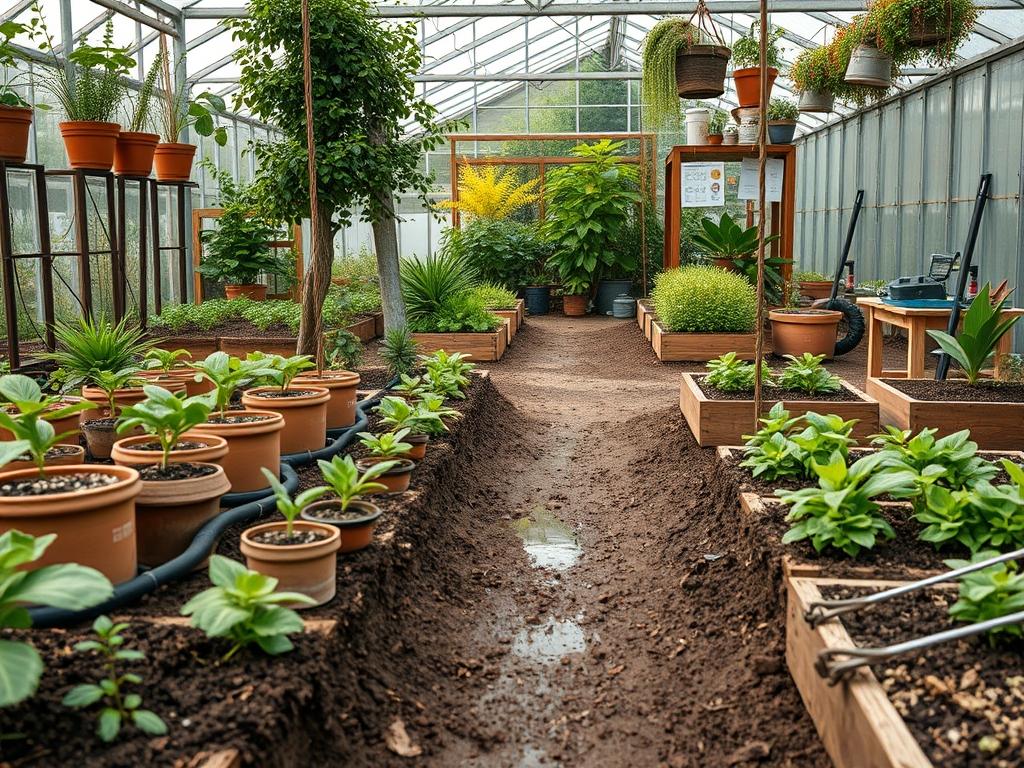
Silt soil presents a unique paradox for the modern landscape architect. While it is often incredibly fertile due to its mineral-rich composition, its physical structure is deceptively fragile. Unlike cohesive clay or coarse sand, silt particles are fine and prone to compaction when wet, yet light enough to wash away during a moderate rainstorm. Managing silt soil requires a strategy that balances hydraulic control with structural stabilization. For homeowners and developers, this means moving beyond simple aesthetics to address the foundational physics of the site. A well-designed landscape on silty terrain must prioritize erosion control and drainage to ensure long term curb appeal and structural integrity. Without a deliberate plan, high-quality topsoil can quickly migrate into storm drains, leaving behind gullies and compromised root systems.
Landscape Design Principles
Successful silt management begins with a sophisticated approach to elevation and site geometry. Because silt is so easily transported by moving water, the primary design goal is to reduce the velocity of runoff. This is often achieved through the use of elevation layers and terracing. By breaking a long slope into a series of smaller, flat planes, you effectively reset the water flow at each level, preventing the momentum that causes deep rills. Symmetry in these designs is not just about visual balance; it also helps distribute water weight evenly across the property. When planning focal points, such as an ornamental tree or a stone sculpture, ensure they are situated on stable, slightly raised beds to prevent “mucking” around the base during the rainy season.
Irrigation planning on silty sites must be exceptionally precise. Silt possesses a high capillary action, meaning it can pull moisture upward, but it also reaches a saturation point where it becomes liquid-like and unstable. Your landscape design should feature a combination of subsurface irrigation and smart controllers to avoid surface-level pooling. Walkways should be constructed using permeable materials rather than solid concrete. Using Permeable Pavers or a Crushed Stone base allows water to infiltrate the ground directly where it falls, rather than gathering into a destructive stream. Visual balance is maintained by using heavy-textured plants to contrast with the fine, powdery nature of the soil, providing a sense of permanence and weight to the garden architecture.
Plant and Material Selection
| Plant Type | Sun Exposure | Soil Needs | Water Demand | Growth Speed | Maintenance Level |
| :— | :— | :— | :— | :— | :— |
| Switchgrass | Full Sun | Adaptable/Silt | Low to Moderate | Fast | Low |
| Red Osier Dogwood | Full to Part Sun | Wet to Moist | High | Moderate | Medium |
| Creeping Phlox | Full Sun | Well-Drained | Moderate | Fast | Low |
| River Birch | Full to Part Sun | Moist/Alluvium | High | Fast | Medium |
| Japanese Spirea | Full Sun | Moist/Rich | Moderate | Moderate | Low |
| Pennsylvania Sedge | Part to Full Shade | Moist/Silt-Loam | Moderate | Moderate | Low |
Implementation Strategy
The implementation process for managing silt begins with a professional grade. You must ensure the land slopes away from foundations at a minimum of 2 inches of drop for every 10 feet of distance. Once the rough grade is established, the first tip is to incorporate Organic Compost or Aged Pine Bark to bridge the fine particles, which improves aeration. Second, install Silt Fences or Straw Wattles during the transition phase to catch sediment before it leaves the site. Third, focus on deep-rooting native species. Plants like Little Bluestem or Oakleaf Hydrangea act as biological rebar, knitting the soil together.
The fourth tip involves professional edging. Use high-quality Steel Edging or Concrete Curbing to create a physical barrier that prevents silt from washing onto hardscapes. Fifth, apply a consistent layer of Hardwood Shredded Mulch at a depth of 3 inches. Unlike lighter chips, shredded hardwood interlocks, creating a mat that resists floating. Sixth, consider the use of Riprap or River Rock in areas of concentrated flow, such as under downspouts. This breaks the energy of the water. Seventh, build Retaining Walls using Interlocking Block systems for any slope exceeding a 3:1 ratio. Eighth, use Geotextile Fabric under all stone features to prevent the fine silt from migrating upward and “swallowing” your rocks.
The ninth tip is the creation of a Rain Garden. This is a shallow depression designed to collect and filter runoff, turning a potential erosion problem into a lush landscape feature. Tenth, establish a “no-mow” buffer zone of taller grasses near property lines or water bodies to act as a final filter. Eleventh, use Soil Tackifiers or Erosion Control Blankets on newly seeded areas to provide immediate protection. Finally, the twelfth tip is to limit the use of heavy machinery. Silt is incredibly susceptible to compaction; once the pore spaces are crushed by a Skid Steer or heavy truck, the soil loses its ability to drain, leading to standing water and root rot.
Common Landscaping Failures
Failure in silt management often stems from a lack of understanding regarding soil density. The most frequent mistake is improper drainage infrastructure, such as using a “dry well” in an area where the silt is too fine to allow for rapid percolation. This creates a permanent swamp. Another common error is root overcrowding. Because silt is nutrient-dense, plants may grow aggressively above ground while their roots stay shallow due to a lack of oxygen in compacted lower layers. This makes large trees prone to “windthrow,” where the entire tree topples because the soil cannot hold the root ball during a storm.
Improper spacing and the use of “invasive” groundcovers can also backfire. While you want fast coverage, some aggressive species can choke out the diverse root structures needed for deep soil stabilization. Irrigation inefficiency is another culprit. Over-watering silty soil causes “piping,” where water carves tiny underground tunnels that eventually collapse into sinkholes. Lastly, many homeowners fail to account for the “frost heave” characteristic of silt. Because silt holds so much water, it expands significantly during freezing cycles, which can crack thin concrete walkways or displace shallowly buried fence posts if a proper Gravel Base of at least 6 inches is not provided.
Seasonal Maintenance
Spring maintenance on silty sites must focus on repair and aeration. Once the ground has thawed but before it becomes fully saturated with spring rains, use a Core Aerator to relieve winter compaction. This is also the time to inspect the integrity of your Retaining Walls and re-seed any bare patches that emerged during the snowmelt. During the summer, the challenge shifts to moisture consistency. Silt can become very hard and “crusty” when dry, repelling water. Slow, deep watering sessions are better than frequent shallow mists.
In the autumn, focus on debris management. Do not allow thick layers of leaves to sit on your groundcover or turf, as this can kill the plants and leave the soil exposed to winter erosion. This is the ideal time to add another 1 inch of compost to gardens to replenish organic matter. Winter maintenance is primarily about protection. Avoid using heavy amounts of De-icing Salts, which can break down soil structure and kill the stabilizing vegetation. Instead, use Sand for traction. Check your drainage outlets periodically to ensure they are not blocked by ice or sediment, ensuring that when the spring thaw begins, the water has a clear, planned path to exit the property.
Professional Landscaping FAQ
How can I tell if my soil is mostly silt?
Take a moist sample and rub it between your fingers. Silt feels smooth and flour-like when dry and slippery like soap when wet. Unlike clay, it will not hold a long, thin ribbon shape when squeezed.
What is the best mulch for erosion-prone silt?
Use Shredded Hardwood Mulch. Its fibrous texture allows the pieces to knit together and stay in place on slopes. Avoid “nugget” style bark or light cedar chips, which float away easily during heavy rainstorms.
Will a retaining wall solve my silt erosion issues?
A wall solves the structural problem of a slope, but you must include Perforated Drain Pipe and Clean Gravel behind the wall. Without proper drainage, water pressure will build up and eventually push the wall over.
Why does my silt soil get so hard in summer?
The fine particles in silt pack together tightly as moisture evaporates. Incorporating Leaf Mold or Compost regularly increases the “tilth” of the soil, preventing it from baking into a brick-like surface during heatwaves.
Is silt soil good for a vegetable garden?
Yes, it is excellent for vegetables because it holds nutrients and moisture better than sand. However, you must use Raised Beds or permanent garden paths to ensure you never walk on the soil, which prevents catastrophic compaction.