
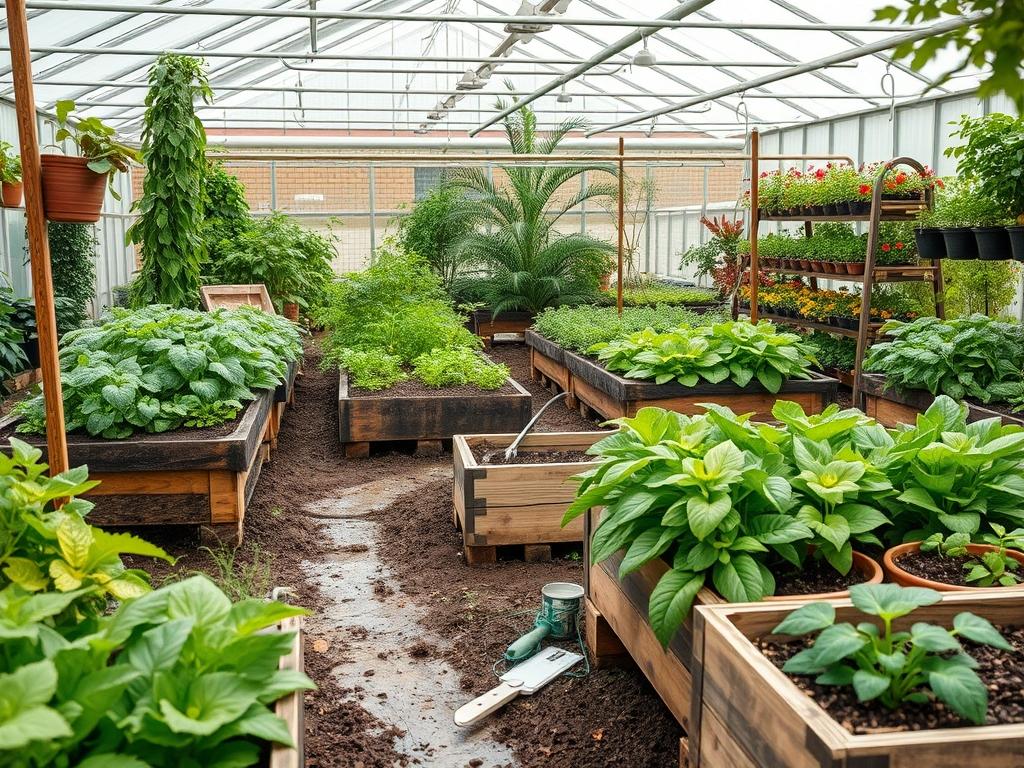
Successful landscape architecture begins with the subterranean environment, as the health of any outdoor installation depends entirely on the biological and structural integrity of the growing medium. As spring approaches, homeowners and developers often look toward raised beds to solve drainage issues, create architectural interest, or overcome poor native soil quality. Choosing the best soil for raised beds is a decision that impacts not only the vitality of the flora but also the long-term maintenance costs and the overall curb appeal of the property. When we design these elevated structures, we are creating a micro-environment that is disconnected from the natural earth. This disconnection grants us total control over the nutrient profile and drainage, yet it also places the burden of environmental management entirely on the chosen substrate. A well-designed raised bed acts as a focal point in a master landscape plan; it provides clean lines, manages pedestrian flow, and allows for the introduction of specimen plants that might otherwise struggle in the local hardiness zone.
Landscape Design Principles
Integrating raised beds into a professional landscape requires a deep understanding of symmetry, focal points, and elevation. Raised beds serve as vertical transitions that break up the monotony of a flat lawn. By elevating the planting surface, we create a tiered effect that draws the eye upward, highlighting specific textures and colors. Symmetry is often achieved by flanking entryways or walkways with mirrored rectangular or circular beds, while asymmetrical arrangements can be used to soften the harsh angles of a modern home.
Elevation layers are critical for visual depth. A bed that sits 18 inches off the ground provides a different aesthetic and functional experience than one that is only 6 inches high. The higher the bed, the more the soil profile matters, as gravity pulls moisture through the column more aggressively. When planning these structures, professional consultants also consider irrigation integration. Sub-surface drip irrigation lines should be mapped out before the soil arrives, ensuring that water reaches the root zones without causing surface erosion. The choice of material for the walls, whether it is pressure-treated timber, natural cedar, or modular masonry, must complement the home’s architecture. The best soil for raised beds must be structurally stable enough to support these layouts without settling so much that it leaves a visible gap at the top of the retaining wall, which would diminish the clean lines of the design.
Plant and Material Selection
| Plant Type | Sun Exposure | Soil Needs | Water Demand | Growth Speed | Maintenance Level |
| :— | :— | :— | :— | :— | :— |
| Heirloom Tomatoes | Full Sun | High Organic Matter, pH 6.5 | 1.5 – 2 inches/week | Fast | High |
| French Lavender | Full Sun | Sandy, Gritty, Low Nitrogen | 0.5 inches/week | Moderate | Low |
| Leafy Greens (Kale) | Partial Shade | Nitrogen Rich, High Humus | 1 inch/week | Fast | Moderate |
| Dwarf Boxwood | Part/Full Sun | Loamy, Well-Drained | 1 inch/week | Slow | Low |
| Creeping Thyme | Full Sun | Well-Drained, Lean | 0.5 inches/week | Moderate | Very Low |
| Sweet Peppers | Full Sun | Phosphorous-Rich, Loam | 1.5 inches/week | Moderate | Moderate |
Implementation Strategy
The process of filling a raised bed, often referred to as a “soil build,” involves a strategic layering approach to ensure drainage and nutrient density. For a standard 4-foot by 8-foot bed, the implementation starts at the base. If the bed is placed over turf, a layer of cardboard or geotextile fabric is essential to suppress weeds. Many professionals utilize a modified “Hugelkultur” base for very deep beds, using rotting logs and twigs at the bottom to provide long-term carbon release and moisture retention, though for most residential applications, a high-quality bulk mix is preferred.
The ideal ratio for the best soil for raised beds is often the “60/30/10” rule. This consists of 60 percent topsoil, 30 percent high-quality compost, and 10 percent aeration material such as perlite, pumice, or coarse sand. When ordering bulk materials, ensure the topsoil is screened to at least 1/2 inch to remove large rocks and debris. The compost should be a diverse blend; a mix of mushroom compost, aged steer manure, and leaf mold provides a broader spectrum of micronutrients than a single-source compost.
Once the soil is mixed and leveled, it should be compacted lightly by hand or with a water-filled roller to remove large air pockets, but never to the point of hardness. After planting, a 3-inch layer of wood chips or shredded cedar mulch is applied to the surface. This mulch layer is vital for regulating soil temperature and preventing the high-quality mix from crusting over under the summer sun. For drainage management, the grade around the exterior of the bed must slope away from the structure at a minimum of two percent to prevent water from pooling at the base and rotting the retaining walls.
Common Landscaping Failures
The most frequent mistake in raised bed management is the use of standard “garden soil” or “fill dirt” straight from the ground. Native soil often contains too much clay, which, when placed in a confined container, loses its structure and turns into a brick-like mass. This leads to soil compaction, a condition where the pore spaces are eliminated, suffocating the roots and preventing water infiltration. Without proper aeration materials like vermiculite or expanded shale, the bed will eventually sag and fail to support vigorous growth.
Another common failure involves improper drainage at the interface between the bed and the subsoil. If a bed is built on top of heavy clay without any transition, a “bathtub effect” occurs where water sits in the bottom of the bed, leading to root rot. Professionals avoid this by using a tine tiller to break up the native earth at the bottom before adding the new soil. Furthermore, many homeowners ignore the need for nutrient replenishment. Because raised beds drain faster than the ground, nutrients like nitrogen leach out more quickly. Failing to add a fresh 2-inch layer of compost every spring will lead to stunted plants and poor yields within two or three seasons.
Seasonal Maintenance
Spring is the primary season for rejuvenation. This is when you should conduct a pH test to ensure the soil remains between 6.0 and 7.0 for most garden varieties. If the soil has settled, add a blend of topsoil and aged compost to bring the level back to within 1 inch of the bed’s rim. Check the integrity of the irrigation emitters and clear any clogs caused by mineral buildup.
In the summer, the focus shifts to moisture management and heat protection. Monitor the soil moisture using a tensiometer or a simple finger test; the soil should feel like a wrung-out sponge 2 inches below the surface. High-evaporation days may require twice-daily watering if the bed is small or shallow. Autumn is the time for “feeding the soil.” Instead of leaving the bed bare, plant a cover crop like crimson clover or winter rye to prevent erosion and fix nitrogen. Alternatively, topping the bed with a thick layer of fallen leaves provides a habitat for beneficial microbes. Winter maintenance involves checking the structural integrity of the frames. Wood expands and contracts with the freeze-thaw cycle, so ensure galvanized screws or rebar stakes remain secure.
Professional Landscaping FAQ
What is the fastest way to improve drainage in an existing bed?
Incorporate expanded shale or coarse perlite into the top 8 inches of the soil. These materials create permanent macropores that allow water and oxygen to reach root systems even in heavy, wet weather conditions.
Should I use pressure-treated lumber for my raised beds?
Modern ACQ-treated lumber is generally considered safe for ornamental and most food crops. However, for those with high toxicity concerns, rot-resistant cedar, redwood, or composite timbers are the preferred professional alternatives for long-lasting structures.
How often should I replace the soil in my raised beds?
You should never need to fully replace the soil if it is maintained correctly. Instead, refresh the bed annually by tilling in 3 inches of organic compost and mineral amendments to replace nutrients lost during the previous growing season.
Is it necessary to put a liner in my raised bed?
A liner is recommended if the bed is built from treated wood or if the native soil contains contaminants. Use BPA-free plastic on the sides only, leaving the bottom open for drainage and beneficial worm migration.
How do I calculate how much soil I need to buy?
Multiply the length by the width by the depth in feet to get the total cubic feet. Divide that number by 27 to find the cubic yards. It is always wise to order 10 percent more to account for settling.