
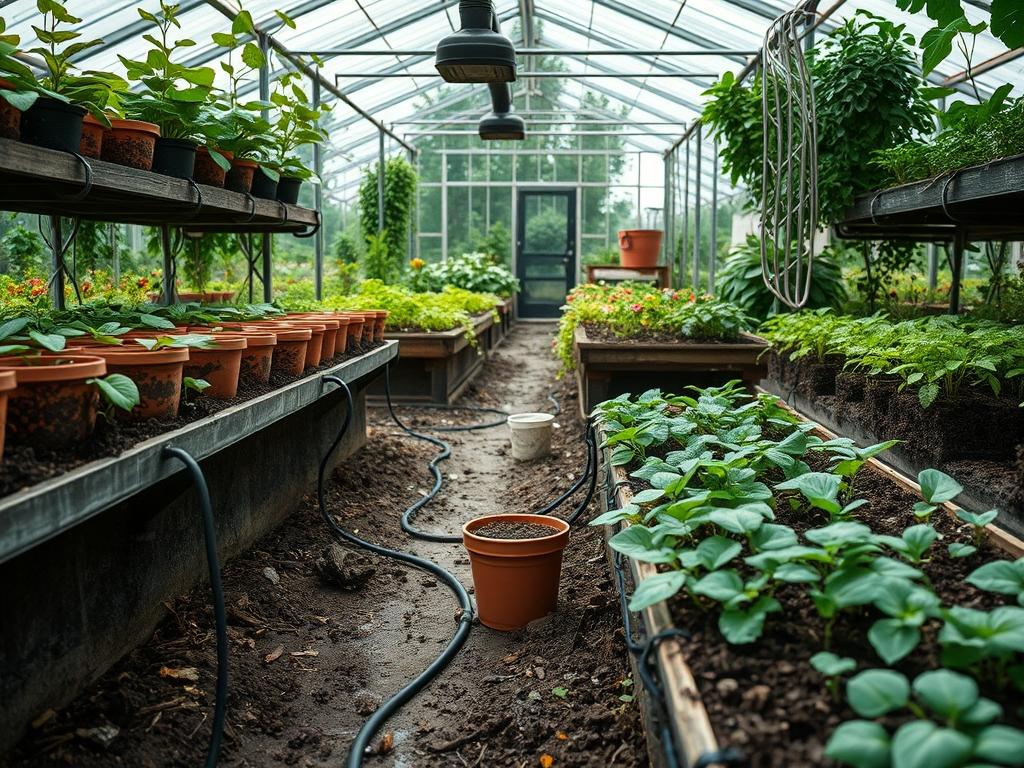
The success of a landscape design is often judged by its immediate visual impact, yet the longevity of that beauty depends entirely on what occurs beneath the surface grade. When we approach a professional installation, we are managing a complex biological system where the soil serves as the foundation for the entire outdoor living environment. Modern landscaping faces significant challenges, ranging from extreme climate shifts to the compacted soils typical of new residential construction. These environments often lack the microbial diversity necessary for plants to thrive without constant chemical intervention. By understanding mycorrhizal fungi benefits, landscape architects can design resilient systems that require fewer resources while offering superior curb appeal. These fungi form a symbiotic relationship with plant roots, creating a massive secondary root system that mines the soil for nutrients and water that the plants cannot reach on their own.
Efficiency in a garden layout is not just about the placement of natural stone pavers or the selection of ornamental grasses. It is about ensuring that every specimen, from a towering Quercus alba to a delicate groundcover, has the biological support it needs to handle environmental stress. A plant with a healthy mycorrhizal network is significantly more drought-tolerant and disease-resistant. This translates to lower replacement costs and more sustainable maintenance schedules. In professional consulting, we prioritize these underground networks to ensure that our focal points remain vibrant throughout the growing season. Cultivating this hidden architecture is the most effective way to turn a struggling backyard into a thriving ecosystem that bridges the gap between aesthetic theory and biological reality.
Landscape Design Principles
Professional landscape design relies on a structured hierarchy of visual and functional elements. Symmetry and balance provide the framework, but these must be supported by sound horticultural science. We use focal points, such as a large specimen tree or a custom water feature, to draw the eye and create a sense of destination. However, the visual weight of these elements must be balanced across the site. Elevation layers play a critical role here. By utilizing retaining walls or built-up berms, we create depth and interest in a flat yard. This layering allows us to place low-lying perennials in the foreground while taller shrubs and trees provide a lush backdrop, forming a cohesive green wall.
Irrigation planning must go hand-in-hand with these design choices. A high-efficiency drip irrigation system is far superior to standard spray heads for established plantings because it delivers moisture directly to the root zone without promoting leaf fungus. When we integrate mycorrhizal inoculation into the planting process, we actually improve the efficiency of these irrigation systems. The fungal hyphae aggregate soil particles, improving the soil structure and increasing its water-holding capacity. This means the landscape stays hydrated longer between watering cycles. Walkways should be designed to facilitate flow while protecting these root zones from compaction. Using permeable materials like decomposed granite or loose gravel allows oxygen to reach the soil, which is vital for the aerobic fungi that support the plants.
Plant and Material Selection
| Plant Type | Sun Exposure | Soil Needs | Water Demand | Growth Speed | Maintenance Level |
| :— | :— | :— | :— | :— | :— |
| Buxus sempervirens | Full to Part Sun | Well-Drained | Moderate | Slow | Medium |
| Echinacea purpurea | Full Sun | Sandy/Loamy | Low | Fast | Low |
| Acer palmatum | Dappled Shade | Rich, Acidic | Moderate | Slow | High |
| Panicum virgatum | Full Sun | Any | Low | Fast | Low |
| Hydrangea macrophylla | Part Shade | Moist/Rich | High | Medium | Medium |
| Taxus baccata | Shade to Sun | Well-Drained | Low | Slow | Low |
Implementation Strategy
The transition from a design plan to a physical landscape requires a precise implementation strategy. We begin with a thorough survey of the existing site to determine the 1 percent grade necessary for proper drainage. Without correct grading, water will pool against the foundation or drown the root systems of expensive nursery stock. Once the rough grade is established, we mark out the beds and hardscape areas using marking paint and transit levels. This is the stage where we address soil compaction. We often use a tiller or broadfork to loosen the soil to a depth of 12 inches, incorporating organic compost to restore soil structure.
During the planting phase, the mycorrhizal fungi benefits are maximized by applying the inoculant directly to the root ball. As we dig each hole, usually twice the width of the container but no deeper than the root flare, we sprinkle a high-quality mycorrhizal powder or granular inoculant on the roots. This ensures immediate contact. When backfilling, we avoid over-firming the soil with our feet, as this can crush the delicate hyphae and prevent air exchange. Instead, we use a garden hose to settle the soil around the roots. Finally, we apply a 3-inch layer of hardwood mulch or pine bark nuggets. This mulch maintains soil moisture and provides the carbon source that many beneficial fungi need to colonize the area effectively.
Common Landscaping Failures
The most frequent failure in residential landscaping is improper drainage. When water sits in the root zone, it deprives the plant of oxygen and creates an anaerobic environment that kills beneficial mycorrhizae. This leads to root rot and eventual plant death. Another common mistake is root overcrowding. Designing for the size of the plant at the time of purchase, rather than its size at maturity, results in a choked landscape where plants compete for limited resources. Proper spacing is non-negotiable for long-term health. We also frequently see soil compaction caused by heavy machinery during the construction phase. Plants simply cannot extend their roots through soil that has the density of concrete.
Improper irrigation and over-fertilization are equally destructive. High-phosphorus fertilizers can actually inhibit the formation of mycorrhizal relationships because the plant finds it easier to take up the excess synthetic nutrients in the short term, but it loses the long-term protection the fungi provide. Furthermore, setting irrigation timers to run daily for short bursts encourages shallow root growth. We recommend deep, infrequent watering that encourages the roots to dive deep into the soil profile. Finally, the “volcano mulching” technique, where mulch is piled against the trunk of a tree, must be avoided. It traps moisture against the bark, leading to rot and pest infestations, while also preventing the root flare from breathing.
Seasonal Maintenance
Seasonal management ensures the landscape matures gracefully. In the spring, the focus is on cleanup and preparation. We remove any debris from the winter, prune dead wood with bypass loppers, and apply a fresh layer of mulch if needed. It is also an excellent time to add more beneficial microbes if the soil was disturbed. As we move into summer, the priority shifts to moisture management. Monitoring the soil moisture meter ensures that the landscape survives peak heat. The mycorrhizal networks are most active now, helping the plants scavenge for deep-seated water during dry spells.
Autumn is the season for planting and root development. The soil is still warm, but the air is cool, which reduces transplant shock. This is the ideal time to install new trees and shrubs, as the fungi have several months to establish a connection before the ground freezes. We also recommend leaving some leaf litter in the beds to provide organic matter for the soil food web. In winter, the goal is protection. We use burlap wraps for sensitive species and ensure that the irrigation system is properly winterized with a compressed air blowout. Even though the plants are dormant, the mycorrhizal fungi remain in the soil, protecting the roots from extreme cold and preparing for a vigorous spring flush.
Professional Landscaping FAQ
What are the primary mycorrhizal fungi benefits?
These fungi extend the reach of root systems, significantly improving water absorption and nutrient uptake. They enhance soil structure, increase drought resistance, and protect plants from certain soil-borne pathogens. This leads to faster growth and better overall survival rates in harsh conditions.
How do I apply mycorrhizal inoculant to existing plants?
For established plants, you can use a soil probe or auger to create several holes around the drip line. Pour the granular inoculant into these holes so it can reach the root zone. Watering thoroughly after application helps the spores migrate down.
Will synthetic fertilizers harm the beneficial fungi?
High-concentration synthetic fertilizers, particularly those high in phosphorus, can suppress fungal colonization. The plant may stop providing sugars to the fungi if it is overwhelmed by easy synthetic nutrients. Use organic, slow-release fertilizers to maintain a healthy biological balance.
How often do I need to reapply mycorrhizal fungi?
Generally, a single successful inoculation lasts the lifetime of the plant as long as the soil remains healthy. If you use heavy fungicides, till the soil extensively, or experience a major flood, you may need to re-apply to restore the population.
Can I use any mulch with mycorrhizal fungi?
Arborists recommend coarse wood chips or shredded hardwood mulch. These materials break down slowly and provide the carbon necessary for fungal health. Avoid dyed mulches or rubber alternatives, as they do not support the biological activity needed for a thriving rhizosphere.