
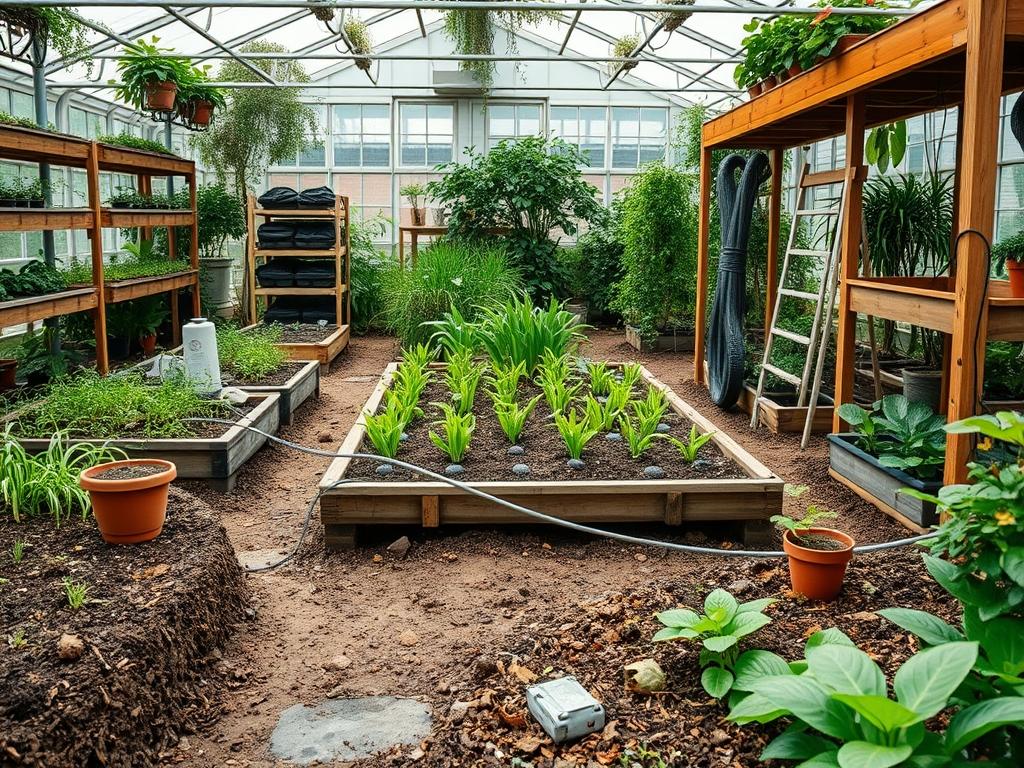
The architectural integrity of a sustainable landscape often relies on the marriage of form and function; nowhere is this more evident than in the construction of a high yield keyhole garden. Originally developed to combat soil erosion and water scarcity in arid climates, this circular raised bed system has become a hallmark of modern permaculture design. The keyhole garden is shaped like a circle with a radius of approximately 3 feet, featuring a wedge shaped cutout that allows the gardener to access a central composting basket. This design creates a self fertilizing and self watering ecosystem where the Keyhole Garden Core Mix acts as the engine for the entire structure. From a landscape consultant’s perspective, these gardens provide significant curb appeal through their stacked stone or cedar walls, while simultaneously offering a practical solution for homeowners seeking localized food security.
Designing these installations requires a deep understanding of site topography and microclimates. Unlike traditional flat rows, a keyhole garden utilizes vertical space to maximize yields per square foot. The central basket, usually constructed from Hardware Cloth or Chicken Wire, is the heart of the system. This is where kitchen scraps and gray water are deposited to break down into nutrient rich liquid fertilizer. As these materials decompose, they seep into the surrounding soil, creating a gradient of fertility that moves from the center toward the perimeter. Successful implementation depends on the precise calibration of the internal layers to ensure that drainage is maintained despite the constant addition of organic matter.
Landscape Design Principles
Symmetry and visual balance are the cornerstones of a well planned keyhole garden. In a larger backyard layout, these structures function as primary focal points, often anchored by a surrounding path made of Decomposed Granite or Flagstone. The circular geometry provides a soft contrast to the rigid lines of property fences or home foundations. To achieve a professional aesthetic, landscape architects often use a principle called elevation layering. This involves building the garden walls to a height of 24 inches to 36 inches, which not only prevents back strain during harvest but also creates a dramatic physical presence in the landscape.
Irrigation planning is simplified by the keyhole design, but it must be integrated into the initial grading of the land. The ground beneath the garden should be leveled perfectly to prevent internal soil migration. If the site has a natural slope, a small Retaining Wall made of Limestone or Fieldstone may be necessary to create a terrace. By placing the keyhole garden near a kitchen entrance or an outdoor living area, the designer ensures the structure remains a functional part of the daily routine rather than a forgotten corner of the lot. Walkways leading to the wedge entry should be at least 30 inches wide to accommodate a wheelbarrow or a person carrying harvest baskets, ensuring that the utility of the space matches its visual appeal.
Plant and Material Selection
Selecting the right components for the garden bed and the central basket determines the longevity of the system. The following table outlines the best plant choices and soil components for a high yield environment.
| Plant Type | Sun Exposure | Soil Needs | Water Demand | Growth Speed | Maintenance Level |
| :— | :— | :— | :— | :— | :— |
| Lacinato Kale | Full to Part Sun | High Organic | Medium | Fast | Low |
| Nantes Carrots | Full Sun | Sandy Loam | High | Medium | Medium |
| Genovese Basil | Full Sun | Rich, Moist | Medium | Very Fast | Low |
| Swiss Chard | Full to Part Sun | Balanced pH | Medium | Fast | Low |
| Cherry Tomatoes | Full Sun | Heavy Feeders | High | Fast | High |
| Red Radishes | Full to Part Sun | Loose Soil | Medium | Very Fast | Low |
For the Keyhole Garden Core Mix, materials should include a base of Coarse Gravel for drainage, followed by alternating layers of Brown Carbon (dried leaves or shredded cardboard) and Green Nitrogen (fresh grass clippings or vegetable scraps). The planting area outside the basket requires a blend of Topsoil, Peat Moss, and Perlite to maintain a light, airy structure that resists compaction over several seasons.
Implementation Strategy
The construction process begins with a clear marking of the site using Twine and a Stakes. Once the 6 foot diameter circle is established, the gardener must excavate the top 4 inches of turf to expose the mineral soil. This ensures better contact between the garden layers and the earth. The central basket, typically 12 inches in diameter and 4 feet tall, is placed in the center and anchored with Rebar. The chosen wall material, such as Cedar Planks or Stacked Brick, is then built up around the perimeter, leaving the walkway gap open for access.
Filling the garden is where the Keyhole Garden Core Mix strategy becomes vital. A technique similar to lasagna gardening is used, but with a specific slope. The layers should be higher near the central basket and slope gently downward toward the outer walls at an angle of roughly 5 degrees. This utilizes gravity to help distribute the moisture and nutrients that leach out of the compost basket. The bottom layer should consist of Branch Trimmings and Cardboard to provide long term aeration. Above this, a thick layer of Leaf Mold or Compost is added. The final 12 inches of the bed consists of a high quality growing medium.
Edging around the exterior of the garden is not just for looks; it acts as a barrier against invasive turf grasses. A 4 inch deep trench filled with Pine Bark Mulch or River Rock provides a clean finish and prevents mower damage to the garden walls. Drainage holes must be included at the base of the wall every 18 inches to prevent water from pooling at the bottom of the soil column. This ensures that the oxygen levels remain high, which is essential for the aerobic bacteria that power the decomposition process in the core.
Common Landscaping Failures
The most frequent mistake in keyhole gardening is poor drainage at the base of the central basket. If the Keyhole Garden Core Mix becomes waterlogged, it will shift from aerobic decomposition to anaerobic fermentation. This creates an unpleasant odor and can introduce pathogens to the root systems of the surrounding plants. Always use a generous layer of River Rocks or Broken Pottery at the very bottom of the central basket to facilitate water movement into the surrounding soil.
Another common failure point is improper plant spacing. Because the soil is so nutrient dense, many gardeners tend to overcrowd the bed. This leads to poor air circulation, which invites powdery mildew and pest infestations. For example, Tomato plants should be kept at least 24 inches apart even in a high yield system. Soil compaction is another risk, especially if the gardener leans into the bed. The keyhole design is specifically intended to prevent this by keeping all areas within arm’s reach from the center path. If the soil does settle significantly, avoid tilling it; instead, add another layer of Screened Compost to the top to maintain the soil height.
Seasonal Maintenance
Maintenance for a keyhole garden follows the rhythm of the seasons. In the spring, the primary task is revitalizing the Keyhole Garden Core Mix. The central basket should be emptied of finished compost, which is then spread across the surface of the planting bed. Fresh Cardboard can be placed at the bottom of the basket to start the new cycle. This is also the time to check the structural integrity of the walls, especially if using Pressure Treated Lumber or Stone, to ensure no shifting occurred during winter thaws.
Summer focuses on moisture management. During extreme heat, the central basket should be watered directly every morning. This pushes cool, nutrient rich water into the root zones of the plants. In the autumn, after the final harvest of Peat Peppers or Bush Beans, the bed should be cleared of spent foliage to prevent disease. A thick layer of Straw Mulch should be applied to protect the soil microbes from freezing. Winter represents a period of rest for the garden, though the central basket can still receive kitchen scraps as long as they are not frozen. This continuous feeding prepares the garden for a vigorous start the following season.
Professional Landscaping FAQ
How often should I add scraps to the central basket?
You should add material whenever you have kitchen waste. Consistent small additions are better than large infrequent dumps. This maintains a steady nutrient flow through the Keyhole Garden Core Mix to the surrounding plant roots.
Can I build a keyhole garden on a concrete patio?
Yes, but you must ensure the base is elevated and has a drainage system. Use a Landscaping Fabric liner and a thick layer of Gravel at the bottom to allow excess water to escape without staining the patio.
What is the best material for the central basket?
Hardware Cloth with a half inch mesh is the professional choice. It is sturdy enough to hold the weight of the compost while providing enough surface area for water and worms to move freely into the soil bed.
How do I prevent the soil from drying out on the edges?
Apply a 2 inch layer of Shredded Cedar Mulch over the entire surface of the bed. This insulates the soil and prevents evaporation, which is especially important for the plants located furthest from the central watering basket.
Will the central basket attract pests or rodents?
If you maintain a proper balance of Browns and Greens, the core will stay aerobic and lose most odors. Using a secure lid made of Plywood or heavy mesh will deter rodents and keep the composting process efficient.