
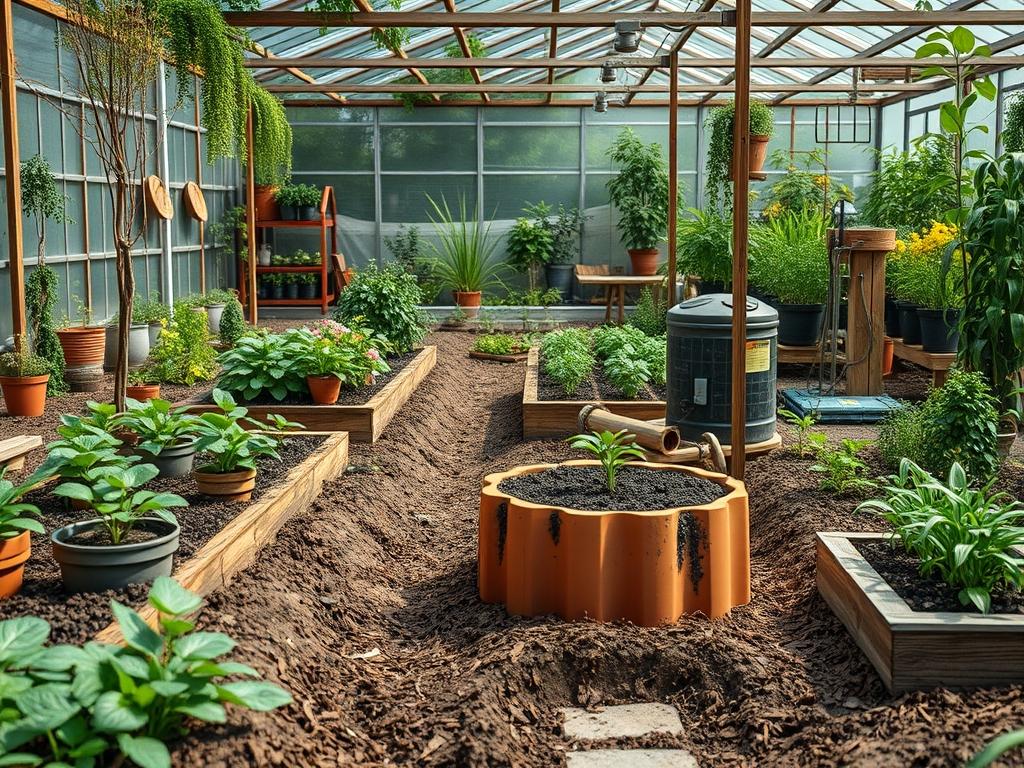
Managing water runoff is one of the most critical challenges in professional landscape architecture. When a property experiences heavy rainfall, the integrity of the soil, the health of the turf, and even the stability of the home foundation are at risk. A yard that cannot effectively process stormwater often suffers from soil erosion, nutrient leaching, and unsightly stagnant pools that diminish curb appeal. While surface level solutions like swales can help, a more sophisticated approach involves subterranean management. Dry Well Construction is a premier solution for redirecting excess water into the ground, ensuring that outdoor living spaces remain functional and aesthetically pleasing regardless of the season. By integrating a dry well into your landscape design, you create a dedicated infiltration point that captures runoff from roof gutters or high elevation points and slowly releases it back into the water table. This process mimics natural hydrology, preventing the saturation that leads to fungal diseases in lawn grasses and the compaction of garden beds.
Landscape Design Principles
Effective landscaping requires a harmonious marriage between form and function. When planning for drainage, we must consider the principles of elevation and grading. Every outdoor environment should have a focal point, but it must also have a clear path for water to travel. Symmetry in a garden is often disrupted by uneven water distribution; one side of a walkway may be lush while the other is perpetually muddy. By utilizing elevation layers, a landscape architect can hide a dry well beneath a decorative feature or a manicured lawn, maintaining visual balance while solving a technical deficit.
Walkways and hardscaping should be designed with a slight pitch, typically a two percent grade, to direct water toward the catchment area. Irrigation planning is another vital component. A well designed drainage system works in tandem with your sprinklers, ensuring that supplementary watering does not exacerbate existing runoff issues. The goal is to create a landscape where the structural elements, such as retaining walls and stone paths, define the space while the hidden infrastructure of the dry well prevents the accumulation of hydrostatic pressure against those very structures.
Plant and Material Selection
Selecting the right plants and materials is essential for the longevity of a drainage project. The area surrounding a dry well should be populated with species that can tolerate occasional wet feet but also thrive in standard conditions.
| Plant Type | Sun Exposure | Soil Needs | Water Demand | Growth Speed | Maintenance |
| :— | :— | :— | :— | :— | :— |
| River Birch | Full Sun | Moist, Acidic | High | Fast | Medium |
| Cardinal Flower | Partial Shade | Humus Rich | High | Moderate | Low |
| Switchgrass | Full Sun | Sandy/Clay | Moderate | Fast | Low |
| Canna Lily | Full Sun | Well Drained | Moderate | Fast | Medium |
| Sedge (Carex) | Shade/Sun | Varied | Medium | Moderate | Low |
| Blue Flag Iris | Full Sun | Boggy/Moist | High | Moderate | Medium |
For the construction materials, always prioritize durability. Clean Crushed Stone or River Rock serves as the primary filter medium, while Professional Grade Geotextile Fabric is used to prevent soil from clogging the drainage core.
Implementation Strategy
The process of Dry Well Construction begins with a thorough site analysis. You must determine the lowest point of the runoff path, ensuring it is at least ten feet away from any building foundations to prevent basement seepage. Once the location is identified, the excavation phase begins. A standard residential dry well typically requires a hole approximately 4 feet wide and 4 feet deep, though the size depends on the volume of runoff from the contributing square footage of your roof or patio.
After excavation, line the interior of the pit with Filter Fabric. This step is nonnegotiable; without it, fine sediment will eventually fill the voids between your stones, rendering the well useless. Install a 4 inch perforated PVC pipe from the source of the runoff, such as a downspout or a catch basin, into the top of the pit. Fill the cavity with 1.5 inch to 3 inch diameter washed stone. This size provides ample void space for water storage. For a more robust system, you may insert a pre-manufactured structural dry well tank, which increases the holding capacity significantly compared to a stone-only pit.
Once the stone or tank is in place, fold the excess fabric over the top. Add a final layer of stone, then cover with a few inches of topsoil and turf. This “invisible” installation ensures that your backyard remains a seamless vista, with no industrial eyesores to distract from your garden beds or outdoor kitchen. Proper edging around the drainage area will prevent mulch from washing into the system, further protecting the infiltration rate.
Common Landscaping Failures
The most frequent mistake in yard drainage is improper grading. If the slope of the land is not meticulously calculated, water will bypass the dry well and pool in low spots, causing soil compaction. Compaction is a silent killer of landscapes; it squeezes the air out of the soil, making it impossible for roots to breathe or for water to penetrate. This leads to root overcrowding in the few remaining healthy patches of soil, resulting in stunted growth and plant death.
Another common failure involves the use of incorrect materials. Using “run of crush” or stone that contains fine particles will trigger an immediate failure of the capillary action needed for the well to drain. Furthermore, many DIY projects neglect the installation of an overflow valve. During an extraordinary storm event that exceeds the capacity of the dry well, the water must have a safe path to exit. Without an overflow, the water will back up the pipe, potentially damaging the gutters or the foundation. Lastly, improper spacing between large trees and drainage lines can lead to root intrusion, where thirsty roots find their way into the perforated pipes and block the flow of water entirely.
Seasonal Maintenance
A dry well is a long term investment that requires minimal but specific seasonal attention. In the spring, inspect the catch basins and the ends of the downspouts that feed into the well. Clear out any organic debris, such as leaf mulch or twigs, that accumulated over the winter. This ensures that the first heavy spring rains can flow freely into the system.
During the summer, monitor the turf or plants directly above the well. If the grass is browning faster than the rest of the lawn, it may indicate that the soil layer above the well is too thin and drying out quickly. In autumn, the priority shifts to leaf management. Use a high quality Leaf Vacuum or rake to keep the drainage grates clear. If leaves are allowed to decompose over the intake points, a thick mat of organic matter will form, preventing water entry.
In winter, the primary concern is ice. In colder climates, ensure that the intake pipes are buried below the frost line, or at the very least, have a significant slope to prevent standing water from freezing inside the line. A frozen pipe will cause runoff to “daylight” at the nearest opening, often resulting in ice dams on your lawn or walkways, which creates a significant safety hazard.
Professional Landscaping FAQ
How deep should a dry well be for standard yard runoff?
A typical residential dry well is excavated to a depth of 4 feet. This depth allows for a significant volume of Clean Crushed Stone while remaining manageable for manual excavation and staying above common water tables in most residential zones.
Can I build a dry well near my home foundation?
No, a dry well should be located at least 10 feet away from any foundation. Positioning it closer risks saturating the soil near the footings, which can lead to structural instability or hydrostatic pressure causing basement leaks.
What is the best stone to use for drainage?
Use 1.5 inch washed river rock or crushed granite. Avoid any stone mixes that contain “fines” or dust, as these particles will settle at the bottom and create an impermeable layer that prevents water from infiltrating the subsoil.
How do I know if my dry well is failing?
The most obvious sign of failure is the return of standing water in areas previously cured by the well. If the system takes more than 72 hours to empty after a rain event, the filter fabric or stone is likely clogged.
Does a dry well require a permit?
Regulations vary by municipality. Some local codes classify dry wells as “minor site improvements,” while others require an environmental impact review. Always check with your local building department to ensure compliance with local stormwater management ordinances.