
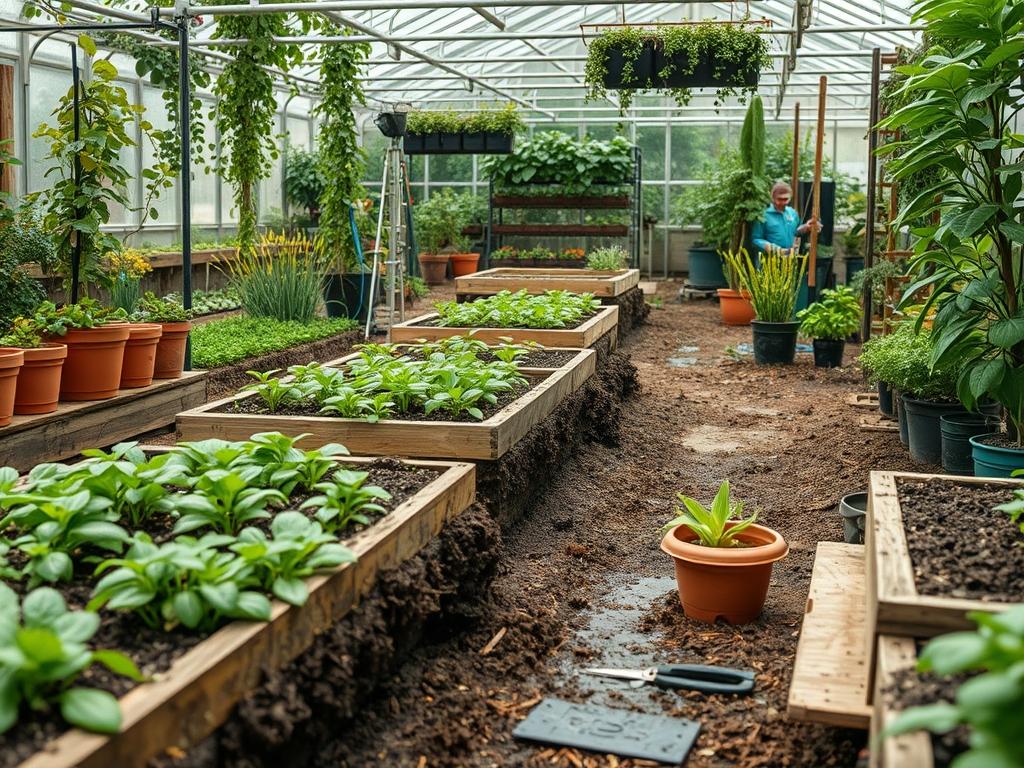
Transforming a neglected urban lot into a vibrant outdoor sanctuary requires more than a keen eye for aesthetics and a penchant for greenery. In the context of city environments, the foundational layer of any landscape project is the soil itself, which often carries the silent legacy of industrial history and architectural decay. For the modern landscape architect, the primary challenge is not merely achieving high curb appeal or optimal functionality, but ensuring the long term health and safety of the inhabitants. Urban soil frequently harbors high concentrations of heavy metals, making Lead and Arsenic Testing a mandatory preliminary step before a single Shovel enters the ground. This process ensures that the proposed outdoor living space is not just beautiful, but also a biophysically safe environment for children, pets, and gardeners alike.
Climate considerations in metropolitan areas often involve the “heat island” effect, where hard surfaces like concrete and asphalt radiate heat, demanding resilient plant selections and sophisticated irrigation strategies. However, the presence of contaminants dictates the physical structure of the garden. If testing reveals elevated levels of Lead from old exterior paints or Arsenic from legacy pesticides and treated timber, the landscape design must pivot from traditional in ground planting to sophisticated raised modular systems or heavy capping techniques. By integrating these safety protocols into the initial planning phase, we harmonize outdoor functionality with environmental remediation, creating a landscape that serves as a protective barrier while enhancing the property value.
Landscape Design Principles
A professional landscape thrives on its underlying geometry and the deliberate manipulation of vertical space. Symmetry and visual balance provide the framework for urban gardens, where limited square footage requires every square inch to perform a specific function. We utilize focal points, such as a high quality Water Feature or a specimen Japanese Maple, to draw the eye away from neighboring structures and into the curated environment. These elements are strategically placed to create a sense of depth and permanence.
Elevation layers are equally critical in a city garden, particularly when dealing with potential soil contaminants. By utilizing Retaining Walls and terraced platforms, we can build upward, adding 6 inches to 24 inches of depth for root systems while effectively sealing off the native, potentially hazardous soil. This verticality adds visual interest and allows for the integration of distinct zones, such as a dining patio or a quiet lounge area.
Irrigation planning must be integrated into the design from the outset, moving beyond simple sprinklers to precise Drip Irrigation systems. This approach minimizes water runoff, which is crucial in contaminated sites where excess water can transport heavy metals into local drainage systems. Walkways and hardscaping elements serve as the circulatory system of the garden; they should be constructed with permeable materials like Crushed Stone or Permeable Pavers to manage stormwater effectively. Visual balance is then achieved by mirroring textures and colors across these walkways, ensuring that the hardscaping and softscaping feel like a singular, cohesive unit.
Plant and Material Selection
Selecting the right biological components is essential for the longevity of the garden. In urban settings, we prioritize species that can withstand fluctuating air quality and variable light conditions.
| Plant Type | Sun Exposure | Soil Needs | Water Demand | Growth Speed | Maintenance Level |
| :— | :— | :— | :— | :— | :— |
| Boxwood | Full Sun to Shade | Well-Drained | Moderate | Slow | Low |
| Lavender | Full Sun | Sandy/Lean | Low | Medium | Moderate |
| Hostas | Full Shade | Organic Rich | High | Medium | Low |
| Silver Maple | Full Sun | Adaptable | Moderate | Fast | Moderate |
| Switchgrass | Full Sun | Any | Low | Fast | Low |
| Coneflower | Full Sun | Loamy | Low | Medium | Low |
For the materials, we emphasize the use of non toxic, durable components. For Raised Beds, specify Western Red Cedar or Composite Lumber that is guaranteed free of Arsenic based preservatives. For the soil media, a blend of Potting Soil, Compost, and Perlite provides the aeration and drainage necessary for containerized growth, bypassing the risks associated with native urban earth.
Implementation Strategy
The implementation of an urban garden begins with a rigorous site assessment. The first step involves physical clearing of debris followed by comprehensive soil sampling for Lead and Arsenic Testing. Samples should be taken from multiple locations at a depth of 6 inches to ensure a representative profile of the site. While waiting for lab results, the grading plan is finalized to ensure that water always flows away from the home foundation and toward designated drainage areas.
Once the safety profile is established, we lay down a heavy duty Geotextile Fabric across the entire planting area. This permeable barrier prevents the roots of new plants from penetrating the contaminated native soil while still allowing for vertical water movement. On top of this fabric, we construct the hardscape elements, including Natural Stone Pavings and Retaining Walls.
Next, we install the Irrigation Submain and lateral lines. This infrastructure is hidden beneath the final layers to maintain a clean aesthetic. We then backfill the planting zones with certified clean fill and high quality Organic Mulch, maintaining a minimum depth of 3 inches to suppress weeds and retain moisture. Finally, the planting occurs, following the spacing requirements specified in the design phase to prevent future overcrowding.
Common Landscaping Failures
The most frequent error in urban landscaping is the failure to address drainage, leading to stagnant water that can concentrate pollutants and drown root systems. Without a proper French Drain or dry creek bed, heavy rains can turn a city garden into a muddy basin. Soil compaction is another significant hurdle; in high traffic areas, the soil becomes as dense as concrete, preventing oxygen and water from reaching the roots. We use an Areator to mitigate this, though in many cases, the use of raised beds effectively bypasses the compaction issue entirely.
Root overcrowding is a failure of foresight. Many homeowners plant for the size of the plant at the nursery, rather than its mature dimensions. A River Birch planted too close to a Retaining Wall will eventually undermine the structural integrity of the stone. Furthermore, improper spacing leads to poor airflow, which encourages fungal diseases in humid urban corridors. Finally, irrigation inefficiencies, such as overwatering or poorly aimed spray heads, can lead to rot and the leaching of nutrients out of the soil, wasting resources and damaging plant health.
Seasonal Maintenance
Landscape management is a year round commitment that evolves with the seasons. In the Spring, the focus is on cleanup and preparation. This involves removing winter debris, inspecting Irrigation Lines for leaks, and applying a fresh 1 inch layer of Compost to planting beds. It is also the ideal time to test the soil pH and re evaluate the need for Lead and Arsenic Testing if new areas of the garden are being disturbed.
Summer maintenance centers on water management and pest control. During heat waves, the Drip Irrigation system should be monitored daily to ensure consistent delivery. Deadheading spent flowers on species like Coneflower or Lavender encourages a second bloom and keeps the garden looking polished.
Autumn is the season for structural maintenance and planting. We prune deciduous trees like the Silver Maple once they enter dormancy and plant spring flowering bulbs. It is also essential to clean out gutters and drainage pipes to prevent winter ice damming. In Winter, the landscape architect’s role shifts to protection. We apply a thicker layer of Wood Chip Mulch over sensitive root zones and use Burlap Wraps to protect young evergreens from harsh winds and salt spray from city sidewalks.
Professional Landscaping FAQ
How often should I conduct Lead and Arsenic Testing?
Testing should be performed before any new construction, after major flooding, or every three to five years if you are growing edible crops. This ensures that no new contaminants have migrated into your active growing zones.
Can I use pressurized wood for my garden beds?
Modern treated wood is generally safer than older versions, but for vegetable gardens, it is best to use Cedar, Redwood, or Food-Grade Plastic. Older lumber often contains Arsenic and should be removed or sealed immediately.
What is the best way to handle poor drainage in a flat city lot?
Installing a Sump Pump or a French Drain is usually necessary. You can also incorporate a rain garden with water loving species like Sedge to naturally filter and absorb excess runoff within your property lines.
How deep should my raised beds be for safety?
For most ornamental plants, 12 inches of clean soil is sufficient. However, if you are growing root vegetables in a site with known Lead issues, a depth of 18 inches to 24 inches is recommended.
Why is mulch so important in contaminated urban areas?
Mulch acts as a physical barrier that prevents contaminated soil dust from becoming airborne or splashing onto the foliage. It also regulates soil temperature and maintains the moisture levels required for a healthy microbial ecosystem.