
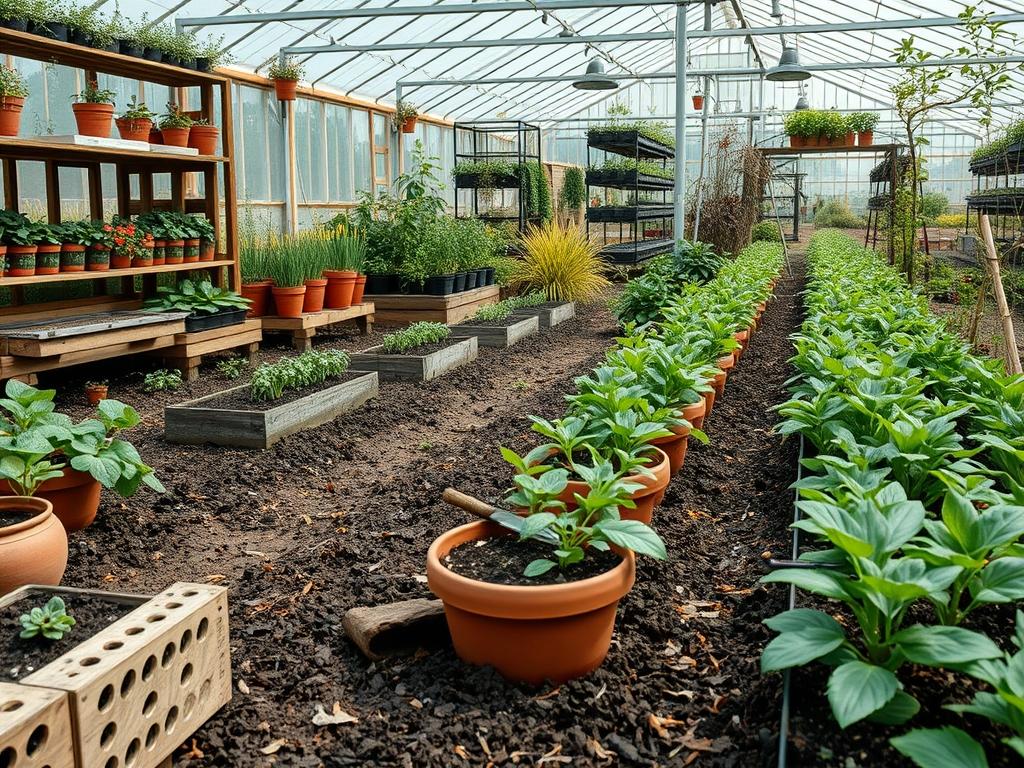
Preserving the structural integrity of a high-end landscape during the freeze-thaw cycles of a northern winter requires more than just aesthetic planning. For property owners in USDA zones 3 through 6, the arrival of the first frost signals a critical period for subterranean protection. Success in cold-climate gardening hinges on the strategic application of Winter Soil Insulation, a technique that stabilizes ground temperatures and protects the delicate root systems of both native and ornamental species. Without these measures, the phenomenon known as frost heaving can physically eject perennials from the earth, while deep-freezing ambient temperatures can kill the microbial life necessary for spring rejuvenation. A professional approach to winterization ensures that the outdoor environment remains functional and visually striking even when the mercury stays below freezing for months at a time.
Proper soil management is a fundamental component of curb appeal. While dormant plants may not offer the vibrancy of summer blooms, a well-insulated garden bed maintains a tidy, intentional appearance throughout the bleakest months. By utilizing professional-grade Mulch, Insulating Blankets, and Natural Bark, a landscape architect can create a landscape that feels structured and cared for. This architectural foresight prevents the messy look of eroded soil and salt-damaged turf. Furthermore, maintaining soil health through the winter reduces the cost and labor required for spring renewals, allowing the landscape to hit its peak performance weeks earlier than unprotected properties.
Landscape Design Principles
A resilient winter landscape begins with the core principles of symmetry and focal points. When the lush foliage of the growing season disappears, the underlying skeleton of the design becomes visible. Professional designers use Evergreen Shrubs and Ornamental Grasses to provide year-round structure. Symmetric placements of Boxwood or Yew hedges act as natural windbreaks, which significantly reduces the rate of soil moisture evaporation and heat loss. These living barriers create a microclimate that benefits smaller, more sensitive plants located in their leeward shadows.
Elevation layers play a crucial role in thermal regulation. By utilizing Retaining Walls and terraced garden beds, designers can manipulate how cold air flows across a property. Since cold air is denser and tends to settle in low-lying areas, elevating sensitive plant beds by even 12 inches can protect them from the literal floor of the frost. These raised structures should be designed with integrated Irrigation Systems that are fully winterized, ensuring that no standing water remains in the pipes to expand and crack the hardware.
Walkways and hardscaping elements serve as heat sinks during the day. Materials like Natural Stone, Dark Pavers, and Concrete absorb solar radiation and slowly release that heat into the adjacent soil during the night. The transition between these hard surfaces and the softscape must be managed with professional Steel Edging or Stone Borders. This creates a physical containment zone for insulating materials, preventing Wood Chips or Straw from spilling onto pedestrian paths and maintaining the visual balance of the outdoor space.
Plant and Material Selection
Selecting the right combination of flora and protective materials is essential for a successful winter strategy. The following table outlines high-performance selections for cold-climate landscapes.
| Plant Type | Sun Exposure | Soil Needs | Water Demand | Growth Speed | Maintenance Level |
| :— | :— | :— | :— | :— | :— |
| Picea abies (Norway Spruce) | Full Sun | Well-drained | Moderate | Fast | Low |
| Cornus sericea (Red Twig Dogwood) | Partial Shade | Moist | High | Moderate | Medium |
| Helleborus (Lenten Rose) | Full Shade | Rich Organic | Low | Slow | Low |
| Juniperus horizontalis (Creeping Juniper) | Full Sun | Sandy/Loam | Low | Moderate | Low |
| Buxus microphylla (Winter Gem Boxwood) | Partial Sun | Neutral pH | Moderate | Slow | Medium |
Implementation Strategy
The process of installing professional-grade Winter Soil Insulation begins with site preparation and Grading. Before any insulating materials are applied, the soil must be graded to ensure that water moves away from the foundations of buildings and the crowns of plants. Stagnant water is the enemy of insulation; saturated soil freezes into a solid block of ice that conducts cold much faster than dry, airy soil. A slope of at least 2 percent is recommended for most garden beds to facilitate proper runoff.
Once the grade is established, the installation of Landscape Fabric or Non-Woven Geotextiles may be appropriate in specific high-traffic areas to prevent soil erosion. However, for most decorative beds, the primary focus is the application of high-quality Organic Mulch. A depth of 3 inches to 4 inches is the industry standard for effective thermal protection. This layer should be composed of Shredded Hardwood Bark, Cedar Chips, or Pine Straw. These materials trap air pockets, which act as the primary insulating medium between the freezing atmosphere and the warm earth.
Proper Edging is the next step in the implementation. Using Aluminum Edging or Treated Timber, the borders of the planting zones are reinforced to hold the insulation in place against winter winds and heavy snow loads. In high-wind areas, professionals often use Burlap Wraps or Twine to secure the insulation and protect the upright structure of the plants. Integrating Drainage Tiles or a French Drain beneath the soil surface can further enhance the system by preventing the buildup of hydrostatic pressure during sudden winter thaws.
Common Landscaping Failures
One of the most frequent mistakes in cold-climate landscaping is the phenomenon known as the mulch volcano. This occurs when Mulch is piled too high against the trunk of a tree or the base of a shrub. This practice traps moisture directly against the bark, leading to rot and providing a cozy environment for rodents to chew on the plant during the winter. Insulation should be spread like a donut, leaving the area immediately surrounding the stem clear to allow for gas exchange.
Another significant failure is Soil Compaction caused by heavy winter equipment or excessive foot traffic on frozen ground. When soil is compacted, the pore spaces that hold air and water are crushed, destroying the soil structure and limiting the effectiveness of any insulation applied on top. Furthermore, Irrigation Inefficiencies often arise when systems are not drained properly before the first hard freeze. Residual water in the lines can burst PVC Pipes, leading to expensive repairs in the spring and potential soil saturation issues that compromise plant health.
Improper spacing is also a common pitfall. When plants are overcrowded, their root systems compete for the limited thermal energy retained in the soil. Professional design requires calculating the mature width of each Root Ball to ensure that there is enough soil volume around each plant to provide an adequate thermal buffer. Without this space, the roots are more susceptible to the rapid temperature fluctuations that characterize the late winter and early spring months.
Seasonal Maintenance
Landscape management is a year-round commitment that changes with the light and temperature. In the Spring, the primary goal is the gradual removal of excess Winter Soil Insulation. As the ground thaws, layers of Straw or Heavy Mulch should be thinned out to allow the soil to warm up and to prevent mold growth. This is the time to inspect Retaining Walls for any damage caused by frost heaving and to clear Drainage Vents of debris.
During the Summer, maintenance shifts to moisture retention and nutrient delivery. The remaining Mulch helps keep the soil cool during heatwaves, but it should be supplemented with Compost to feed the soil microbes. Regular checks of the Irrigation System ensure that plants are not stressed before they head into the next dormant cycle. Autumn is the most labor-intensive period for winter prep. This involves the final application of Fertilizer, the planting of new Cold-Hardy Perennials, and the re-application of Insulating Materials once the ground has cooled but before it has frozen solid.
In Winter, the landscape architect monitors the snow load and the integrity of the physical barriers. Heavy snow can actually act as a supplemental layer of Winter Soil Insulation, but it must be managed carefully to ensure it does not collapse delicate branches. If a mid-winter thaw occurs, it is vital to check that Drainage Channels are clear, as refreezing water can create dangerous ice lenses that damage both the plants and the hardscape.
Professional Landscaping FAQ
What is the best material for winter insulation?
Shredded Hardwood Bark is excellent because it interlocks and stays in place during high winds. Pine Straw is another professional favorite for acid-loving plants, providing great air circulation while maintaining a consistent ground temperature throughout the freezing months.
How deep should mulch be for winter protection?
For maximum effectiveness, maintain a depth of 3 inches to 4 inches. Applying less than this may not provide enough thermal mass, while applying more than 5 inches can suffocate the root system and prevent necessary moisture from reaching the soil.
When should I apply winter insulation layers?
Wait until the first light frost has occurred but before the ground is frozen solid. This timing ensures the plants have entered dormancy, but the Winter Soil Insulation will trap the residual heat currently stored within the earth for a longer period.
Does snow act as a natural soil insulator?
Yes, light and fluffy snow contains trapped air that provides significant thermal protection. However, you should not rely on it exclusively, as periods of wind or unexpected thaws can remove this layer, leaving your Native Plants exposed to extreme cold.
Should I water my garden during the winter?
If the ground is not frozen and there has been no precipitation, a light watering can help. Moist soil holds heat better than bone-dry soil. However, avoid watering if a deep freeze is predicted within the next 24 hours.