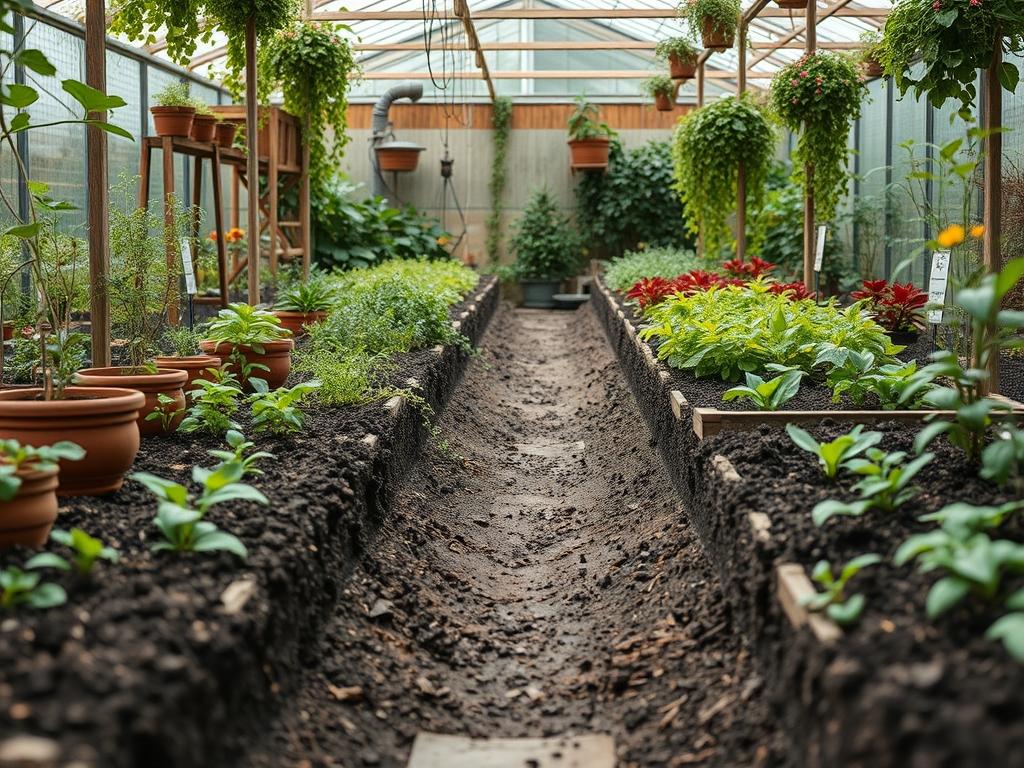
Heavy clay regions present a unique set of obstacles for the modern landscape architect. While these soils are high in mineral content and nutrient density, their tendency to form a dense surface barrier, known as soil crusting, creates a hostile environment for both ornamental and functional vegetation. This phenomenon occurs when the physical impact of raindrops or high-pressure overhead irrigation breaks down soil aggregates, causing fine silt and clay particles to settle into a thin, impermeable sheet. When this layer dries, it hardens into a porcelain-like seal that effectively suffocates the root zone. For a homeowner, this translates to poor curbside aesthetics, standing water, and high plant mortality rates. Successfully navigating these conditions requires a shift from traditional gardening to a systematic architectural approach that prioritizes surface texture, drainage, and long term structural soil health.
The impact of soil crusting extends beyond mere plant health; it directly influences the functionality of the outdoor living space. A crusted surface leads to significant runoff, which can erode slopes and undermine the structural integrity of Retaining Walls or Hardscape Footings. From a landscape consultant’s perspective, the goal is to create a resilient environment where water infiltrates the profile rather than sheeting across it. This requires a sophisticated understanding of soil physics and a commitment to maintaining a permeable surface year round. By preventing the seal from forming, we ensure that the investment in high quality plant material and architectural features is protected against the erratic weather patterns common in heavy clay climates.
Landscape Design Principles
Effective landscape design in clay-heavy regions begins with a focus on elevation and water movement. Symmetry in these environments is not just a visual choice but a functional one. By using Raised Garden Beds or mounds, architects can create focal points that are physically elevated above the problematic native soil. These elevated zones allow for the introduction of engineered soil mixes that do not crust, providing a safe harbor for sensitive species. When designing these layers, ensure the transition between the raised area and the native clay is graded at a slope no steeper than a 3:1 ratio to prevent erosion while maintaining a clear visual hierarchy.
Irrigation planning must move away from high-impact spray heads toward low-volume Drip Irrigation systems. High-intensity water droplets are a primary driver of soil crusting; they act like tiny hammers that shatter soil structure. A professional layout will utilize subsurface drip lines buried beneath a layer of mulch, delivering moisture directly to the root zone without ever disturbing the surface particles. Furthermore, walkways should be integrated using Permeable Pavers or a thick layer of Crushed Aggregates set over a Geotextile Fabric. This prevents the compaction that often accompanies foot traffic on clay, which would otherwise exacerbate the crusting problem.
Visual balance is achieved by layering plant heights and textures to shield the soil surface. A well-designed canopy, consisting of trees, shrubs, and groundcovers, acts as a multi-tiered umbrella. This biological shield intercepts rainfall, slowing the velocity of water before it reaches the ground. By placing a Focal Point Tree like a River Birch in a strategic location, you not only provide a vertical anchor for the design but also create a wide zone of protected soil. The goal is to minimize the amount of bare earth exposed to the elements, as exposed clay is the most susceptible to hardening and cracking.
Plant and Material Selection
| Plant Type | Sun Exposure | Soil Needs | Water Demand | Growth Speed | Maintenance Level |
| :— | :— | :— | :— | :— | :— |
| Echinacea purpurea | Full Sun | Adaptable Clay | Moderate | Fast | Low |
| Panicum virgatum | Full Sun/Part Shade | Most Soil Types | Low to Moderate | Medium | Low |
| Baptisia australis | Full Sun | Deep Clay Loam | Low (Drought Tolerant) | Slow to Medium | Low |
| Viburnum dentatum | Full Sun/Part Shade | Moist Clay | Moderate | Fast | Medium |
| Carex pensylvanica | Part Shade/Shadow | Consistent Clay | Moderate | Medium | Low |
| Cornus sericea | Full Sun/Part Shade | Wet Clay | High | Fast | Medium |
Implementation Strategy
The first step in any heavy clay project is professional grading. A site should be engineered to have a minimum 2 percent slope away from all residential structures and hardscaping. If the land is flat, use a Mini Excavator to create gentle swales that direct water toward a French Drain or a designated rain garden. Once the skeleton of the landscape is established, the focus shifts to soil modification. Rather than tilling the entire area, which can destroy existing soil aggregates and lead to worse crusting, professionals recommend “top-dressing.” Apply a 3 inch layer of High Quality Compost or Leaf Mold directly over the clay.
Next, install Steel Edging or Stone Borders to define the planting beds. This provides a clean line for the eye and acts as a physical barrier to keep mulch in place. The choice of mulch is critical in soil crusting prevention. Use Arborist Wood Chips or Coarse Pine Bark rather than fine-textured shredded hardwood. The larger pieces create a complex, interlocking mat that allows air to circulate while diffusing the energy of falling water. The mulch layer should be maintained at a consistent 3 to 4 inch depth at all times.
For hardscaping elements, ensure that the base material consists of Open Graded Aggregate rather than a sand base. Sand can mix with clay particles over time to create a substance resembling low-grade concrete, which is nearly impossible to remediate without full excavation. By using a No-Fines Stone Base, you maintain a reservoir for water to sit and slowly percolate into the clay subgrade without causing surface saturation. This structural approach ensures the longevity of the landscape and prevents the cycles of shrinking and swelling that often crack pavements in clay regions.
Common Landscaping Failures
One of the most frequent mistakes in clay regions is the “Bathtub Effect.” This occurs when a contractor digs a hole in heavy clay, fills it with loose, organic potting soil, and plants a tree. The surrounding clay acts as an impermeable container, holding water in the hole until the roots rot. To avoid this, the planting hole should be dug twice as wide as the root ball but no deeper, and the sides of the hole should be scored with a Pickaxe or Spade to allow roots to penetrate the clay wall.
Another failure is the over-reliance on Gypsum as a silver bullet. While Gypsum can help displace sodium in sodic clays, it does little for compacted, non-sodic clay soils common in many temperate regions. Relying on chemical fixes instead of physical organic amendments leads to a recurring crusting problem. Furthermore, improper spacing of plants often leaves large gaps of bare soil. In clay landscapes, these gaps quickly become hardened “dead zones” where nothing can grow. Implementing a dense, matrix-style planting plan ensures that the root systems overlap, naturally aerating the soil from within.
Lastly, excessive soil compaction during the construction phase is a silent killer. Heavy machinery like Skid Steers should never be operated on wet clay, as this collapses the pore spaces permanently. If compaction has already occurred, a professional should use a Power Aerator or a Broadfork to create vertical channels in the soil before any planting begins. Without these channels, the surface will crust over almost immediately after the first rain, regardless of how much mulch is applied.
Seasonal Maintenance
Spring maintenance in clay regions should focus on gentle aeration and refreshing the organic layer. As the ground thaws, avoid walking on the beds to prevent compaction. Once the soil is workable, use a Hand Fork to lightly break up any minor surface crusting that formed over winter. This is the ideal time to apply a thin layer of Compost Tea or a bio-stimulant to encourage the soil microbes that naturally maintain soil structure.
Summer requires vigilant moisture management. The heat can bake clay into a brick-like state very quickly. Check the moisture level beneath the Mulch every week. If the soil feels hard to the touch, it is already starting to crust. Slow, deep watering sessions are more effective than frequent shallow ones. If you notice the mulch has broken down or washed away, replenish it immediately to protect the soil from the intense summer sun.
Autumn is the season for “feeding the crust.” The natural drop of leaves provides a perfect opportunity to add organic matter. Instead of hauling leaves away, use a Mulching Mower to shred them and spread them over the garden beds. This mimicry of the forest floor provides a slow release of nutrients and a protective barrier against the heavy rains of late autumn and early winter.
Winter management is primarily about protection. Ensure that all irrigation systems are blown out with an Air Compressor to prevent pipe bursts in the expanding clay soil. Avoid using salt-based de-icers on walkways near clay beds, as the sodium will cause the clay particles to disperse and crust even more severely in the spring. Instead, use Sand or Coarse Grit for traction.
Professional Landscaping FAQ
How does mulch prevent soil crusting?
Mulch acts as a shock absorber for raindrops. It breaks the water’s velocity, preventing the physical displacement of clay particles. This keeps the soil surface open and porous for better air and water infiltration into the root zone.
Can I use sand to fix clay soil?
No, adding sand to clay is a common error. Without large amounts of organic matter, sand and clay combine to form a material similar to concrete. It is far more effective to incorporate Compost or Aged Manure.
What is the best tool for breaking an existing crust?
A Scuffle Hoe or a Hand Cultivator works best. The goal is to lightly disrupt the surface seal without digging deep enough to bring dormant weed seeds to the surface or damage the delicate structure of the lower soil.
Do native plants handle clay better?
Yes, Native Plants often have deep, aggressive root systems designed to penetrate dense soils. Species like Prairie Dock or Switchgrass create biological channels that help water move through the clay, naturally reducing the likelihood of surface crusting.
Does overhead watering cause soil crusting?
Yes, high-impact sprinklers mimic heavy rainfall. The force of the water droplets collapses the soil aggregates at the surface. Switching to a Drip System or using Soaker Hoses eliminates this mechanical cause of soil sealing.