
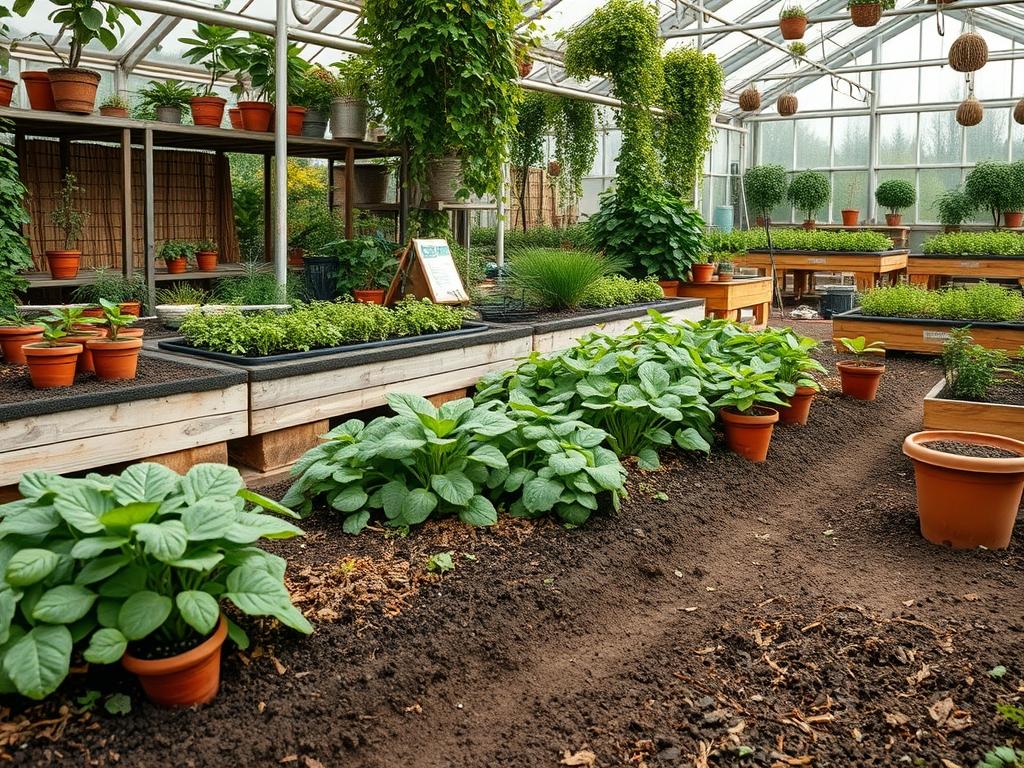
Landscaping represents much more than the surface level arrangement of stone and foliage. It is the architectural integration of living systems that must thrive within a specific climate and topographical context. When property owners invest in curb appeal or outdoor functionality, they often focus on the aesthetic qualities of a Japanese Maple or the structural integrity of a Flagstone patio. However, the long term success of these investments depends entirely on the hidden biological transactions occurring within the top twelve inches of the earth. The relationship between root exudates and microbes functions as the primary economic engine of the soil. Without this partnership, even the most expensive horticultural installations will eventually succumb to stress, disease, or nutrient deficiencies. Understanding this underground synergy allows a landscape architect to build environments that are resilient, self sustaining, and visually stunning.
Root exudates are a complex cocktail of sugars, amino acids, and organic acids that plants actively pump out through their root systems into the surrounding soil, a zone known as the rhizosphere. While it might seem counterintuitive for a plant to expend up to thirty percent of its photosynthetic energy on secreting resources into the dirt, this process is a calculated trade. By releasing these exudates, the plant effectively recruits a diverse army of bacteria and fungi. These microbes, in turn, break down mineral components and organic matter into a form the plant can actually utilize. This biological exchange is the bedrock of soil success because it creates a self reinforcing loop of nutrient availability and moisture retention. When a landscape design honors this cycle, the need for synthetic stabilizers and excessive irrigation diminishes significantly.
Landscape Design Principles
Successful landscape design begins with a rigorous analysis of the site’s existing biological and physical assets. Symmetry and focal points are essential for visual order, but they must be supported by a functional layout that respects the needs of the soil environment. Architects use elevation layers to create depth, placing taller canopy trees like the Oak or Cedar behind mid level shrubs and low lying groundcovers. This layering does more than provide visual balance; it mimics natural forest structures, which optimizes the distribution of root exudates across different soil depths. Diverse root architectures prevent the depletion of specific nutrients and ensure that the microbial populations remain varied and robust.
Irrigation planning must also account for the delicate balance of the rhizosphere. Overwatering can lead to anaerobic conditions that drown beneficial microbes and halt the production of root exudates. Instead of blanket spray systems, a well designed landscape utilizes Drip irrigation with Pressure-compensating emitters to deliver water directly to the root zones where it is needed most. Walkways and hardscaping should be integrated using Permeable pavers or Gap-graded aggregates to ensure that oxygen still reaches the soil beneath. Soil compaction is the enemy of microbial life, so defining clear traffic patterns with structural materials is a vital step in protecting the living components of the yard.
Plant and Material Selection
Selecting the right plant for the right place is the most critical decision in maintaining a healthy microbial ecosystem. Native plants are particularly effective because they have co-evolved with local soil microbes, ensuring a highly efficient exchange of root exudates. The following table outlines several common selections for a professional landscape plan.
| Plant Type | Sun Exposure | Soil Needs | Water Demand | Growth Speed | Maintenance Level |
| :— | :— | :— | :— | :— | :— |
| Native Grasses | Full Sun | Well-drained | Low | Fast | Low |
| Deciduous Shrubs | Partial Shade | Loamy | Medium | Moderate | Medium |
| Perennial Flowers | Full Sun | Organic rich | Medium | Moderate | High |
| Evergreen Trees | Full Sun/Part | Acidic | Low | Slow | Low |
| Groundcovers | Shade | Moist | High | Fast | Low |
In addition to plant life, material selection plays a functional role in soil health. Using Arborist wood chips or Raw cedar mulch provides a slow release source of carbon for fungi, which are essential partners for many woody ornamentals. Avoiding landscape fabric in planting beds is often recommended because it can restrict the movement of organic matter and oxygen, eventually suffocating the microbes that the root exudates are trying to attract.
Implementation Strategy
The transition from a design plan to a physical landscape requires careful execution to avoid damaging the existing soil structure. The first step involves grading the site to ensure proper drainage away from foundations while creating subtle swales to capture and infiltrate rainwater. Once the rough grade is established, designers use Edging tools or Steel bender board to define the borders between turf, garden beds, and hardscaping. This prevents the encroachment of aggressive grasses into sensitive zones where specialized microbial communities are being established.
Before any plants go into the ground, soil should be amended based on a professional lab analysis. The goal is not to saturate the earth with salts but to increase organic matter. Incorporating Finished compost into the top six inches provides a starter fuel for microbes. When planting, the hole should be dug two times wider than the root ball but no deeper. This allows the new roots to spread easily into the aerated soil where they can immediately begin pumping out exudates. Applying a three-inch layer of organic mulch immediately after planting protects the surface from temperature extremes and moisture loss, creating a stable incubator for the underground ecology.
Common Landscaping Failures
Many landscapes fail because they are treated as static objects rather than living systems. A common mistake is improper drainage, where water pools around the root collars of trees. This creates a graveyard for beneficial bacteria and encourages the growth of Phytophthora and other water-borne pathogens that thrive in oxygen-depleted soil. When the microbes die, the plant can no longer access minerals, leading to a slow decline regardless of how much fertilizer is applied.
Another frequent error is root overcrowding. When plants are spaced too closely for an immediate full look, their root systems compete aggressively for space and resources. This stress reduces the production of root exudates, which in turn leads to a crash in the microbial population. Soil compaction from heavy machinery during the construction phase is equally devastating. A compacted soil has no pore space for air or water, effectively locking the microbes out and preventing the carbon cycle from functioning. Finally, over-reliance on high nitrogen chemical fertilizers can make plants lazy. If a plant receives all its nutrients from a bag, it stops producing the exudates that feed microbes, leading to a sterile, fragile environment that requires constant human intervention to survive.
Seasonal Maintenance
Maintenance should be viewed as a continuation of the design process rather than a chore. In the spring, the focus should be on clearing debris and applying a fresh layer of mulch to replenish the carbon sources for microbes as they wake up from winter dormancy. This is also the time for Core aeration in turf areas to alleviate compaction and allow oxygen to reach the rhizosphere. During the summer, monitoring the Irrigation controller is paramount to ensure that the soil stays moist but not saturated. Pruning should be done judiciously to maintain the plant’s photosynthetic capacity, as removing too much foliage reduces the energy available for root exudate production.
As autumn arrives, many landscape professional recommend leaving a portion of the fallen leaves in the beds. This leaf litter acts as a natural fertilizer and provides winter habitat for beneficial insects. Winter is the season for structural pruning and planning for the year ahead. Protecting sensitive root zones from de-icing salts is critical, as sodium can destroy soil structure and kill the microbial life that is essential for spring growth. By maintaining a focus on the health of the soil year-round, the landscape becomes more resilient to pests and extreme weather events.
Professional Landscaping FAQ
How do root exudates improve soil structure?
Exudates feed bacteria that produce sticky substances called biofilms. These biofilms, along with fungal hyphae, bind tiny soil particles into larger aggregates. This creating pores for air and water movement, which prevents compaction and improves plant health.
Can I see microbes in my garden soil?
Individual microbes are microscopic, but you can see the results of their work. Search for white, thread like structures called Mycelium or notice if the soil smells earthy. A rich, dark color usually indicates high microbial activity and organic matter.
Does chemical fertilizer hurt the root exudate cycle?
Heavy use of synthetic fertilizers can disrupt the natural symbiotic relationship. When plants receive nutrients easily, they stop sending sugars to their roots. This starves the microbial community, making the landscape dependent on constant chemical inputs to stay green.
What is the best mulch for microbial health?
Organic mulches such as Double-shredded hardwood, Arborist chips, or Pine bark are best. As these materials decompose, they provide a steady carbon source for microbes. Avoid rubber mulch or dyed chips which offer no biological value to the soil.
How long does it take to restore soil biology?
Restoring a degraded soil system typically takes one to three growing seasons. By adding organic matter, ensuring proper aeration, and using diverse plantings, you can jumpstart the production of root exudates and rebuild a thriving microbial population relatively quickly.