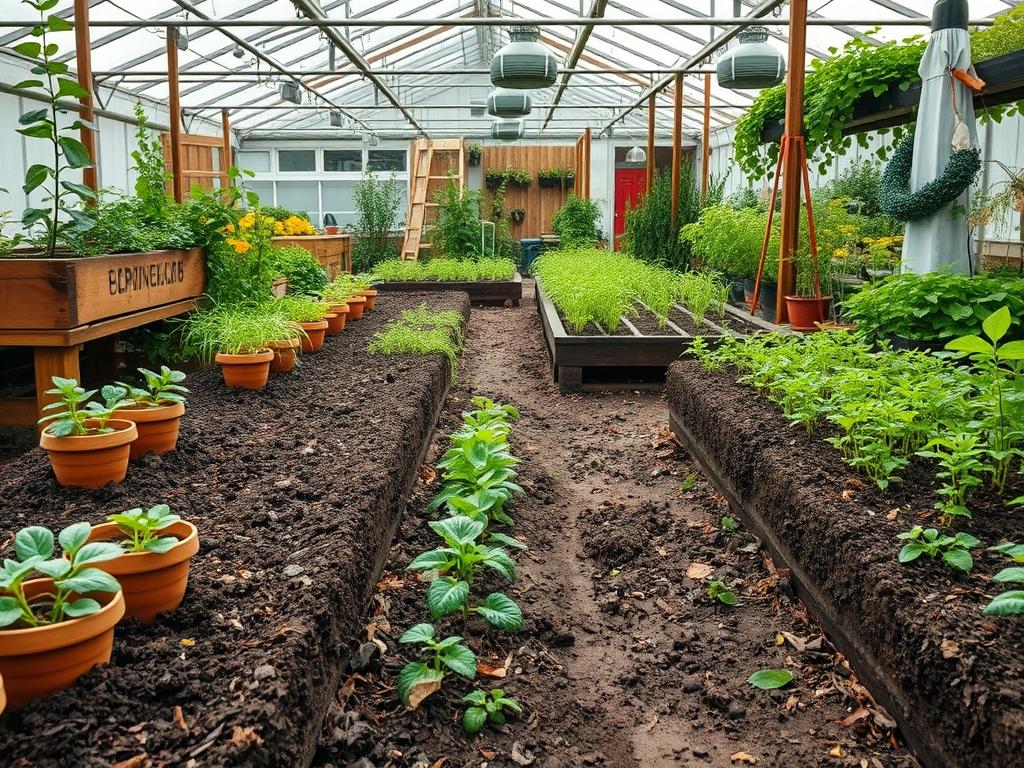
Heavy clay soil often presents a formidable barrier to successful landscape design and long term plant health. Characterized by tiny, flat particles that pack together tightly, clay lacks the necessary pore space for air and water to move freely. When these particles become compacted, the soil turns into a concrete-like substance that restricts root growth and suffocates beneficial microbial life. For a landscape architect, the goal is not to fight the clay through destructive means like intensive tilling, but rather to work with the existing structure to improve its porosity over time. Tilling clay often backfires by destroying the delicate soil aggregates and bringing dormant weed seeds to the surface. It can also create a hardpan layer just below the reach of the tiller blades, which effectively traps water and leads to root rot.
Successful outdoor environments depend on a balance of aesthetics and functionality. Clay soil impacts curb appeal significantly because it often results in patchy lawns, standing water after rain, and stunted ornamental plants. By focusing on sustainable clay soil aeration tips that avoid mechanical inversion, we can build a resilient ecosystem. Proper aeration allows for better gas exchange, enabling roots to access oxygen while allowing carbon dioxide to escape. This process is the foundation of high-end landscaping. It ensures that investments in expensive specimens and hardscaping remain protected from the structural shifts caused by the dramatic shrinking and swelling of unmanaged clay.
Landscape Design Principles
In professional landscape architecture, the management of heavy soil begins with spatial planning and elevation. Symmetry and focal points are easier to maintain when the ground is stable. In clay-heavy zones, we often utilize elevation layers to direct water flow away from the foundation of the home and toward designated drainage areas. By creating slight mounds or berms, we can plant sensitive species in 6 inches to 12 inches of improved soil above the natural grade. This provides the necessary drainage for root crowns while allowing the deeper taproots to eventually penetrate the clay subsoil.
Visual balance is achieved when the density of the plantings matches the scale of the architecture. However, in clay, this balance is often threatened by uneven growth rates. To counter this, irrigation planning must be precise. Over-watering clay leads to anaerobic conditions, while under-watering leads to deep fissures. We use walkways and hardscaping elements as functional boundaries that also serve as “dry” zones. Incorporating Permeable Pavers or Crushed Granite paths allows water to infiltrate the ground slowly rather than sheeting off into a single low spot. These elements, combined with strategic retaining walls, help manage the lateral hydrostatic pressure common in heavy clay environments.
Plant and Material Selection
Selecting the right biological tools is essential for “bio-drilling” through compacted layers. The following table provides a selection of species and materials that thrive in or help improve clay conditions.
| Plant Type | Sun Exposure | Soil Needs | Water Demand | Growth Speed | Maintenance Level |
| :— | :— | :— | :— | :— | :— |
| Switchgrass | Full Sun | Heavy Clay | Low to Moderate | Fast | Low |
| Joe Pye Weed | Full to Part Sun | Moist Clay | High | Rapid | Medium |
| Coneflower | Full Sun | Well-drained Clay | Low | Moderate | Low |
| Black-eyed Susan | Full Sun | Adaptive Clay | Moderate | Fast | Low |
| Arborist Chips | N/A | Organic Mulch | N/A | Slow Decay | Annual Refresh |
| Compost | N/A | Top-dressing | N/A | N/A | Bi-annual |
Implementation Strategy
The transition from a compacted clay lot to a thriving garden requires a phased approach. The primary tool in our arsenal is Mechanical Core Aeration. Unlike tilling, which flips the soil, a Core Aerator removes small plugs of earth approximately 3 inches in length and 0.75 inches in diameter. This creates immediate voids without collapsing the surrounding soil structure. Once these holes are created, they should be filled with high-quality Leaf Mold or Finely Screened Compost. This ensures that the new organic matter reaches the root zone directly, providing a bridge for microbial activity to expand.
Following mechanical intervention, the application of Liquid Aeration products can be highly effective. these solutions typically contain Humic Acid and specialized surfactants that break the surface tension of the clay particles. This allows water to penetrate deeper into the profile, gradually softening the soil and encouraging roots to push further down.
Surface management is the final step in the implementation. We recommend a layer of Arborist Wood Chips at a depth of 3 inches to 4 inches. As these chips decompose, they invite earthworms and other soil macrofauna to do the heavy lifting. Earthworms are the natural world’s primary aerators; they create a network of tunnels that act as permanent macropores for air and water. Finally, edging should be installed using Steel Edging or Heavy-duty Plastic Borders to prevent the migration of mulch into the lawn and to maintain the clean lines required for high-level curb appeal.
Common Landscaping Failures
One of the most frequent mistakes in clay management is the “bathtub effect.” This occurs when a homeowner digs a hole in the heavy clay and fills it only with bagged potting soil or sand. The clay walls of the hole act like a ceramic pot with no drainage holes. During heavy rain, water fills the hole and sits there, eventually drowning the plant. To avoid this, the transition between the native clay and any amendments must be gradual, or the entire planting bed should be amended as a single unit.
Another significant failure is the addition of sand to clay. There is a common misconception that sand improves drainage. In reality, unless you add an overwhelming volume of sand (greater than 70 percent), the smaller clay particles simply fill the gaps between the sand grains. This creates a material with the structural properties of low-grade concrete. Furthermore, neglecting Grading can lead to moisture pooling against Retaining Walls, causing them to lean or fail over time due to the weight of the water-logged soil.
Seasonal Maintenance
Managing clay is a year-round commitment. In the spring, the focus is on avoiding compaction. You should never walk on or work with clay soil when it is saturated; doing so compresses the particles and undoes months of natural aeration. This is the best time to check the Percolation Rate of your drainage systems and clear any debris from French Drains or Catch Basins.
During the summer, the goal is moisture conservation. Clay can bake into a hard crust that repels water. Maintaining a consistent Mulch layer prevents this crusting and keeps the soil temperature stable. In the autumn, perform your primary Core Aeration. The soil is typically at its most workable moisture level during this window. Following the aeration, apply a top-dressing of Compost or Gypsum to help flocculate the clay particles. Winter maintenance involves minimizing foot traffic and ensuring that heavy snow banks are not piled on delicate planting beds, as the weight can lead to severe sub-surface compaction that will be difficult to remediate in the spring.
Professional Landscaping FAQ
Can I fix clay soil without digging?
Yes, by using Core Aeration and top-dressing with organic matter. Over time, earthworms and microbes pull these nutrients down, naturally opening the soil structure. Liquid Aeration also helps by breaking down the ionic bonds between clay particles.
Why is tilling bad for clay?
Tilling destroys the natural aggregates and fungal networks within the soil. It often creates a smooth, compacted layer called a “tillage pan” that prevents drainage, while also stimulating a massive flush of weed growth by exposing dormant seeds.
How often should I aerate my clay lawn?
In high-traffic areas or heavy clay environments, twice per year is ideal. Most homeowners find success with a primary aeration in the autumn and a secondary, lighter treatment in the late spring once the soil has begun to dry.
Does gypsum really help clay soil?
Gypsum is effective if the clay is “sodic,” meaning it has a high sodium content. It helps the particles clump together, creating larger pore spaces. However, it is not a cure-all; it works best when combined with organic matter.
What mulch is best for heavy clay?
Arborist Wood Chips or Course Bark Mulch are superior choices. They stay in place, provide a heat buffer, and break down slowly. This slow decomposition provides a constant food source for the organisms that naturally aerate the soil.