
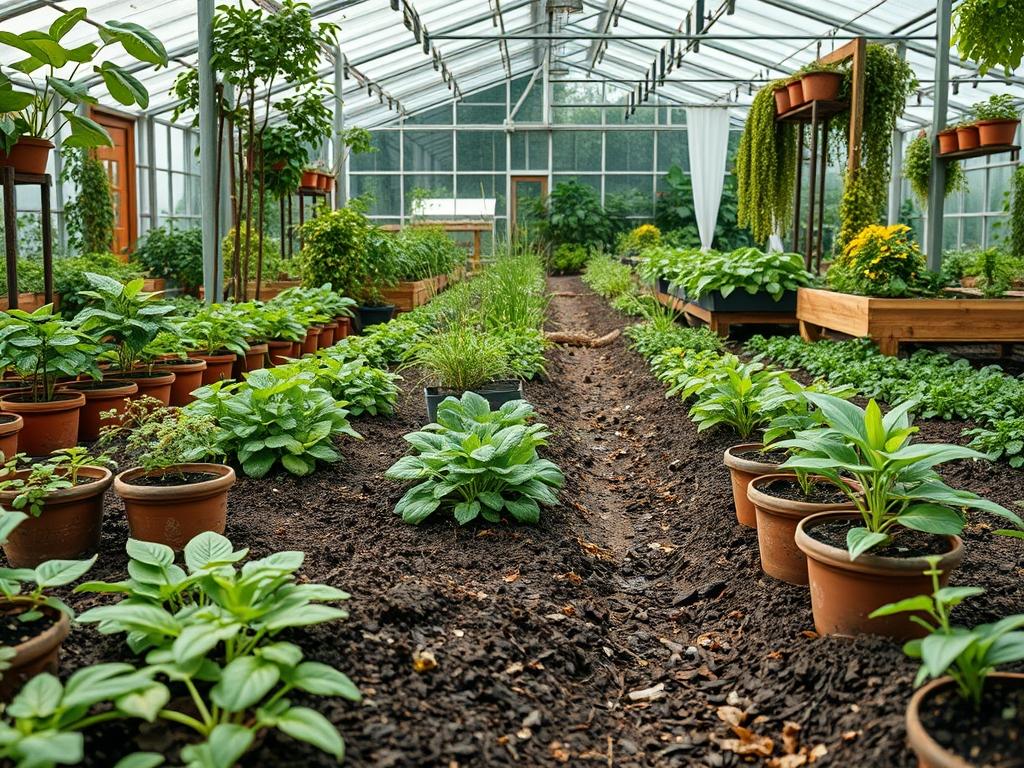
The architectural integrity of a modern residential landscape depends on more than just visual symmetry or the seasonal bloom of perennials. Today, professional landscape design must address a growing environmental hazard found within the very soil we cultivate: microplastic soil pollution. These tiny fragments, often measuring less than 5 millimeters, originate from the degradation of synthetic weed barriers, plastic-coated fertilizers, and low-quality garden tools. For a landscape architect, the challenge lies in creating a space that maintains high curb appeal and outdoor functionality while systematically eliminating the sources of these persistent pollutants. A garden that looks pristine on the surface but contains high concentrations of plastic polymers in its soil profile will eventually suffer from decreased microbial activity and poor water retention. Achieving a balance between ecological health and aesthetic excellence requires a rigorous approach to material selection and a commitment to long term soil vitality.
Climate considerations play a massive role in how microplastics degrade within your local environment. In regions with high UV index ratings, poor quality plastics used in irrigation tubing or landscape fabric break down rapidly through photo-degradation. These fragments then enter the soil matrix, where they can interfere with the root systems of Oak trees or delicate Azaleas. By shifting toward a plastic-free design philosophy, homeowners can improve the drainage and aeration of their property, leading to a more resilient landscape that withstands heavy rainfall and extreme heat. This approach does not sacrifice beauty; instead, it utilizes high-end materials like natural stone, steel edging, and hardwood mulches to create a sophisticated, timeless look that actually gains value as the garden matures.
Landscape Design Principles
Effective landscape design starts with a deep understanding of symmetry and focal points. When planning a garden intended to reduce microplastic soil pollution, we must prioritize permanent, natural materials over temporary synthetic solutions. A central focal point, perhaps a large Granite Boulder or a specimen tree like a Japanese Maple, should anchor the space. From there, we build outward using the principle of elevation layers. By varying the height of the plantings, we create a sense of depth and luxury. However, we must avoid the common mistake of using plastic-backed artificial turf or plastic edging to define these layers. These materials shed microfibers into the groundwater and surrounding soil every time they are trimmed or exposed to the sun.
Irrigation planning is another critical pillar of a professional landscape design. Instead of burying high-density polyethylene pipes that may leach additives over several decades, modern designers are increasingly looking at copper or high-grade stainless steel for exposed water features and focusing on xeriscaping to reduce the total amount of piping needed. Walkways should be constructed from permeable materials like crushed limestone or flagstone set in sand-based mortar. This avoids the need for the plastic mesh underlays typically found in cheap paving kits. Visual balance is achieved by blending these hardscapes with thick, organic borders that suppress weeds naturally through density and healthy soil biology rather than chemical or plastic barriers.
Plant and Material Selection
Selecting the right biological components is essential for maintaining a self-sustaining environment that does not require plastic-intensive intervention. The table below outlines several hardy species that thrive in a natural, plastic-free soil environment.
| Plant Type | Sun Exposure | Soil Needs | Water Demand | Growth Speed | Maintenance Level |
| :— | :— | :— | :— | :— | :— |
| Purple Coneflower | Full Sun | Well-drained | Moderate | Fast | Low |
| Dwarf Boxwood | Part Shade | Loamy | Medium | Slow | High (Trimming) |
| Switchgrass | Full Sun | Sandy/Clay | Low | Moderate | Low |
| Hosta | Full Shade | Rich Organic | High | Moderate | Medium |
| Blue Spruce | Full Sun | Acidic | Low | Slow | Low |
| Creeping Thyme | Full Sun | Gritty/Dry | Very Low | Fast | Low |
When choosing materials, always opt for stainless steel or carbon steel garden tools. Plastic handles and tool heads are prone to chipping, which directly contributes to the microplastic load in your vegetable beds and flower borders. For mulch, specify Triple-Shredded Hardwood or Pine Straw. Avoid dyed mulches, which may contain recycled wood treated with polymers that flake off as the mulch decomposes.
Implementation Strategy
The successful implementation of a microplastic-free garden begins with proper site grading. Before any plants go into the ground, the land must be shaped to ensure water flows away from the home’s foundation while remaining on-site long enough to hydrate the vegetation. Use a laser level to determine the slope. Once the grade is established, define your garden beds using Steel Edging or Tumbled Stone. These materials provide a crisp, professional line that prevents grass encroachment without the risk of plastic fragments breaking off during string trimming.
Next, focus on the organic matter. Instead of using plastic-wrapped bags of potting soil, coordinate a bulk delivery of Aged Compost. Apply this in a layer at least 4 inches thick across the planting zones. This organic layer builds a “living mulch” that naturally suppresses weed seeds. When planting, dig holes that are twice as wide as the root ball of your White Oak or Boxwood to prevent root binding. For drainage in low spots, install a French drain using River Rock and Perforated Metal Pipe instead of the typical plastic corrugated tubing. Finally, apply a finish layer of Shredded Cedar Mulch at a depth of 3 inches. This depth is specific; it is thick enough to block sunlight from weeds but thin enough to allow the soil to breathe.
Common Landscaping Failures
One of the most frequent failures in residential landscaping is the over-reliance on plastic landscape fabric. While it may seem like a time-saver in the first year, it eventually clogs with sediment, suffocating the soil by preventing the exchange of oxygen and water. This creates an anaerobic environment where plant roots rot, and the fabric itself eventually shreds into millions of microplastic pieces that are impossible to remove. Soil compaction is another major issue. When heavy machinery is used during construction without proper remediation, the soil loses its pore space. This leads to runoff and necessitates the use of more synthetic fertilizers, which often come in plastic coatings designed for slow release.
Improper spacing of plants like Hydrangeas or Viburnum also leads to failure. When crowded, these plants become stressed and more susceptible to pests, tempting the homeowner to use systemic pesticides that are often delivered via microplastic-based granules. Furthermore, irrigation inefficiencies often stem from using thin-walled plastic drip lines that leak or burst. This wasted water can carry microplastics from the surface deep into the lower soil horizons, contaminating the deep root zones of mature trees.
Seasonal Maintenance
Spring is the time for a thorough landscape audit. Inspect all Steel Edging for frost heave and readjust as necessary. This is the optimal window to add a fresh 1 inch layer of compost to replace nutrients lost during the winter. As summer approaches, focus on moisture retention. Ensure your mulch depth is maintained at 3 inches to protect the soil from direct UV radiation, which accelerates the breakdown of any remaining synthetic materials. High heat can also cause plastic components in older watering systems to become brittle; replace these segments with rubber hoses or metal fittings.
Autumn is the season for organic accumulation. Instead of bagging leaves in plastic, use a mulching mower to shred them directly into the lawn or garden beds. These leaves act as a natural fertilizer and provide a habitat for beneficial insects that help break down organic matter. Winter maintenance focuses on protection and planning. Avoid using plastic salt spreaders on walkways, as the friction of the salt can abrade the plastic housing. Instead, use a stainless steel spreader and opt for Sand or Birdseed for traction on icy paths. This prevents harmful chemicals and microplastics from leaching into the dormant soil.
Professional Landscaping FAQ
How do microplastics actually get into my garden soil?
They often enter through the degradation of “permanent” landscape fabrics, plastic-coated controlled-release fertilizers, and the wear and decay of synthetic turf or plastic garden tools over several years of exposure to UV light and weathering.
Can I replace landscape fabric with a natural alternative?
Yes, use Cardboard or several layers of Newspaper topped with 3 inches of bark mulch. These organic materials suppress weeds and eventually decompose into rich soil amendments without leaving behind any harmful synthetic residues or fragments.
Are there specific tools that help reduce plastic pollution?
Invest in high-quality items with Ash wood handles and Forged Steel heads. These tools last for decades and do not shed microfibers or plastic chips into the earth, unlike mass-produced tools with molded plastic grips and components.
How does microplastic pollution affect my plants’ growth?
Microplastics can physically block root tips and alter the soil’s water-holding capacity. They also disrupt the symbiotic relationship between roots and beneficial fungi, leading to nutrient deficiencies and stunted growth in species like Tomatoes or Roses.
Should I stop using plastic pots for my outdoor plants?
While convenient, plastic pots degrade in the sun. Transitioning to Terra Cotta, Ceramic, or Fabric Pots made of natural fibers is a better long term strategy for a professional, sustainable landscape that prioritizes soil health and environmental purity.