
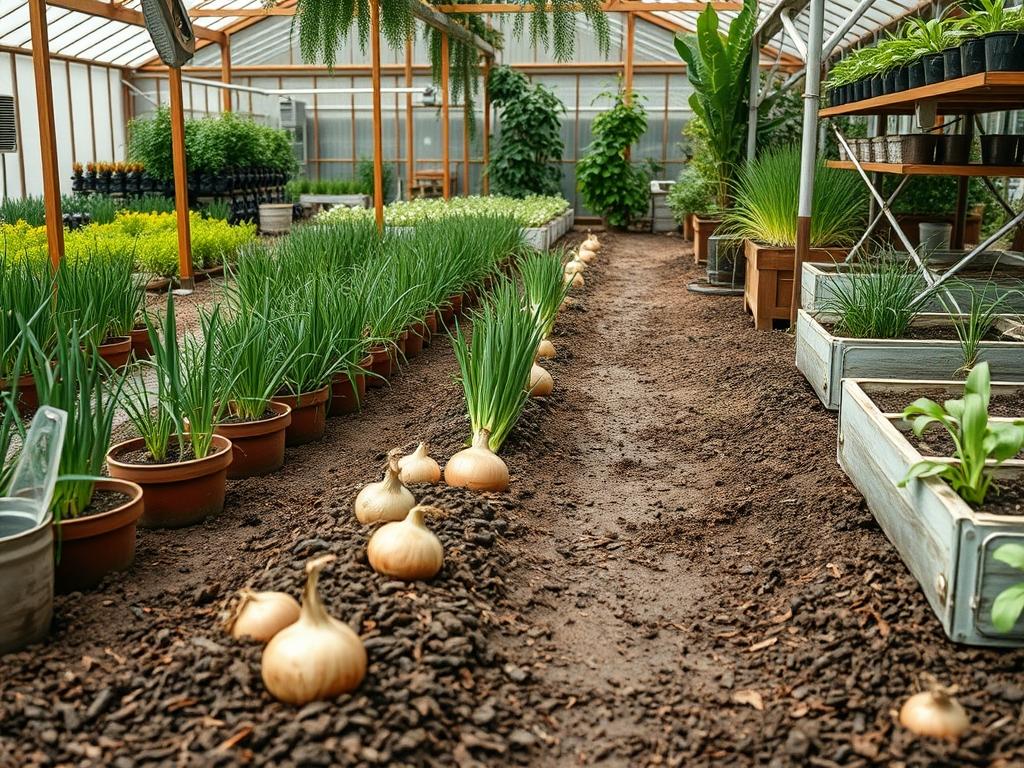
Developing a sophisticated outdoor environment requires more than just aesthetic vision; it demands a deep understanding of the subterranean mechanics that support plant life. When integrating edible elements like onions into a residential landscape, the primary challenge involves bridging the gap between utilitarian production and high-end curb appeal. Onion soil preparation serves as the foundation for this integration, ensuring that these heavy feeders have the nutrient-dense, well-draining environment they require to thrive without compromising the visual integrity of the garden. Properly managed soil not only boosts yield but also prevents the unsightly decay and disease that can detract from a property’s outdoor functionality. In a professional landscape, every element must serve a dual purpose of beauty and performance. By mastering the site conditions for alliums, a landscape architect can transform a simple garden patch into a structured, productive focal point that enhances the overall value of the home.
Landscape Design Principles
Successful onion integration begins with the application of core landscape design principles, specifically symmetry and elevation layers. Onions, particularly when grown to full maturity, offer a unique architectural form with their upright, tubular foliage. To maximize their visual impact, they should be placed within structured raised beds or defined parterres that reflect the geometry of the home’s architecture. Utilizing symmetry by flanking a central walkway with identical onion rows creates a sense of order and intentionality. This approach moves the plants from the category of hidden vegetables to visible design assets.
Elevation plays a critical role in both aesthetics and drainage. By utilizing retaining walls constructed from natural stone or treated timber, a designer can create tiered levels that separate the onion crops from lower-lying ornamental shrubs. This verticality creates visual interest while simultaneously solving the problem of water accumulation. Irrigation planning must be subterranean or drip-based to maintain the clean lines of the landscape. High-volume overhead sprays often lead to soil erosion and foliate disease, which can ruin the tight, organized aesthetic of a professional garden. A well-placed focal point, such as a stone plinth or a decorative urn, at the end of an onion row helps anchor the space and draws the eye through the textural layers of the planting scheme.
Plant and Material Selection
Selecting the right cultivars and soil amendments is the next step in professional onion soil preparation. The choice of plant determines the textural density of the landscape.
| Plant Type | Sun Exposure | Soil Needs | Water Demand | Growth Speed | Maintenance Level |
| :— | :— | :— | :— | :— | :— |
| Yellow Bulb Onion | Full Sun | Loose, Sandy Loam | Moderate | Slow | Medium |
| Red Burgundy Onion | Full Sun | High Organic Matter | Moderate | Medium | Medium |
| Shallots | Partial to Full | Well-Drained Rich | Low | Medium | Low |
| Scallions | Full Sun | Moist, Friable | High | Fast | Low |
| Leeks | Full Sun | Deep, Loamy Soil | High | Very Slow | High |
To achieve the best results, the soil must be modified with specific materials. A base of sandy loam is preferred, supplemented by compost, aged manure, and vermiculite to ensure porosity. In areas with heavy clay, the addition of gypsum can help break down the soil structure, while peat moss can assist in moisture retention for lighter, sandier sites.
Implementation Strategy
The implementation of a high-performance garden bed starts with precise grading. The site must be leveled or slightly sloped to ensure that water does not pool near the bulbs. Stagnant water is the primary enemy of onion crops, leading to root rot and mid-season collapse. Begin by excavating the area to a depth of 12 inches. This depth allows for the removal of compaction and the introduction of high-quality topsoil. For professional-grade onion soil preparation, the soil should be tested for a pH level between 6.0 and 6.8. If the soil is too acidic, apply dolomitic lime; if it is too alkaline, incorporate elemental sulfur.
Once the subgrade is prepared, install steel edging or stone borders to create a crisp transition between the garden bed and the surrounding lawn or gravel walkways. This prevents the encroachment of turf grass and maintains a clean, professional profile. Layer the amended soil into the beds, ensuring it is not overly compacted. Use a broadfork or tilling spade to incorporate 2 inches of organic compost into the top 6 inches of the soil. After planting, apply a 2-inch layer of shredded cedar mulch or pine straw. This mulch layer serves two purposes: it regulates soil temperature and prevents soil splashing, which keeps the onion necks clean and free from fungal pathogens.
Common Landscaping Failures
The most frequent failure in garden planning is inadequate drainage. Many homeowners attempt to grow onions in low-lying areas where water naturally collects. Without proper grading or the use of French drains, the soil becomes anaerobic, effectively suffocating the root systems. Another common mistake is root overcrowding. While it is tempting to plant densely for a lush look, onions require at least 4 to 6 inches of space between bulbs to allow for proper air circulation and expansion. When bulbs are forced to compete for space, they remain small and are more susceptible to pests like onion maggots.
Soil compaction represents another significant hurdle. Walking directly on the planting surface compresses the air pockets necessary for nutrient uptake. In professional landscapes, this is solved by designing narrow beds that can be accessed from permanent walkways, eliminating the need to step into the growing area. Finally, improper irrigation timing can lead to failure. Providing too much water late in the season, when the bulbs are curing, can cause them to split or rot. The transition from growth-focused watering to curing periods must be managed with a programmable drip irrigation controller to ensure precision.
Seasonal Maintenance
Maintenance is a year-round commitment that preserves the structural integrity of the landscape. In the spring, the focus is on activation. As temperatures rise, the soil should be lightly aerated with a hand rake to break up any crusting that occurred over the winter. This is also the time to apply a high-nitrogen starter fertilizer to encourage early green growth. During the summer, the priority shifts to moisture management and weed control. Consistent weeding is essential; onions have shallow roots and cannot compete with aggressive weeds. A stirrup hoe is an excellent tool for slicing through weed roots just below the surface without disturbing the onion bulbs.
Autumn marks the harvesting and curing phase. Once the tops of the onions turn yellow and fall over, irrigation should be ceased entirely. After harvest, the soil must be rejuvenated. Incorporate another 3 inches of well-rotted compost to replenish the nutrients extracted during the growing season. In the winter, the beds should not be left bare. Applying a winter cover crop like clover or a thick layer of leaf mulch prevents soil erosion from heavy rains and snow. This protects the soil structure and ensures the beds are ready for immediate planting when spring returns.
Professional Landscaping FAQ
How do I test my soil drainage for onions?
Dig a hole 12 inches deep and fill it with water. If it drains in less than a few hours, your drainage is excellent. If water remains after six hours, you must install drainage tiles or raise the planting beds significantly.
What is the best way to prevent soil backsplash?
Apply a clean, organic mulch such as pine straw or triple-shredded hardwood. This creates a physical barrier that prevents rain from bouncing soil onto the foliage, which reduces the risk of soil-borne diseases and keeps the landscape looking pristine.
Can I grow onions in the same soil every year?
It is not recommended. To maintain soil health and prevent pest buildup, practice a three-year rotation. Move your allium plantings to a different section of the landscape each season to ensure the soil nutrients remain balanced and pathogens do not survive.
Why are my onion bulbs staying small despite good soil?
This is often caused by high soil compaction or incorrect nitrogen levels. If the soil is too hard, the bulbs cannot physically expand. Ensure you are using loose, friable soil and have not over-applied nitrogen late in the growing cycle.
Does mulch depth affect onion bulb development?
Yes. While mulch is beneficial for moisture, a layer exceeding 3 inches can trap too much moisture against the onion neck, leading to rot. Keep mulch light and away from the immediate base of the plant to allow for proper air contact.