Integrating a productive herb garden into a sophisticated landscape design requires a move beyond simple container gardening toward a comprehensive Tarragon Soil Strategy. This approach treats the soil as a structural component of the outdoor environment, much like a retaining wall or a paved walkway. From a landscape architecture perspective, French Tarragon is often the primary choice due to its superior culinary oils, yet its sensitivity to moisture makes it a challenging specimen in humid or poorly drained climates. The primary goal of a professional soil strategy is to balance the aesthetic demand for lush, green growth with the physiological necessity of rapid drainage and root aeration. A failure to address these underground conditions often results in root rot, which compromises the curb appeal of a garden and lead to unsightly gaps in a curated border.
When we consider outdoor functionality, the placement of herbs like tarragon should be both accessible to the kitchen and integrated into the overall visual flow of the site. A successful landscape transition uses the fine, needle-like texture of tarragon to soften the edges of hardscaping elements such as limestone pavers or granite curbing. By focusing on the subterranean environment, we ensure that these plants maintain their structural integrity throughout the growing season. This involves a precise mixture of organic amendments and inorganic aggregates to create a medium that supports high-frequency harvesting without causing soil compaction or nutrient depletion.
Landscape Design Principles
Effective landscape design relies on the core principles of symmetry, focal points, and elevation layers to create a sense of order and permanence. When planning an area for tarragon, developers must consider the visual balance of the entire site. Symmetry can be achieved by flanking a central walkway with mirroring herb beds, where tarragon provides a mid-height textural bridge between low-growing creeping thyme and taller structural elements like rosemary or lavender. This layering creates a sense of depth and architectural complexity that elevates the garden from a simple utility plot to a professional-grade landscape.
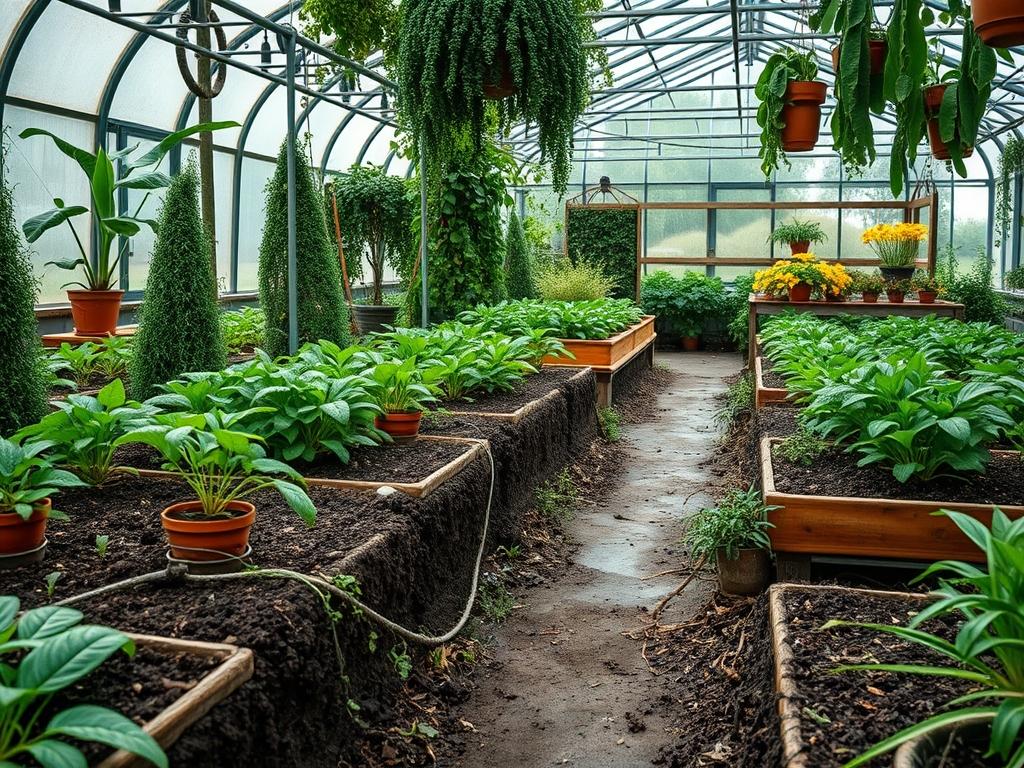
Elevation is perhaps the most critical design tool for success. By creating mounds or utilizing raised beds, a landscape architect can dictate the drainage patterns of the site. A 3 percent grade is typically sufficient to ensure that surface water moves away from the crown of the plant, preventing the saturated conditions that tarragon cannot tolerate. Furthermore, irrigation planning must be decoupled from standard turf schedules. While a lawn may require frequent, shallow watering, a professional herb installation thrives on deep, infrequent cycles that encourage the roots to penetrate deeper into the soil profile. This creates more resilient plants that can withstand the heat of peak summer while maintaining their vibrant foliage.
Visual focal points can be enhanced by surrounding the tarragon beds with high-contrast materials. Using a dark basalt mulch or light river stones can make the soft green hues of the herb pop against the ground plane. The use of walkways made from permeable materials like decomposed granite further supports the soil strategy by allowing the surrounding earth to breathe, which prevents the build-up of anaerobic bacteria that can migrate into the planting beds. Every element, from the height of the retaining walls to the width of the garden paths, must work in tandem to support the primary soil health goals.
Plant and Material Selection
| Plant Type | Sun Exposure | Soil Needs | Water Demand | Growth Speed | Maintenance Level |
| :— | :— | :— | :— | :— | :— |
| French Tarragon | Full Sun | Sandy Loam, pH 6.5-7.5 | Low to Moderate | Medium | Moderate |
| English Lavender | Full Sun | Gritty, Alkaline | Very Low | Slow to Medium | Low |
| Blue Star Creeper | Partial Sun | Moist, Well-Drained | Moderate | Fast | Medium |
| Italian Parsley | Full/Part Sun | Rich, Organic | Moderate | Fast | Low |
| Rosemary | Full Sun | Rocky, Calcarious | Very Low | Medium | Low |
| Course Perlite | N/A | Aeration Support | N/A | N/A | N/A |
| Horticultural Sand | N/A | Drainage Support | N/A | N/A | N/A |
Implementation Strategy
The implementation of a professional garden layout begins with precise site grading. Before any organic material is introduced, the primary subgrade must be shaped to prevent “ponding” near the root zones. In many backyard settings, this requires the removal of heavy clay layers and their replacement with a custom soil blend. A typical Tarragon Soil Strategy utilizes a ratio of 40 percent sandy loam, 40 percent organic compost, and 20 percent inorganic grit such as perlite or crushed poultry grit. This mixture provides the necessary micronutrients while ensuring that oxygen can reach the roots even after heavy rainfall.
Once the grading is complete, the installation of edging provides a clean line between the herb garden and surrounding turf or mulch areas. Steel edging or tumbled brick serves as a functional barrier that prevents invasive grass roots from competing with the tarragon. After the plants are positioned according to the design plan, a 2-inch layer of inorganic mulch should be applied around the base of the plants. Unlike wood chips, which can hold moisture against the stems and invite fungal pathogens, stone or gravel mulches reflect heat back into the foliage and allow the soil surface to dry quickly.
Hardscaping elements like flagstone stepping stones should be interspersed within the beds to allow for maintenance access without compacting the soil. Compaction is a silent killer in many professional landscapes; it collapses the pore spaces required for water movement and root expansion. By providing a clear, firm surface for the gardener to stand on, you preserve the structural integrity of the soil strategy for years. Drainage can be further enhanced by installing a French drain system or a perforated pipe wrapped in filter fabric at the lowest point of the garden, ensuring that excess water is moved entirely off-site or into a designated rain garden area.
Common Landscaping Failures
The most frequent failure in herb-centric landscaping is improper drainage caused by what architects call the “clay pot effect.” This occurs when a hole is dug into heavy clay and filled with light, sandy soil. During rain events, the hole acts as a basin, trapping water and drowning the plant roots. Avoiding this requires tilling the native soil with amendments to create a transition zone rather than a sharp boundary between different soil types. Another common mistake is the overcrowding of plants. While it is tempting to plant densely for immediate visual impact, tarragon requires significant air circulation to prevent powdery mildew and other fungal issues.
Irrigation inefficiencies also rank high among common failures. Many homeowners connect their herb beds to the same zones as their flowering perennials or shrubs. This leads to overwatering, as tarragon requires significantly less moisture than a typical rose bush or hydrangea. Soil compaction from foot traffic or heavy machinery during construction can also destroy the tilth of the earth, leading to stunted growth. Finally, a failure to monitor soil pH can be catastrophic. Tarragon prefers a slightly neutral to alkaline environment; acidic soils will result in poor nutrient uptake and a general decline in plant vigor over time.
Seasonal Maintenance
Spring maintenance is centered on assessment and rejuvenation. As the ground thaws, it is essential to check for frost heaving, which can push tarragon crowns out of the ground. Gently pressing them back into the soil and refreshing the mulch layer will protect the sensitive roots. This is also the time to incorporate a light application of slow-release organic fertilizer. Avoid high-nitrogen chemicals, as they promote rapid, weak growth that lacks the essential oils desired for culinary use. Pruning dead wood from the previous year allows for better sunlight penetration into the center of the plant.
Summer management involves monitoring moisture levels and harvesting. During extreme heat, even a drought-tolerant Tarragon Soil Strategy might require supplemental watering. This should be done in the early morning at the soil level to avoid wetting the leaves. As autumn approaches, reduce watering to help the plant harden off for the coming cold. Do not prune the plants heavily in late fall; the old stems provide a measure of insulation for the crown. In winter, a thicker layer of evergreen boughs or straw mulch can be applied in colder zones to prevent the roots from freezing and thawing repeatedly, which is the primary cause of winter kill in perennials.
Professional Landscaping FAQ
What is the ideal soil pH for tarragon?
Tarragon thrives in a neutral to slightly alkaline environment, ideally between 6.5 and 7.5 pH. If your soil is too acidic, incorporate dolomitic lime to raise the alkalinity and provide essential calcium.
How do I improve drainage in heavy clay?
The most effective method is creating raised mounds using a mix of expanded shale and organic compost. This raises the root ball above the heavy clay subsoil, ensuring that excess water moves away from the plant.
Can I use wood mulch around tarragon?
While wood mulch is common, it can retain too much moisture and cause stem rot. Use pea gravel or coarse sand instead, as these materials improve surface evaporation and reflect beneficial heat.
When should I divide my tarragon plants?
Professional landscape architects recommend dividing tarragon every 3 to 4 years in the spring. This prevents the center of the plant from becoming woody and losing its aesthetic and culinary value.
Why are my tarragon leaves turning yellow?
Yellowing leaves are usually a sign of overwatering or poor drainage. Check the moisture level at a depth of 3 inches. If the soil feels saturated, you must adjust your irrigation or improve the soil porosity.