
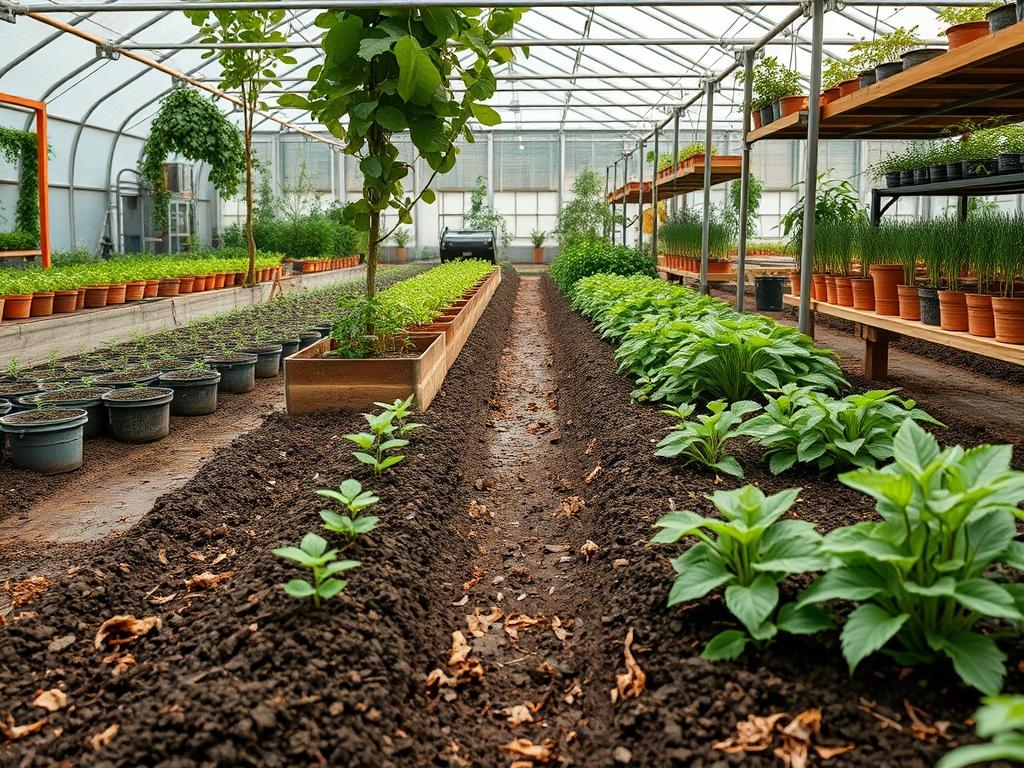
Integrating a hazelnut orchard or a singular specimen into a modern landscape requires more than an eye for aesthetics; it demands a deep understanding of the subterranean environment. While many homeowners choose the hazelnut tree for its lush green canopy and its generous fall harvest, the long term success of the planting is dictated by the specific medium in which it sits. Cultivating these trees represents a marriage between functional agriculture and high end landscape design. When we discuss how Hazelnut Soil Needs must be prioritized, we are looking at the foundational health of the plant, its resistance to disease, and its ability to act as a structural focal point within a garden. A thriving tree enhances curb appeal and provides a sense of established permanence that few other deciduous species can match. However, placing a hazelnut in heavy, suffocating clay or an overly saturated depressions will lead to rapid decline and a loss of the initial investment.
From a landscape architect’s perspective, the primary challenge is achieving the perfect balance of moisture retention and rapid drainage. The hazelnut, or Corylus avellana, is particularly sensitive to anaerobic conditions where water sits stagnant around the root flair. To achieve the functional goals of a backyard retreat, designers must look beyond the surface level. We must consider the topography of the site and how water moves across the property during heavy rain events. A gritty loam is the gold standard for this species because it provides the necessary macropores for oxygen exchange while retaining just enough capillary water to sustain the tree during the heat of July. By focusing on these soil dynamics, we ensure that the outdoor environment remains vibrant and that the trees provide the privacy and shade intended in the original design.
Landscape Design Principles
Effective landscape design using hazelnut trees relies on the principles of symmetry and elevation. Because hazelnuts can grow as large, multi stemmed shrubs or be trained into single trunk trees, they offer significant versatility in a master plan. For a formal look, a symmetrical allee of hazelnuts can frame a walkway or define a property boundary. This requires meticulous soil preparation to ensure uniform growth across all specimens; otherwise, the visual balance is lost as some trees thrive while others struggle in pockets of poor drainage. Designing with elevation layers allows the architect to place hazelnuts as a mid story element, perhaps positioned behind lower boxwoods but in front of taller conifers. This creates a textured, tiered effect that draws the eye upward and adds depth to the garden.
Irrigation planning is another pillar of professional design. While hazelnuts need significant water to produce a crop, they cannot survive in a swamp. Professional designs often incorporate a slight mounding or “berming” technique where the tree reflects a focal point at the top of a gentle rise. This elevation naturally directs excess water away from the root crown, satisfying the critical Hazelnut Soil Needs without sacrificing the aesthetic flow of the lawn. Furthermore, walkways should be constructed using permeable materials like crushed granite or permeable pavers when they are near the root zone. This prevents the soil compaction that often occurs with heavy foot traffic, maintaining the gritty, friable texture that the roots require to expand and anchor the tree against wind.
Plant and Material Selection
Selecting the right companions and structural materials is essential for a cohesive landscape. The following table outlines the requirements for hazelnuts and compatible species that thrive in similar well drained, gritty environments.
| Plant Type | Sun Exposure | Soil Needs | Water Demand | Growth Speed | Maintenance Level |
| :— | :— | :— | :— | :— | :— |
| Hazelnut (Corylus) | Full Sun to Part Shade | Gritty Loam, Ph 6.0-7.0 | Moderate | Medium | Moderate |
| Lavender (Lavandula) | Full Sun | Well Drained, Gritty | Low | Fast | Low |
| Red Currant | Full Sun to Part Shade | Rich Loam, Well Drained | Moderate | Medium | Medium |
| Creeping Thyme | Full Sun | Sandy, Gritty | Low | Fast | Very Low |
| Serviceberry | Full Sun to Part Shade | Moist but Well Drained | Moderate | Medium | Low |
Implementation Strategy
The implementation phase begins with a thorough grading plan. Before any tree hits the ground, the site must be evaluated for drainage efficiency. If the site consists of heavy clay, the most effective strategy is to excavate the planting area and incorporate a significant amount of coarse builder’s sand and composted organic matter. This creates the “gritty” texture necessary for root respiration. When digging the hole, it should be at least twice as wide as the root ball but no deeper. Settling is a common issue; if a tree sinks below the surrounding grade, it will inevitably develop root rot.
Once the tree is positioned, edging becomes the next priority. Sharp, clean edges created with steel landscape edging or cobblestone help define the planting bed and prevent turf grass from competing for nutrients. A layer of mulch is then applied. For hazelnuts, a premium arborist wood chip or pine bark mulch at a depth of 3 inches is ideal. Care must be taken to keep the mulch a few inches away from the trunk itself to prevent fungal infections. Hardscaping elements, such as retaining walls made of natural stone, can be used to terrace a sloped backyard, providing flat planting pockets that are easier to irrigate and maintain. These walls also add a sense of luxury and structure to the outdoor living space.
Common Landscaping Failures
The most frequent failure in hazelnut cultivation is ignoring the drainage profile of the subsoil. Many gardeners see a healthy surface layer and assume the tree will thrive, only to find that a hardpan layer of clay two feet down is holding water like a bathtub. This leads to soil compaction and a total lack of oxygen for the deep taproots. Another common error is root overcrowding. Because hazelnuts have a spreading habit, planting them too close to foundations or other large trees leads to a competition for resources that usually results in a stunted, misshapen canopy.
Improper spacing and irrigation inefficiencies also plague many projects. If trees are spaced less than 15 feet apart, their canopies will eventually overlap, creating a dark, humid interior that is a breeding ground for Eastern Filbert Blight. Over watering with automated turf sprinklers is another silent killer. Turf irrigation often provides frequent, shallow watering which is the opposite of what a hazelnut needs. These trees prefer deep, infrequent soakings that encourage the roots to dive deep into the gritty loam, rather than staying near the surface where they are vulnerable to heat stress and mechanical damage.
Seasonal Maintenance
Managing the landscape is a year round commitment that changes with the seasons. In the spring, focus should be on soil health. This is the time to apply a balanced 10-10-10 fertilizer if growth has been sluggish, and to check the pH levels of the soil. As the ground thaws, ensuring that the drainage channels are clear of debris is vital to prevent spring rains from pooling around the base of the trees. Summer maintenance shifts toward water management and monitoring. Utilizing a soaker hose or drip irrigation system ensures that the trees receive moisture directly at the root zone during the hottest months, reducing evaporation loss.
Autumn is the season for harvest and sanitation. Fallen leaves and husks should be cleared away to prevent overwintering pests and fungi. This is also an excellent time to refresh the mulch layers, providing a thermal blanket for the roots before the ground freezes. Finally, winter is the season for structural pruning. Use sharp bypass loppers and pruning saws to remove suckers at the base and any crossing branches within the canopy. Because the tree is dormant, this is the safest time to thin out the center of the tree to improve light penetration and air circulation, which are essential for the health of the wood and the quality of next year’s crop.
Professional Landscaping FAQ
How do I test if my soil is gritty enough?
Perform a simple squeeze test with moist soil. A gritty loam should form a loose ball when squeezed but crumble easily when poked. If it stays in a tight, sticky ribbon, you must add coarse sand and organic matter to improve the texture.
Can hazelnuts grow in a purely sandy environment?
While they love drainage, pure sand lacks the nutrient holding capacity hazelnuts require. You must blend sand with compost or loamy topsoil to ensure the Hazelnut Soil Needs for minerals and moisture retention are met throughout the growing season.
What is the best way to fix poor drainage in an existing grove?
Installing a French drain or a sub surface perforated pipe system is the most effective professional solution. This diverts excess groundwater away from the root zones without requiring the transplanting of established, mature trees.
Does mulch type affect the soil grit?
Over time, organic mulches break down and integrate into the topsoil. Using a coarse wood chip mulch adds organic “fines” that improve soil structure without making it too heavy, eventually contributing to a rich, well drained gritty loam profile.
How often should I aerate the soil around my hazelnut trees?
Avoid deep mechanical aeration near the drip line to prevent root damage. Instead, use a broadfork to gently lift the soil or apply gypsum to heavy clay areas to help flocculate soil particles and improve natural drainage paths.