
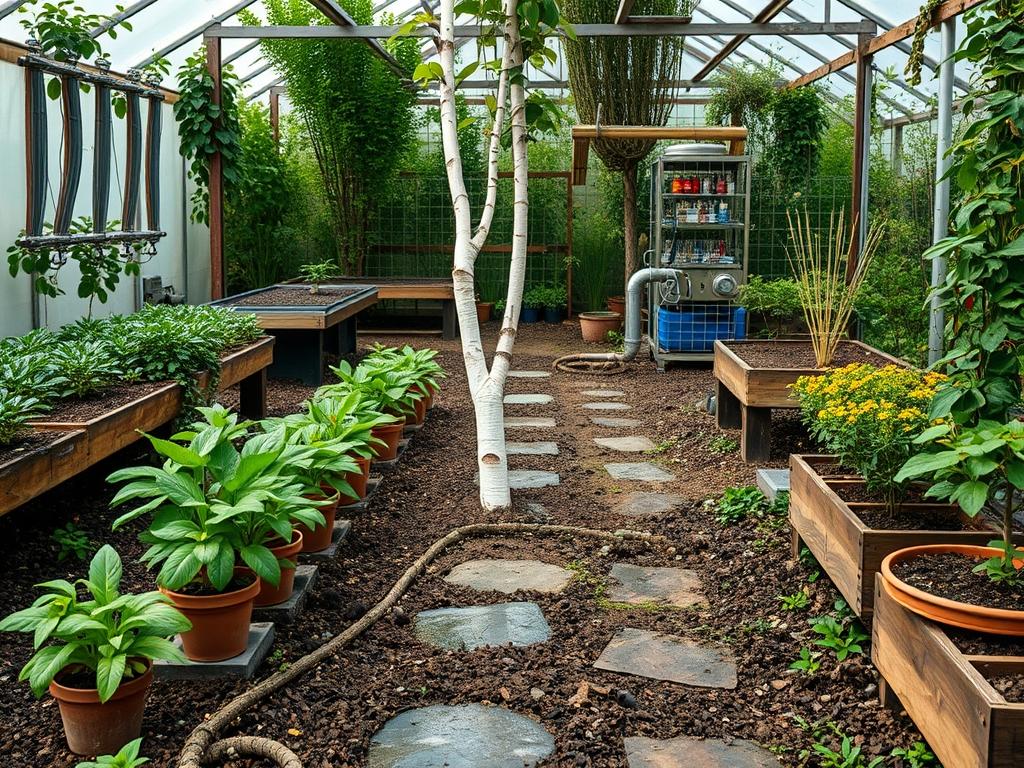
Birch trees represent some of the most striking specimens in North American landscaping, offering a unique combination of delicate foliage, peeling bark, and graceful silhouettes. From a professional landscape architect’s perspective, these trees provide unparalleled vertical interest and can significantly increase a property’s curb appeal. However, the success of a birch installation depends almost entirely on the subterranean environment. The best soil for birch trees is not merely a substrate for stability; it is a complex moisture management system. Because most birch species are native to cool, northern climates or riparian corridors, they have evolved with shallow root systems that are exceptionally sensitive to heat and drought. When designing an outdoor space that features these elegant trees, we must prioritize soil architecture that ensures constant moisture without causing stagnation. Failure to address these physiological needs often leads to premature decline, making the tree susceptible to the devastating Bronze Birch Borer.
Integrating birch trees into a cohesive landscape design requires a deep understanding of ecological balance and visual hierarchy. We often use them as focal points near water features or as “anchor” plants in mixed borders where their white or salmon-colored bark can pop against a darker backdrop of evergreens. Beyond their beauty, birches serve a functional role in the landscape by providing dappled shade that allows understory plantings to thrive. To maximize their impact, we look at the site’s elevation and natural drainage patterns. Since these trees crave water, placing them at the bottom of a gentle slope or near a rain garden is often a strategic move. This placement leverages the natural movement of runoff, ensuring the root zone stays hydrated. By layering the landscape with varying heights, using the birch as the overhead canopy and transitioning down to shrubs and groundcovers, we create a resilient ecosystem that protects the tree’s sensitive root zone from the drying effects of direct sunlight.
Landscape Design Principles
Effective landscape design is grounded in the principles of symmetry and visual balance, but for birch trees, it must also include thermal regulation. We often design “cool zones” around the base of the tree. This is achieved by using a combination of organic mulch, retaining walls, and companion plantings. A retaining wall can be used to create a slightly recessed planting pocket that holds moisture better than a flat grade. Furthermore, the use of walkways should be carefully planned to avoid the tree’s drip line. Soil compaction from foot traffic is a silent killer for birches, as it collapses the macropores in the soil that hold the oxygen and water necessary for root respiration.
In terms of elevation, birches are excellent for creating “layers” in a backyard. A tall Paper Birch or River Birch provides the high-level canopy; while mid-sized viburnums or dogwoods provide the mid-story. This layering mimics a natural forest edge, which is the birch’s native habitat. For focal points, we frequently utilize “clump” varieties featuring three or more trunks. These specimens create a sense of immediate maturity and architectural weight. Irrigation planning must be integrated into the initial design phase. We recommend drip irrigation lines buried beneath the mulch layer to deliver water directly to the soil surface, minimizing evaporation and ensuring the best soil for birch trees remains consistently damp.
Plant and Material Selection
Selecting the right cultivars and supporting materials is critical for a high-performing landscape. The following table outlines the requirements for common birch varieties and their ideal companions.
| Plant Type | Sun Exposure | Soil Needs | Water Demand | Growth Speed | Maintenance Level |
| :— | :— | :— | :— | :— | :— |
| River Birch (Betula nigra) | Full Sun to Part Shade | Acidic, Heavy Clay/Loam | Very High | Fast | Low |
| Paper Birch (Betula papyrifera) | Full Sun (Roots must stay cool) | Sandy Loam, Well-Drained | High | Medium | High |
| Himalayan Birch (Betula utilis) | Full Sun to Part Shade | Rich, Organic Loam | High | Medium | Moderate |
| Ostrich Fern | Full Shade to Part Shade | Humus-rich, Moist | High | Fast | Low |
| Hosta Spp. | Part Shade to Full Shade | Organic, Moist | Medium-High | Medium | Low |
| Japanese Maple | Part Shade | Well-drained, Acidic | Medium | Slow | Moderate |
When selecting materials, we specify shredded hardwood mulch or pine bark nuggets. These materials break down slowly, adding organic matter to the soil while providing an insulating layer that keeps the ground temperature significantly lower than the air temperature during peak summer months.
Implementation Strategy
The transition from a design on paper to a living landscape requires a meticulous implementation strategy. First, we address the grading of the site. The area around the birch should be graded to ensure that water does not pool directly against the trunk, which can cause collar rot, but rather settles in the wider root zone, which extends well beyond the canopy’s reach. We typically excavate a planting hole that is 2 to 3 times wider than the root ball but no deeper. This encourages lateral root growth into the surrounding soil.
Once the tree is positioned, we backfill with a custom mix designed to create the best soil for birch trees. This usually involves a blend of existing site soil, sphagnum peat moss, and composted leaf mold. This mixture increases the cation exchange capacity and moisture retention of the soil. Next, we install a permanent edging material, such as steel or heavy-duty stone, to define the mulch bed. This prevents lawn grass, which is a fierce competitor for moisture, from encroaching on the tree’s territory. A 3-inch layer of mulch is then applied, making sure to keep the mulch a few inches away from the bark of the trunk. Finally, we install an automated irrigation timer set to deliver deep, infrequent watering sessions rather than shallow daily mists, as this encourages deep root penetration.
Common Landscaping Failures
The most frequent mistake in birch management is ignoring the “cool feet, warm head” rule. Many homeowners plant birches in the middle of a hot, sun-drenched lawn with no understory protection. This leads to soil temperature spikes that stress the tree and invite the Bronze Birch Borer. Another common failure is the misuse of weed-and-feed fertilizers on the surrounding lawn. These chemicals can be absorbed by the birch’s shallow roots, causing leaf curl and systemic damage.
Soil compaction is another significant hurdle. During construction or hardscaping, heavy machinery often rolls over the root zones of existing or future planting sites. This creates a concrete-like soil structure that prevents water infiltration. We also see many “tree wells” that are built too high around the trunk. While retaining walls can be useful for managing slopes, burying the trunk of a birch tree in even a few inches of extra soil can suffocate the roots and lead to fungal infections. Finally, many irrigation systems are designed for turf, not trees. Sprinkler heads that spray the trunk of a birch can lead to “wet feet” at the base while the actual absorbing roots at the perimeter remain bone dry.
Seasonal Maintenance
Seasonal care is what ensures the longevity of a birch-centered landscape. In the Spring, we focus on nutrient replenishment. Applying a slow-release acidic fertilizer just as the buds begin to swell helps the tree produce a flush of healthy foliage. This is also the time to inspect for any winter damage and refresh the mulch layers to a depth of 3 to 4 inches.
During the Summer, the priority shifts entirely to moisture management. If the region experiences a period of ten days without significant rainfall, deep supplemental watering is mandatory. We use soaker hoses wrapped around the drip line for several hours to ensure the water reaches a depth of 12 inches. In Autumn, we recommend leaving fallen leaves from companion plants to decompose naturally, but removing birch leaves if there was any sign of fungal spotting during the season. This is also the ideal time for structural pruning, as the tree is entering dormancy and the sap flow is reduced. In Winter, the primary concern is protecting the bark from “sunscald,” which can occur on young trees when the winter sun heats the dark areas of the bark. Using white tree wraps on younger specimens can prevent the bark from splitting during extreme freeze-thaw cycles.
Professional Landscaping FAQ
How do I test if my soil is acidic enough for a birch?
Use a pH testing kit or send a sample to a local extension office. Birch trees generally prefer a pH between 5.0 and 6.5. If your soil is too alkaline, you can amend it with sulfur or pine needles.
Can I grow a birch tree in a large planter?
While possible for a short time, it is not recommended for long-term health. Birch trees have extensive lateral roots. They will quickly become root-bound in a container, leading to moisture stress and a much shorter lifespan than those in the ground.
What is the best way to prevent Bronze Birch Borer?
The most effective defense is keeping the tree hydrated. A healthy, well-watered tree can often “pitch out” the larvae with sap. Maintaining the best soil for birch trees through mulching and consistent irrigation is your best preventative measure.
Should I prune my birch in the spring?
No. Birches are “bleeders,” meaning they lose heavy amounts of sap if pruned in late winter or early spring. The best time to prune for shape or health is in late summer or early autumn when sap flow is low.
How much water does a mature birch tree need?
A mature birch can require up to 1 inch of water per week. In extreme heat, this may need to be doubled. Always check the soil moisture levels 4 inches below the surface to ensure the root zone is truly damp.