
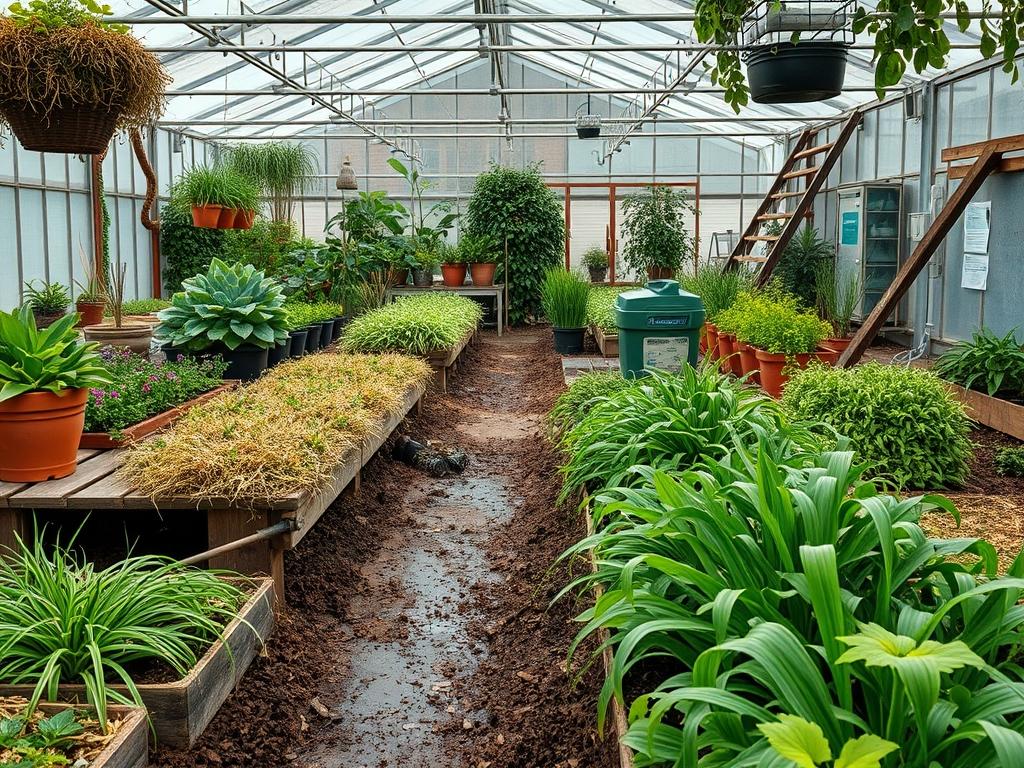
The utility landscape serves as the bridge between aesthetic exterior design and high yield productivity. In the context of a modern sustainable backyard, the choice of ground cover reflects more than just a surface level preference; it dictates the thermal health and moisture retention of the entire ecosystem. For many homeowners, the vegetable plot represents a significant investment in both time and curb appeal. Integrating a vegetable garden into a cohesive site plan requires careful consideration of materials that balance functionality with visual harmony. This is where the discussion of straw mulch pros and cons becomes essential for the landscape architect. Choosing the right mulch is not merely about suppressing weeds. It is about managing the microclimate of the soil, ensuring the longevity of structural elements, and maintaining a clean, professional finish that complements the broader outdoor living environment.
A well designed vegetable plot must provide a transition from the formal areas of the home to the more organic, productive zones of the property. When we evaluate the landscape challenge of a productive garden, we must consider the environmental impact of our material choices. Traditional wood chips or decorative barks often used in ornamental beds may not be the ideal choice for a high rotation vegetable plot. Straw offers a lighter, more air permeable alternative that supports the rapid growth cycles of annual crops. However, this choice brings specific design requirements, particularly concerning wind resistance and boundary containment. By understanding the intersection of soil science and site engineering, a consultant can transform a messy garden patch into a high performance landscape feature.
Landscape Design Principles
When approaching the design of a vegetable plot, we apply the same professional rigorous standards used in high end residential courtyards. Symmetry serves as a primary tool to anchor the garden within the property. By aligning raised beds with the primary sightlines of the home, the vegetable garden becomes a focal point rather than a hidden utility. We often utilize cedar or redwood for bed construction to provide a crisp, vertical definition that contrasts with the soft, golden texture of wheat straw. This contrast in material density creates a sophisticated visual balance that elevates the garden aesthetics.
Elevation layers are equally critical in a professional layout. By varying the height of planting surfaces, we create a dynamic environment that improves accessibility and drainage. Utilizing low stacked stone walls or retaining walls around the perimeter of the plot can prevent the lighter mulch materials from migrating into manicured lawn areas. This containment strategy is a vital part of irrigation planning. In a structured landscape, we often install sub-surface drip irrigation lines beneath a 3 inch layer of straw. This placement ensures that water reaches the root zones directly without surface evaporation, while the straw acts as an insulating blanket that protects the delicate tubing from UV degradation and mechanical damage from handheld shovels or garden hoes.
Walkways within the vegetable plot should provide a stable, all weather surface that defines the flow of movement. We typically recommend a base of crushed gravel or flagstone for high traffic paths to ensure proper drainage and to prevent soil compaction. The transition from these hard surfaces to the organic mulch of the beds should be sharp and intentional. This clear delineation helps in managing one of the more significant cons of straw mulch, which is its tendency to scatter if not properly contained by edging or timbers. When designed with these principles in mind, the vegetable plot mirrors the intentionality of the rest of the estate.
Plant and Material Selection
Selecting the right biological and physical components is the foundation of a resilient landscape. The following table outlines primary materials and plant species that integrate effectively with straw mulch systems in a professional garden plan.
| Plant or Material Type | Sun Exposure | Soil Needs | Water Demand | Growth Speed | Maintenance Level |
| :— | :— | :— | :— | :— | :— |
| Heirloom Tomatoes | Full Sun | Rich, Loamy | High | Fast | High |
| Zucchini | Full Sun | Well Drained | Moderate | Rapid | Medium |
| Organic Wheat Straw | N/A | Dry Surface | Low | N/A | Moderate |
| Sweet Peppers | Full Sun | High Nitrogen | Moderate | Moderate | Medium |
| Culinary Basil | Full to Partial | Nutrient Rich | High | Fast | Medium |
| Golden Straw Hay | N/A | Low Moisture | None | N/A | Low |
Implementation Strategy
The successful deployment of a vegetable plot begins with precise site grading. We recommend a minimum 1 percent slope away from existing building foundations to prevent water pooling. Once the grade is established, the placement of hardscaping elements such as treated timbers or heavy gauge steel edging defines the footprint. Before any mulch is applied, the soil must be amended with organic compost to ensure a nutrient dense environment. We then lay the irrigation manifold and individual emitters to cover the specific needs of each planting zone.
The application of straw requires a specific technique to maximize its benefits. We suggest a depth of exactly 3 to 4 inches for the straw layer. This depth is sufficient to suppress weed germination by blocking sunlight while still allowing for gas exchange between the soil and the atmosphere. It is important to shake out the bales of straw to remove any remaining seed heads, which can lead to unwanted grain growth in the beds. If the site is prone to high winds, a light misting of water or a thin layer of jute netting can help anchor the straw until it settles and begins to interlock. This meticulous approach ensures that the mulch serves as an effective barrier against soil splash back, which is a major contributor to fungal diseases in plants like cucumbers and tomatoes.
Common Landscaping Failures
One of the most frequent errors in garden planning is improper drainage. If the subsoil is heavily compacted, even the best mulch will not prevent root rot during heavy rain events. We often see homeowners place straw over heavy clay without first addressing the compaction levels. This creates a bowl effect where water sits at the root zone, leading to anoxic conditions. Another failure involves root overcrowding. Plants like squash require a radius of at least 24 inches to thrive, and encroaching on this space leads to poor air circulation and pest infestations.
Irrigation inefficiencies also plague many residential plots. Overhead watering in a straw mulched bed is often ineffective, as the dry straw can actually shed water away from the plant stems if not applied carefully. This is why we advocate for drip lines placed under the mulch. Furthermore, if the carbon to nitrogen ratio is not managed, thick layers of straw can temporarily lock up nitrogen as they decompose. This occurs if the straw is mixed into the soil rather than left on the surface as a top dressing. Proper education on how to manage the interaction between the mulch and the soil chemistry is vital for long term success.
Seasonal Maintenance
Landscape management is a year round commitment that changes with the solar cycle. In the spring, the primary task is to clear away any matted straw from previous seasons and check for pest overwintering. As the soil warms, a fresh layer of certified weed free straw should be applied after the first round of transplanting. This helps maintain consistent soil temperatures as the summer heat intensifies.
Summer maintenance involves monitoring the moisture levels beneath the mulch. Because straw is excellent at retention, it is easy to overwater. Professionals use a soil moisture probe to check the hydration at a depth of 6 inches. In the autumn, after the final harvest, the straw can be lightly raked and added to a compost pile, or if it is clean and disease free, it can be left as a winter cover to prevent soil erosion. For winter, we focus on protection. In colder climates, a thicker layer of 6 inches of straw can help insulate the roots of perennial herbs and garlic against the freeze-thaw cycle, ensuring a healthy return in the following spring.
Professional Landscaping FAQ
Is straw mulch the same as hay?
No, they are different. Straw consists of dry stalks from grain crops with the seeds removed. Hay contains the entire plant, including seed heads, which will lead to significant weed issues in your professional vegetable plot.
How deep should I apply straw mulch?
For optimal performance, apply at a depth of 3 to 4 inches. This thickness provides a thermal barrier and suppresses weeds without preventing oxygen from reaching the roots or causing excessive moisture buildup at the crown.
Does straw mulch attract pests like slugs or rodents?
It can provide habitat for pests if kept excessively damp. To mitigate this, ensure proper drainage and maintain a clear gap of 1 inch between the mulch and the stems of your plants to discourage feeding.
Will straw mulch blow away in high winds?
Fresh straw is light and can shift. To secure it, water the area thoroughly after application to settle the fibers, or use a thin layer of natural twine netting anchored with landscape staples to hold it.
Can I use straw mulch in raised beds?
Absolutely. Straw is an ideal material for raised beds because it is lightweight and easy to manage in confined spaces. It helps regulate the higher soil temperatures often found in elevated planting structures during summer.