
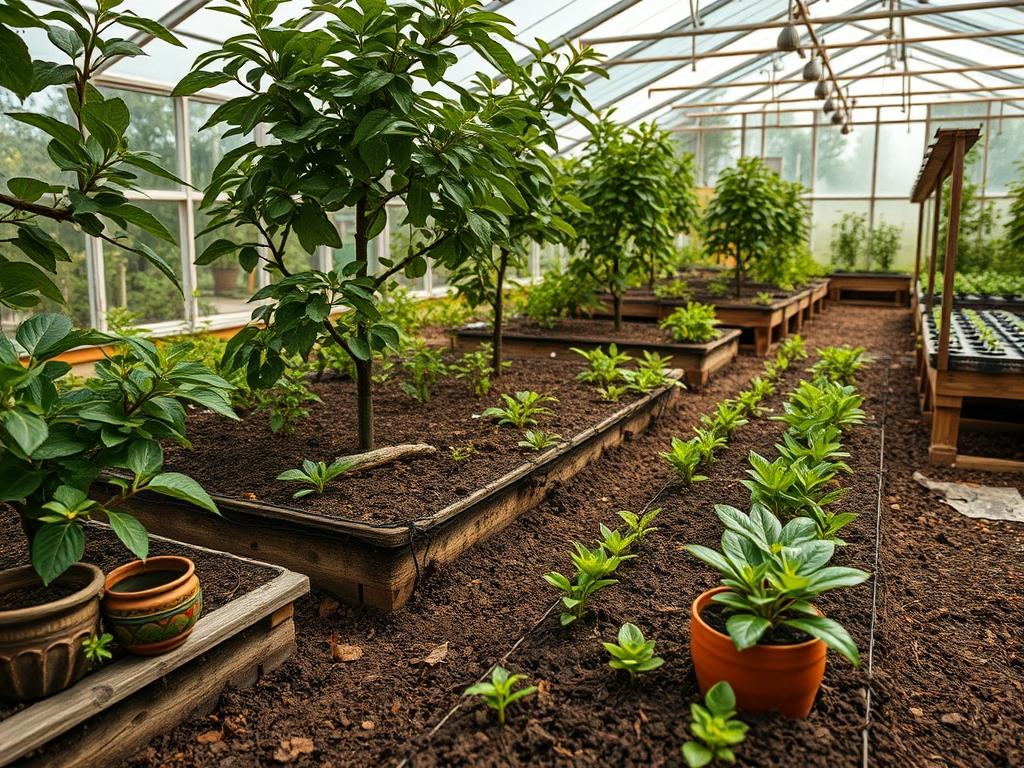
Successful landscape architecture begins beneath the ground, where the complex chemistry of the soil dictates the long term viability of every specimen. When integrating fruit bearing trees into a residential or commercial site, the plum tree often serves as a premier choice for both its aesthetic blossom and its seasonal harvest. However, achieving success with a plum tree requires more than simply digging a hole and providing water. The foundation of a thriving orchard or focal point involves a deep understanding of Plum Tree Soil Needs, specifically focusing on the intersection of drainage, nutrient density, and chemical balance. A well placed tree can elevate curb appeal and offer functional shade, but if the soil environment is not optimized, the investment often results in stunted growth or premature decline.
Landscape professionals categorize the plum, or Prunus domestica, as a moderately resilient species, yet it remains sensitive to specific subsurface conditions. These trees are particularly susceptible to root rot if placed in heavy clay that retains too much moisture. Conversely, overly sandy soils may drain too quickly, leaving the delicate fibrous roots parched during peak summer heat. Designing an outdoor space with these trees involves a careful assessment of the existing site topography. We look for areas where water naturally migrates, ensuring the tree is positioned at an elevation that prevents saturated “wet feet” while remaining accessible to irrigation systems.
Landscape Design Principles
Integrating fruit trees into a modern landscape requires a balance of symmetry and biological pragmatism. A common design strategy involves using plum trees as focal points within a larger garden bed, often surrounded by lower tier plantings like Lavender or Salvia. This layering creates a sense of depth and elevation, transitioning the eye from the horizontal plane of a lawn to the vertical interest of the tree canopy. When planning the layout, designers must account for the mature spread of the tree, which can reach 15 to 20 feet in diameter depending on the rootstock. Overcrowding often leads to poor air circulation, which invites fungal pathogens that can ruin the visual appeal of the foliage.
Irrigation planning is another pillar of professional landscape design. For plum trees, a dedicated drip line or micro sprayer system is preferred over standard lawn sprinklers. This ensures that moisture is delivered directly to the root zone at a controlled rate, minimizing evaporation and preventing leaf scorch. Furthermore, the placement of walkways and hardscaping must be considered. Plum trees drop fruit during late summer; therefore, they should be set back at least 8 to 10 feet from primary footpaths or patio areas to avoid staining and slip hazards. By using retaining walls or raised berms, architects can also manage soil quality more effectively in areas where the native earth is substandard.
Plant and Material Selection
| Plant Type | Sun Exposure | Soil Needs | Water Demand | Growth Speed | Maintenance Level |
| :— | :— | :— | :— | :— | :— |
| European Plum | Full Sun | Well-drained Loam | Moderate | Medium | High |
| Japanese Plum | Full Sun | Sandy Loam | Moderate | Fast | Medium |
| Dwarf Rootstock | Full Sun | Nutrient Rich | Low to Moderate | Slow | Low |
| Damson Plum | Full Sun/Partial | Heavy Loam | Moderate | Medium | Medium |
| Ornamental Plum | Full Sun | Average Garden Soil | Low | Fast | Low |
Implementation Strategy
The process of installing a plum tree begins with a comprehensive soil test. Utilizing a professional soil probe or a Kelway meter, we determine the current pH level of the site. Plum trees thrive in a slightly acidic to neutral range, typically between 6.0 and 6.5. If the test reveals a pH below 5.5, an application of dolomitic lime is necessary to raise the alkalinity. If the soil is too alkaline, elemental sulfur or peat moss may be incorporated to bring the numbers down. This chemical adjustment should occur several weeks before planting to allow the soil profile to stabilize.
Once the chemical balance is addressed, the physical preparation of the site begins. We recommend digging a planting hole that is twice as wide as the root ball but no deeper. This encourages the lateral roots to move horizontally into the native soil. During the backfilling process, we often amend the native earth with 20 percent organic compost to improve the cation exchange capacity, which helps the tree absorb essential minerals like nitrogen, phosphorus, and potassium. After the tree is set, a 3-inch layer of hardwood mulch is applied in a donut shape around the base, ensuring the mulch does not touch the trunk to prevent bark rot.
Grading is equally important in the implementation phase. In areas with high clay content, creating a subtle mound or berm for the tree can provide the necessary elevation to ensure gravity pulls excess water away from the root crown. In professional installations, we also consider the use of root barriers if the tree is positioned near a driveway or underground utility line. These barriers direct root growth downward rather than outward, protecting the surrounding infrastructure from damage as the tree matures and increases its root mass.
Common Landscaping Failures
One of the most frequent mistakes in residential fruit tree management is the failure to address soil compaction. In new construction zones, heavy machinery often compresses the earth, destroying the pore spaces required for oxygen and water movement. When a plum tree is planted in compacted soil, it essentially sits in a bathtub of stagnant water, leading to anaemic growth. To fix this, professional installers use mechanical aerators or radial trenching to break up the subsoil before the tree is introduced to the site.
Another failure is improper spacing relative to other landscape elements. When plum trees are placed too close to a dwelling or a tall fence, they may not receive the 6 to 8 hours of full sun required for fruit production. This lack of light results in leggy, weak branches that are prone to breaking under the weight of a harvest. Furthermore, “volcano mulching,” which involves piling mulch high against the trunk, is a common error that traps moisture against the bark and creates an entry point for wood boring insects. Professional standards dictate a flat, wide application of mulch that extends to the drip line of the canopy.
Seasonal Maintenance
Managing the lifecycle of a plum tree requires a seasonal rhythm of intervention. In the Spring, the focus is on fertilization and growth support. We apply a balanced 10-10-10 fertilizer just before the buds break to provide the energy needed for blossoming. This is also the time to inspect irrigation lines for leaks or clogs. As the weather warms into Summer, the priority shifts to moisture management. During periods of drought, deep watering sessions are required to keep the fruit from shriveling. Monitoring for pests like aphids or plum curculios is also essential during these months.
When Autumn arrives, the maintenance focus turns to sanitation and preparation for dormancy. Removing fallen fruit and leaf litter is vital to prevent the over wintering of fungal spores like brown rot. A light application of potash can help strengthen the tree’s cellular structure against the coming cold. Finally, in Winter, structural pruning is performed. This involves removing the three Ds which are dead, damaged, or diseased wood. Proper pruning opens the center of the tree to sunlight, which is crucial for the following year’s fruit quality and overall tree health.
Professional Landscaping FAQ
What is the ideal pH for plum tree soil?
The optimal range for most plum varieties is between 6.0 and 6.5. This slightly acidic environment allows for the most efficient uptake of micronutrients. If the soil is too alkaline, the tree may suffer from iron chlorosis and yellowing leaves.
How do I fix poor drainage for my fruit trees?
To improve drainage, you should incorporate organic matter like compost or aged manure to break up heavy clay. Alternatively, planting the tree on a raised mound or installing a French drain system can redirect excess water away from the root zone.
Can I grow plum trees in heavy clay soil?
Plum trees can survive in clay if it is heavily amended with perlite or organic grit. However, you must avoid planting them in low spots where water collects. Selecting a rootstock specifically bred for heavier soils, such as St. Julian A, is recommended.
How often should I test my garden soil?
Professional landscape architects recommend testing every two to three years. This frequency allows you to monitor nutrient depletion and adjust the pH before the tree shows signs of stress. Testing is best performed in the early spring or late autumn.
What is the best mulch for plum tree soil?
A coarse hardwood mulch or pine bark nuggets provide the best results. These materials decompose slowly, adding organic matter to the soil over time while suppressing weeds and maintaining consistent moisture levels. Avoid using dyed mulches that may contain chemical contaminants.