
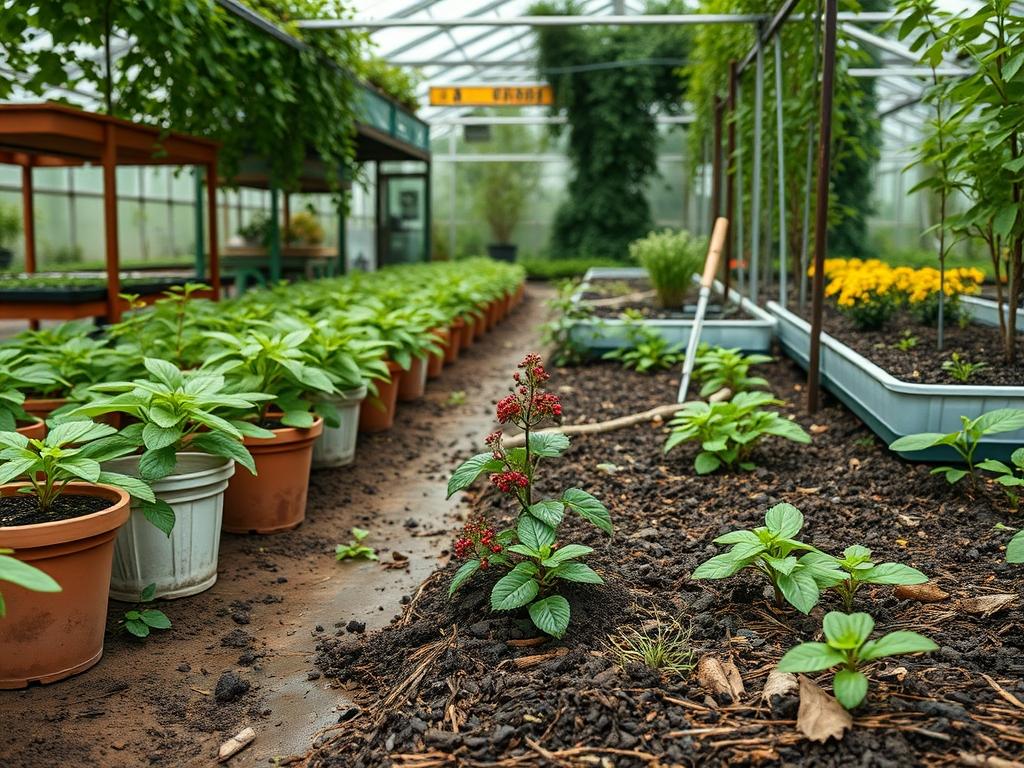
Integrating serviceberries into a professional landscape requires more than just an eye for aesthetics; it requires a deep understanding of subterranean health. As a landscape architect, I often see homeowners select the perfect specimen based on its delicate white spring blossoms or its vibrant autumn foliage, only to ignore the medium that sustains it. The success of a serviceberry, whether you are planting Amelanchier canadensis or the popular Autumn Brilliance hybrid, hinges almost entirely on the quality of the earth beneath the root ball. Creating an environment where these trees can thrive involves balancing drainage, acidity, and nutrient density. When we talk about the best soil for serviceberries, we are discussing a foundation that supports long-term curb appeal and ecological functionality.
The challenge in modern landscaping often lies in the disturbed soil profiles typical of suburban developments. Most new builds feature heavily compacted clay or nutrient-depleted fill dirt that lacks the porosity these trees crave. Serviceberries are resilient, yet they possess a specific sensitivity to “wet feet,” meaning their roots will quickly rot if they sit in stagnant water for extended periods. To achieve the outdoor functionality goals of a high-end landscape, you must bridge the gap between your existing site conditions and the ideal loamy environment the species prefers. This involves a calculated approach to grading and site preparation that ensures your investment does not perish within the first three seasons.
Landscape Design Principles
When planning the placement of serviceberries, we must consider the principles of symmetry and focal points. These trees serve as excellent anchors for the corners of a residence or as transitional elements between a formal lawn and a wilder woodland edge. Because they are often multi-stemmed, they provide a structural complexity that single-trunk trees lack. We use them to create elevation layers, placing them behind lower-tier shrubs like Boxwood and in front of towering evergreens like Eastern White Pine. This layering creates a sense of depth and visual balance that draws the eye through the property rather than letting it rest on a single flat plane.
Irrigation planning is another pillar of professional design. Serviceberries should be grouped with other plants that share similar moisture requirements. Placing a thirsty serviceberry next to a drought-tolerant Lavender hedge creates a maintenance nightmare; one will always be either too wet or too dry. Furthermore, consider the proximity to walkways and hardscaping. While serviceberries do not have aggressive, sidewalk-lifting root systems, they do drop small blue-black fruits in the summer. Choosing a location where the fruit can fall onto a Mulch Bed or a groundcover layer ensures that your stone or paver walkways remain clean and unstained.
Plant and Material Selection
| Plant Type | Sun Exposure | Soil Needs | Water Demand | Growth Speed | Maintenance Level |
| :— | :— | :— | :— | :— | :— |
| Serviceberry (Amelanchier) | Full Sun / Part Shade | Well-drained Loam | Moderate | Medium | Low |
| Dwarf Fothergilla | Full Sun / Part Shade | Acidic, Organically Rich | Moderate | Slow | Low |
| Blue Star Amsonia | Full Sun / Part Shade | Moist, Well-drained | Medium | Medium | Medium |
| Lowbush Blueberry | Full Sun | Sandy, Acidic Soil | High | Slow | Medium |
| Little Lime Hydrangea | Full Sun / Part Shade | Rich, Porous Earth | High | Fast | Medium |
| Creeping Phlox | Full Sun | Gritty, Well-drained | Low | Fast | Low |
Implementation Strategy
The process begins with a thorough site analysis. Before a single Shovel enters the ground, you must determine the drainage capacity of your site. I recommend a simple percolation test: dig a hole 12 inches deep, fill it with water, and monitor how long it takes to empty. If the water remains after six hours, you are dealing with heavy clay or a high water table, both of which require significant soil modification or the installation of a French Drain. In such cases, planting on a slight mound or a raised berm can provide the necessary elevation to keep the root crown above the saturated zone.
When the time comes to plant, the hole should be 2 to 3 times wider than the root ball but no deeper. This encourages lateral root expansion into the surrounding native soil. The best soil for serviceberries is a mixture of approximately 60 percent native soil and 40 percent organic amendments. Use high-quality Leaf Mold, Aged Compost, or Spherical Peat Moss to increase the organic content and lower the pH slightly. Serviceberries prefer a pH range between 5.5 and 7.0. If your soil is excessively alkaline, incorporate a small amount of Elemental Sulfur to bring the levels down.
Once the tree is positioned, backfill the hole and tamp it down lightly with your hands to remove large air pockets. Avoid using your feet to compact the earth, as this can crush the delicate macropores necessary for oxygen exchange. Apply a layer of Hardwood Mulch at a depth of 2 to 3 inches, ensuring the mulch does not touch the actual bark of the trunk. This layer serves multiple purposes: it regulates soil temperature, suppresses weeds, and breaks down over time to provide a slow-release source of nutrients.
Common Landscaping Failures
The most frequent mistake I see in the field is soil compaction. Construction equipment or even heavy foot traffic can compress the soil so tightly that roots cannot penetrate and water cannot infiltrate. In these environments, serviceberries struggle, showing signs of leaf scorch and stunted growth. If your yard has high traffic, consider aerating the soil with a Core Aerator before planting. Another common failure is improper spacing. People often underestimate the mature spread of a serviceberry, which can reach 15 to 20 feet in diameter. Planting them too close to a structure or to each other leads to poor air circulation, which invites powdery mildew and fungal issues.
Irrigation inefficiencies also rank high on the list of failures. While young trees need consistent moisture, over-irrigation in heavy soil is a death sentence. Many homeowners set their Automatic Sprinklers to run for short bursts every day. This promotes shallow root growth. Instead, use a Soaker Hose or Drip Irrigation system to provide a deep, thorough soaking once or twice a week. This encourages the roots to dive deep into the soil profile where moisture is more stable, making the tree much more resilient during heat waves.
Seasonal Maintenance
Spring is the time for renewal and assessment. As the ground thaws, check for any signs of winter heaving or salt damage if the tree is near a road. This is the ideal window to apply a balanced, slow-release Fertilizer if a soil test indicates a nutrient deficiency. Pruning should be kept to a minimum, focusing only on the “three Ds”: dead, damaged, or diseased wood. If you wish to shape the tree, do so immediately after the spring flowers fade to avoid cutting off next year’s buds.
Summer maintenance is largely centered on water management. During the peak heat of July and August, a serviceberry can lose moisture rapidly through its leaves. Monitor the Mulch Depth and replenish it if it has thinned out. If you notice the leaves curling or drooping, it is time for a deep saturation. Autumn brings the payoff with spectacular color, but it is also when you should prepare the tree for dormancy. Clear away fallen fruit or debris that might harbor pests over the winter. Avoid heavy fertilizing in late summer or fall, as this can stimulate soft, new growth that will be killed by the first frost.
Winter is the season of structural visibility. With the leaves gone, you can clearly see the architecture of the tree. Check for scale insects or other pests that might be overwintering on the bark. If your region experiences heavy snow, gently brush accumulated weight off the branches using a Soft Broom to prevent breakage. By following this seasonal rhythm and ensuring the soil remains healthy and porous, your serviceberries will become a permanent, low-maintenance highlight of your landscape for decades to come.
Professional Landscaping FAQ
What is the ideal soil pH for a serviceberry?
Serviceberries thrive in slightly acidic to neutral soil. Aim for a pH between 5.5 and 7.0. If your soil is too alkaline, the tree may develop chlorosis, which causes the leaves to turn yellow while the veins remain green.
Do I need to add sand to my soil for better drainage?
Adding sand to heavy clay can actually create a concrete-like consistency. It is better to use Compost or Pine Bark Fines to improve structure. These organic materials create space for air and water without ruining the soil texture.
Can serviceberries grow in full shade?
While they are adaptable, serviceberries in full shade will produce fewer flowers and berries. They also lose the intensity of their fall color. For the best performance, provide at least six hours of sunlight daily in well-drained soil.
How deep should my mulch layer be?
A depth of 2 to 3 inches is perfect. Any deeper can suffocate the roots and prevent water from reaching the soil. Always keep the mulch a few inches away from the trunk to prevent rot and rodent damage.
How often should I fertilize my serviceberry?
If your soil is rich in organic matter, you may not need to fertilize at all. However, a light application of a 10-10-10 fertilizer in early spring can help if growth seems sluggish or the soil is poor.