
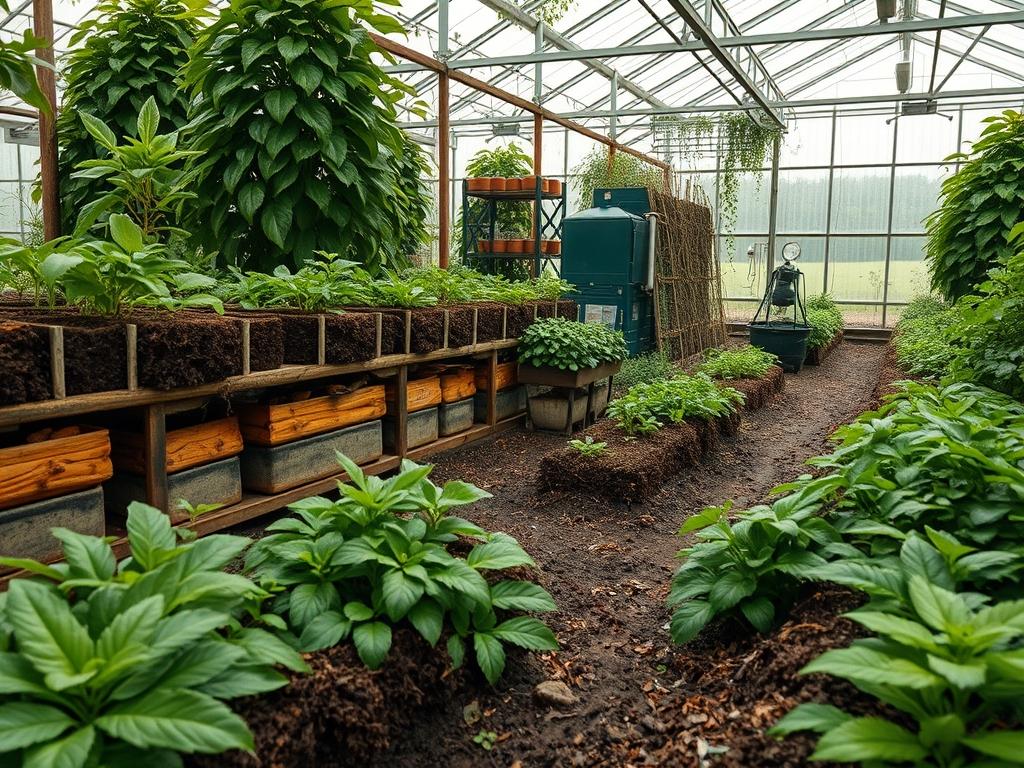
Every high-end landscape begins beneath the surface. While many designers focus on the immediate visual impact of stone paving or mature specimen trees, long-term success is dictated by the biological integrity of the soil. Leaf mold composting is the secret of many professional landscape architects who seek to build resilient, self-sustaining environments. It addresses the fundamental challenge of soil compaction and moisture management that often undermines expensive residential projects. By recycling the seasonal debris of deciduous trees into a carbon-rich soil conditioner, we solve the problem of nutrient depletion while simultaneously increasing the property’s curb appeal through superior plant vitality.
The process of creating leaf mold differs significantly from traditional hot composting. While standard compost relies on a bacterial breakdown of green and brown materials, leaf mold is a cold, fungal-driven process. For a landscape consultant, this distinction is vital because the resulting material is an unparalleled soil conditioner that improves structure without the risk of nitrogen burn. It creates a forest floor mimicry that is essential for the health of ornamental shrubs and woodland perennials. Implementing a professional-grade leaf mold system adds a layer of outdoor functionality, turning what is often perceived as a waste product into the most valuable resource on the site.
Landscape Design Principles
In professional landscape architecture, every element must serve a dual purpose. A well-designed leaf mold station is not merely a utility area; it can be integrated into the property’s symmetry and focal points. When we plan the layout of a grand estate or a suburban garden, we consider the flow of organic matter alongside the flow of pedestrian traffic. Placing leaf containment systems near the perimeter, perhaps screened by a retaining wall or a row of Taxus baccata, ensures that the infrastructure does not detract from the visual balance of the primary outdoor living spaces.
Visual balance is further achieved by using the resulting leaf mold to define elevation layers. By enriching the soil in specific zones, we can encourage more robust growth in the background layers, creating a natural green screen that enhances privacy. Symmetry in the garden is often interrupted by uneven plant health; leaf mold acts as an equalizer, providing a consistent growth medium across different beds. Furthermore, the integration of leaf mold into the irrigation planning phase allows for a reduction in total water demand. Because this material can hold up to several times its weight in water, it creates a buffer that protects the investment in high-end plant material during periods of drought.
Focal points like statuary or water features benefit from being surrounded by the dark, rich texture of leaf-mold-enhanced soil. This creates a high-contrast background that makes architectural features pop. Walkways also benefit indirectly. When the soil adjacent to a path is well-structured and stable through the use of organic conditioners, there is less runoff and erosion that might otherwise stain or undermine bluestone or paver surfaces.
Plant and Material Selection
The following table highlights species and materials that are particularly responsive to the moisture-retentive and fungal-rich characteristics of leaf mold.
| Plant Type | Sun Exposure | Soil Needs | Water Demand | Growth Speed | Maintenance Level |
| :— | :— | :— | :— | :— | :— |
| Hosta | Partial to Full Shade | Rich, Organic | Moderate to High | Medium | Low |
| Japanese Maple | Partial Shade | Well-Drained | Moderate | Slow to Medium | Medium |
| Christmas Fern | Full Shade | Consistent Moisture | Moderate | Slow | Low |
| Hydrangea | Sun to Part Shade | Deep, Humic | High | Fast | Medium |
| Rhododendron | Partial Shade | Acidic, Airy | Moderate | Slow | High |
| Oakleaf Hydrangea | Sun to Part Shade | Loamy, Moist | Moderate | Medium | Low |
Implementation Strategy
A successful implementation starts with a precise backyard layout. First, assess the grading of the site. Leaf mold should be produced in a well-drained area to prevent the material from becoming anaerobic and foul-smelling. We typically recommend a footprint of at least 4 feet by 4 feet for each bin to ensure enough mass to retain moisture. Construct these bins using cedar posts and galvanized wire mesh to allow for maximum airflow, which is critical for fungal colonization.
Once the infrastructure is in place, the collection process begins. Use a lawnmower or a specialized shredder to reduce the particle size of the leaves. This increases the surface area for fungi to attach, accelerating a process that usually takes two years down to twelve months. Layer the shredded leaves in the bins and moisten them thoroughly with a garden hose. The depth of the pile should be maintained through seasonal additions, but for professional grading purposes, ensure the bins are placed away from the house foundation to avoid any moisture-related drainage issues.
When the leaf mold is ready, it should be applied as a top-dressing or integrated into the soil during the planting phase. For new beds, incorporate a 3-inch layer of leaf mold into the top 6 inches of native soil using a spade or rototiller. This improves the drainage of heavy clay and adds body to sandy soils. For established landscapes, apply it as a mulch at a depth of 2 inches, keeping it an inch away from the trunks of trees and stems of shrubs to prevent rot. This strategy ensures that the subterranean environment is as carefully curated as the visible garden.
Common Landscaping Failures
One of the most frequent mistakes in residential landscaping is the failure to address soil compaction before planting. When heavy machinery is used during construction, the soil is often left as hard as concrete. Simply digging a hole and dropping in a plant is a recipe for root overcrowding and eventual death. Leaf mold is the ideal remedy for this, as it introduces the pore space necessary for roots to breathe and expand.
Another common failure involves improper drainage. If a landscape is graded toward the house or into low-lying pockets without an exit strategy, leaf mold can become waterlogged. Professional landscape plans must include a French drain or a subterranean PVC piping system if the natural percolation rate is too low. Furthermore, many novice gardeners make the mistake of using fresh, non-decomposed leaves as mulch. Fresh leaves can form a mat that actually repels water and prevents the soil from breathing; only fully aged leaf mold or finely shredded leaves should be used in the heart of the garden.
Irrigation inefficiencies also take a toll. Often, systems are set to a timer without regard for the soil’s actual moisture content. By using leaf mold, the soil’s water-holding capacity increases, meaning the irrigation controller settings should be adjusted to water less frequently but more deeply. Ignoring this adjustment leads to overwatering, which can drown the very mycelium networks that make leaf mold so effective.
Seasonal Maintenance
Spring maintenance involves the transition from protection to growth. As the ground thaws, pull back any heavy winter mulch to allow the soil to warm up. This is the optimal time to work finished leaf mold into your flower beds before the spring rains. Check your irrigation lines for leaks and ensure that the emitters are not clogged by organic debris.
In the summer, the focus shifts to moisture retention. The heat of July and August can quickly dessicate soil. Apply a fresh layer of leaf mold to act as a cooling blanket for the root zones of your most prized Japanese Maples or Azaleas. This reduces the stress on the plants and maintains the aesthetic of a lush, thriving environment even in high temperatures.
Autumn is the harvest season for raw materials. Collecting and shredding leaves using a leaf vacuum or power blower is the most important task of the year. Focus on high-quality leaves like Oak, Maple, and Beeach, while avoiding excessive amounts of Walnut or Eucalyptus, which may contain growth-inhibiting compounds. Fill your bins to the brim, knowing they will settle significantly by mid-winter.
Winter is a period of passive decomposition. While the garden is dormant, the fungi in your leaf mold piles are still hard at work. If the winter is particularly dry, you may need to manually water the piles once a month to keep the biological process active. Use this time to inspect your hardscaping, checking for any shifting in stone walls or pavers that might need adjustment before the spring thaw.
Professional Landscaping FAQ
How long does it take for leaves to become mold?
In a professional setting, shredded leaves typically decompose into usable leaf mold within twelve months. Unshredded leaves may take up to two or three years depending on the species of tree and the consistent moisture levels within the pile.
Can I use leaf mold as a lawn dressing?
Yes. Finely screened leaf mold is an excellent top-dressing for turfgrass. It improves the soil structure beneath the grass blades, helping the lawn stay green during summer heat while reducing the need for synthetic chemical fertilizers.
Does leaf mold change the soil pH?
Leaf mold is generally near-neutral when fully decomposed. While some leaves are acidic when fresh, the finished product is an excellent buffer that helps stabilize soil pH, making it safe for a wide variety of ornamental plants.
What is the difference between leaf mold and compost?
Compost is a high-temperature process driven by bacteria and a mix of nitrogen and carbon. Leaf mold is a cool, slow process driven primarily by fungi. Leaf mold is superior for improving soil structure and water retention.
Is leaf mold better than wood mulch?
They serve different purposes. Wood mulch is excellent for weed suppression and aesthetics on top of the soil. Leaf mold is a superior soil conditioner that actively improves the biological health and moisture-holding capacity of the root zone.