
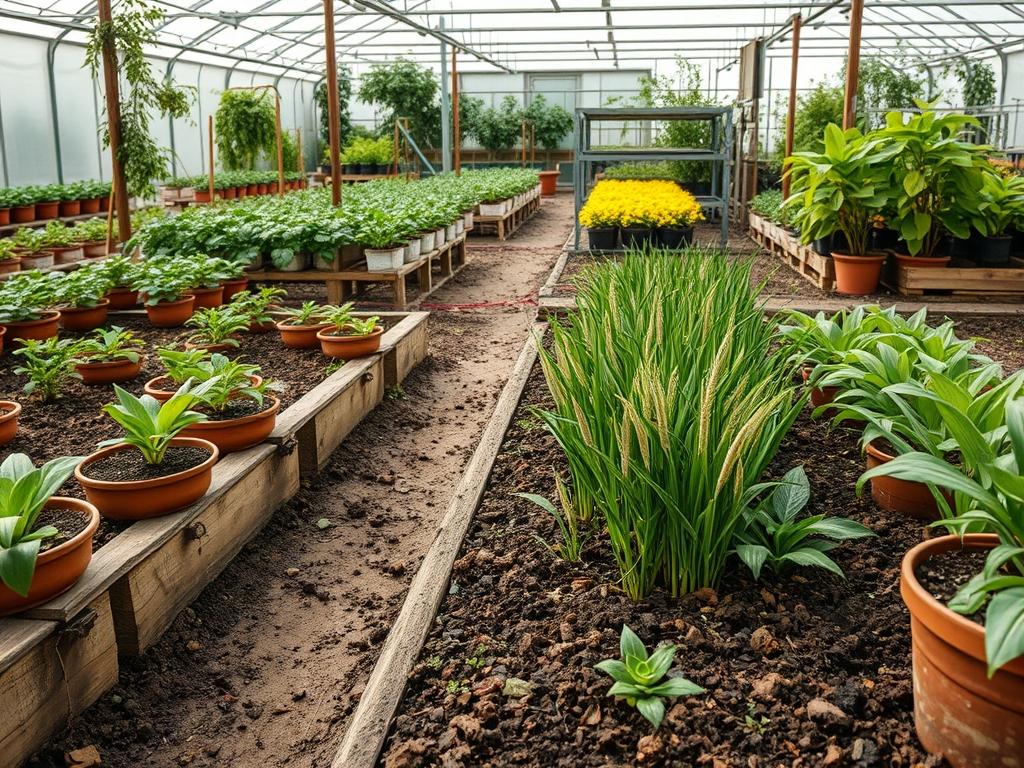
The pursuit of a resilient and aesthetically pleasing landscape often begins beneath the surface where the structural integrity of the soil dictates the success of every nursery specimen and architectural feature. Professional designers are increasingly moving away from traditional inorganic amendments like perlite or vermiculite, choosing instead to embrace sustainable byproducts that offer long term benefits for site ecology. Using rice hulls in soil provides a carbon neutral solution for improving drainage and aeration, which is essential for maintaining high curb appeal in climates prone to heavy rainfall or seasonal droughts. By integrating these parboiled or raw husks into the landscape profile, designers can facilitate better oxygen exchange at the root zone, ensuring that ornamental installations remain vibrant and structurally sound throughout their lifecycle.
Effective outdoor environment planning requires a balance between functionality and beauty. When we sit down to draft a site plan, we evaluate the soil texture to determine if it can support the weight of heavy hardscaping or the density of varied botanical layers. Using rice hulls in soil serves as a primary tool for breaking up heavy clay or compacted silt, which are common obstacles in suburban development. This organic amendment increases the macroporosity of the earth, allowing water to move through the profile rather than pooling on the surface. When soil is managed correctly, the resulting landscape reflects a professional finish where every Evergreen and Broadleaf shrub can reach its genetic potential without the stress of “wet feet” or oxygen deprivation.
Landscape Design Principles
A successful landscape design relies on several core principles to create a cohesive and inviting outdoor space. Symmetry and visual balance provide the framework for the eye to follow, often achieved through the careful positioning of Focal Points such as an ornamental Acer palmatum or a structured stone Retaining Wall. However, these visual elements are only as stable as the ground beneath them. Incorporating Rice Hulls into the planting beds around these focal points ensures that the soil remains light and friable, preventing the slumping that often occurs when heavy soils settle over time.
Elevation layers are another critical component of modern design. By creating transition zones between low lying groundcovers and mid story shrubs, we add depth to the viewer’s perspective. These layers requires precise Irrigation Planning to ensure that water reaches the deepest roots without causing erosion or runoff. Using rice hulls in soil assists in this regard by helping the medium retain a consistent moisture level while letting excess water exit the root zone. Furthermore, the use of these hulls in pedestrian Walkways or under Step Stones can help stabilize the subgrade while providing a soft, permeable layer that mitigates the “heat island” effect often seen with solid concrete surfaces.
Plant and Material Selection
| Plant Type | Sun Exposure | Soil Needs | Water Demand | Growth Speed | Maintenance Level |
| :— | :— | :— | :— | :— | :— |
| Buxus sempervirens | Full to Partial | Well-drained, pH 6.8 | Moderate | Slow | Medium |
| Lavandula angustifolia | Full Sun | Sandy, High Aeration | Low | Medium | High |
| Liriope muscari | Partial to Shade | Loamy, Amended | Moderate | Fast | Low |
| Hydrangea macrophylla | Partial Shade | Rich, High Moisture | High | Fast | Medium |
| Picea glauca ‘Conica’ | Full Sun | Acidic, Stable | Moderate | Slow | Low |
Implementation Strategy
The process of constructing a high performance garden starts with a comprehensive Grading plan. Before any aesthetic elements are placed, the land must be shaped to direct water away from the home foundation and toward designated drainage swales. During this phase, we recommend incorporating Rice Hulls at a depth of 6 inches to 8 inches into the topsoil. For standard garden beds, a ratio of 20 percent to 30 percent hulls by volume is ideal. Utilizing a heavy duty Rototiller ensures that the hulls are evenly distributed, creating a uniform texture that prevents localized waterlogging.
Once the soil is amended, the next step involves defining the Edging lines. Whether using professional grade Steel Edging or Paver Borders, the goal is to create a crisp transition between turf and planting areas. After the plants from our selection table are positioned according to their light and space requirements, a finishing layer of Mulch should be applied. While rice hulls can be used as a top dressing, they are most effective when mixed into the soil, covered by a heavier Double Shredded Hardwood Mulch to prevent the light husks from blowing away. This layering approach protects the soil biology and helps maintain structural stability around new Hardscaping features such as fire pits or patios.
Common Landscaping Failures
The most frequent mistake in amateur landscaping is ignoring the subsurface drainage requirements of the site. When water cannot penetrate the soil, it builds up hydraulic pressure against Retaining Walls and footings, leading to structural failure. Using rice hulls in soil addresses this by creating permanent air pockets that do not collapse as easily as those created by sand or peat moss. Additionally, many gardeners suffer from root overcrowding and improper spacing. When soil is too dense, roots grow horizontally in search of oxygen, eventually strangling neighboring plants. Amended soil encourages deep vertical root growth, which allows for closer spacing and a more lush, professional appearance.
Irrigation inefficiencies also take a heavy toll on landscape longevity. Over watering in heavy clay leads to root rot, while under watering in sandy paths leads to plant desiccation. Using rice hulls in soil creates a “buffering” effect; the hulls absorb a small amount of water to release later while keeping the majority of the pore space open for air. Finally, avoid the common failure of soil compaction caused by heavy foot traffic or equipment. If a landscape bed is properly amended with Rice Hulls, it gains a degree of resilience against compaction, maintaining its loft and health even after seasonal maintenance visits or garden parties.
Seasonal Maintenance
Spring is the primary season for assessment and renewal. As the ground thaws, inspect your garden beds for any settling. This is the best time to top dress with additional Compost and Rice Hulls to replenish organic matter. Use a Hand Trowel to work these materials into the top few inches of soil around emerging perennials. Check your Irrigation Controller to ensure that the schedule accounts for the increased drainage capacity of your amended soil, adjusting for the higher transpiration rates of your Hydrangeas and other large leafed species.
During the Summer months, focus shifts to moisture management and weed suppression. The silica content in Rice Hulls provides a slight deterrent to some crawling insects, but the primary benefit is heat regulation. A well aerated soil stays cooler than a dense, baked earth surface. In Autumn, as deciduous plants drop their leaves, you can incorporate these fallen materials along with more hulls back into the soil. This mimicry of the forest floor provides a nutrient boost for the following year. Winter maintenance involves protecting the soil from extreme freezing and thawing cycles. A thick layer of amended soil acts as an insulator, protecting the delicate root systems of Buxus and other evergreens from the “heaving” that occurs in non amended ground.
Professional Landscaping FAQ
How often should I add more rice hulls to my soil?
Because they are high in silica, rice hulls decompose slowly. For most landscape applications, reapply a fresh layer every 3 years to 5 years to maintain optimal aeration and soil structure in your ornamental beds.
Will using rice hulls in soil change the pH levels?
Rice hulls are essentially pH neutral. They will not drastically swing your soil chemistry like peat moss or certain wood chips might. This makes them safe for a wide variety of plants, from acid loving Azaleas to alkaline turf.
Can rice hulls replace perlite entirely in outdoor pots?
Yes, rice hulls are a sustainable, cost effective alternative to perlite in large outdoor containers or Raised Beds. They provide the same drainage benefits without the environmental cost of mining and transporting volcanic glass.
Do rice hulls attract pests or rodents to the garden?
Parboiled rice hulls are sterilized and do not contain seeds or grain, making them unattractive to rodents. Their high silica content and rough texture can actually discourage some soft bodied garden pests like slugs and snails.
How do rice hulls help with heavy clay soil drainage?
The physical shape of the hulls creates non-collapsible pores between heavy clay particles. This allows gravity to pull water through the soil profile, preventing the anaerobic conditions that lead to root rot in poorly drained landscapes.