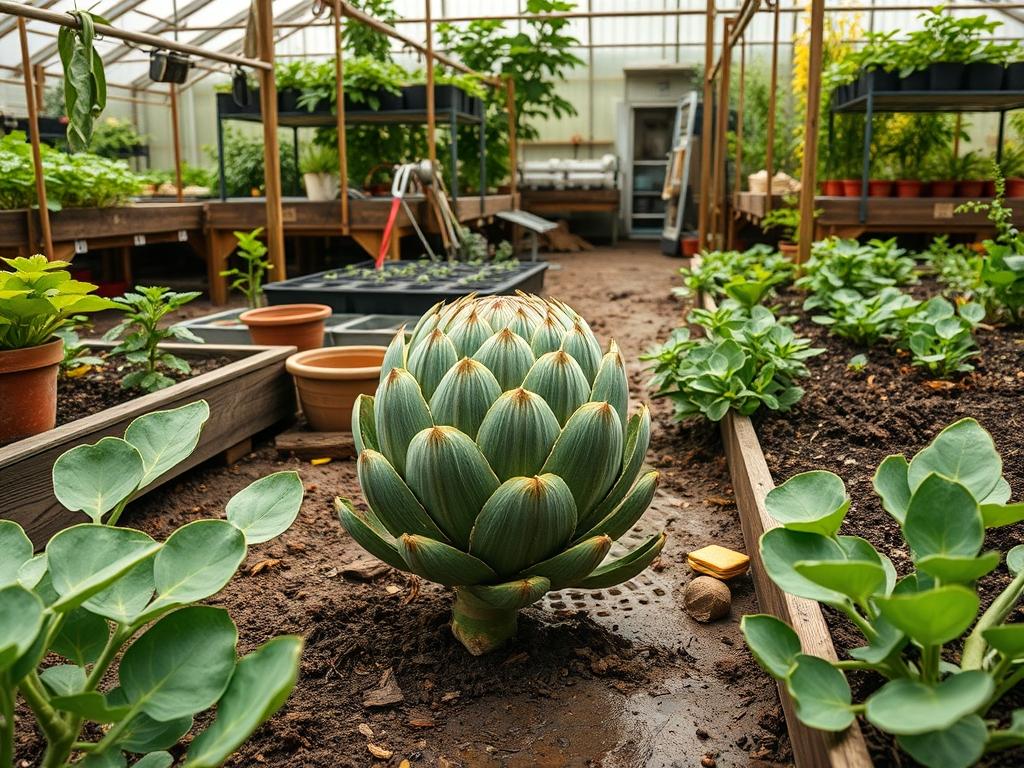
Integrating globe artichokes into a residential landscape transcends simple vegetable gardening; it is an exercise in structural design and Mediterranean aesthetics. These plants are among the most architecturally significant specimens available to a designer, offering a unique combination of silver-grey foliage, serrated textures, and towering floral structures that can reach heights of five feet or more. From a landscape architect’s perspective, the artichoke acts as a living sculpture. It provides a permanent anchor in the garden that bridges the gap between ornamental beauty and productive utility. However, the successful integration of these perennials depends entirely on the subterranean environment. The best soil for globe artichokes is not merely a planting medium; it is a complex foundation that must support a massive root system while facilitating rapid drainage and high nutrient uptake. Without a focus on soil depth and nutritional density, these plants often fail to reach their full visual and functional potential, leading to stunted growth or premature decline.
When planning a garden layout that includes globe artichokes, one must consider the curb appeal and long term functionality of the space. Because of their size and striking appearance, they work exceptionally well as focal points at the end of a vista or as rhythmic accents along a sweeping walkway. They command attention, yet they require specific climate considerations, particularly in regions where winter temperatures fluctuate. In colder zones, they are often treated as annuals or require heavy protection, but in temperate zones 7 through 10, they remain a staple of the year round garden. Achieving a professional finish requires more than just placing them in a hole. It demands a sophisticated understanding of how their broad, arching leaves interact with light and shadow, and how their presence can elevate the perceived density of a border. By prioritizing the best soil for globe artichokes from the outset, a designer ensures that the plants maintain their lush, silver sheen throughout the growing season, preventing the yellowing or wilting that can detract from a home’s exterior aesthetic.
Landscape Design Principles
Incorporating globe artichokes requires an adherence to several core landscape design principles to ensure the garden remains balanced and functional. Symmetry plays a significant role when using these plants. Because they grow with such geometric precision, placing them in pairs at the entrance of a garden or as flanking elements for a central statue creates a sense of formal order. Alternatively, using them in clusters can create a softer, more naturalistic meadow effect, particularly when paired with ornamental grasses or lavender.
Elevation layers are equally important. As tall, mid-ground plants, artichokes should be positioned behind lower-growing perennials like Thyme or Sedum, but in front of larger screening shrubs or trees. This layering creates depth and prevents the landscape from feeling two-dimensional. Irrigation planning is another critical design factor. Artichokes are thirsty plants, yet they are susceptible to crown rot. Therefore, a professional design often includes a dedicated drip irrigation system that delivers water directly to the root zone without saturating the base of the plant.
Walkways should be wide enough to accommodate the plant’s eventual spread, which can easily reach four feet in diameter. Crowding these plants against a path can lead to damaged leaves and a cluttered appearance. Finally, visual balance is achieved by contrasting the coarse texture of the artichoke leaves with finer textures. Soft, wispy plants like Mexican Feather Grass or the delicate blooms of Gaura provide a perfect foil to the bold, heavy-set nature of the artichoke.
Plant and Material Selection
Selecting the right cultivars and companion materials is essential for a cohesive environment. The following table outlines the requirements for globe artichokes and their common landscape companions.
| Plant Type | Sun Exposure | Soil Needs | Water Demand | Growth Speed | Maintenance Level |
| :— | :— | :— | :— | :— | :— |
| Globe Artichoke | Full Sun | Deep, Fertile Loam | High / Deep | Moderate | Medium |
| Spanish Lavender | Full Sun | Sandy / Well-Draining | Low | Fast | Low |
| Rosemary | Full Sun | Rocky / Alkaline | Low | Moderate | Low |
| Yarrow | Full Sun | Average / Lean | Low | Fast | Low |
| Russian Sage | Full Sun | Dry / Well-Draining | Low | Fast | Low |
| Aged Manure | N/A | High Organic Matter | N/A | N/A | N/A |
| Coarse Sand | N/A | Aeration / Drainage | N/A | N/A | N/A |
Implementation Strategy
The process begins with site grading and drainage analysis. Artichokes cannot tolerate standing water, especially during the dormant winter months. If the backyard has a high clay content, the implementation strategy must include the creation of raised mounds or the installation of a French drain system to divert excess moisture. For a backyard layout, start by digging a trench or individual holes at least 18 inches to 24 inches deep. This depth is non-negotiable because the best soil for globe artichokes must allow the central taproot to descend without hitting a compacted subsoil layer.
Once the holes are excavated, backfill them with a mixture of 40 percent garden loam, 40 percent well-rotted compost or aged steer manure, and 20 percent coarse sand or perlite. This combination provides the high nutrient levels required for bud production while ensuring that oxygen can reach the roots. Edging the garden beds with a clean, hardscaped border like steel or stone helps contain the vigorous growth and prevents the surrounding lawn from encroaching on the artichoke soil.
After planting, apply a 3 inch layer of organic mulch, such as shredded bark or straw. This mulch regulates soil temperature and retains moisture during the heat of summer. Avoid placing mulch directly against the stem to prevent fungal issues. For those incorporating hardscaping, large flagstones can be placed between plants to provide access for harvesting without compacting the carefully prepared soil.
Common Landscaping Failures
One of the most frequent mistakes in artichoke cultivation is ignoring soil compaction. When soil is packed too tightly, the large taproot becomes distorted, leading to a weak plant that is easily toppled by wind or heavy rain. Another common failure is poor drainage planning. If the plant sits in a “bowl” of heavy clay, the roots will suffocate and rot within a single season. This is why many landscape architects recommend planting on a slight elevation or slope.
Improper spacing is another pitfall. Homeowners often underestimate the massive footprint of a mature artichoke. Planting them too close together results in root overcrowding and restricted airflow, which invites pests like aphids and diseases like powdery mildew. Furthermore, irrigation inefficiencies often plague these gardens. Overhead watering can trap moisture in the dense folds of the leaves, leading to fungal rot. A professional landscape consultant will always advocate for subterranean or ground-level delivery systems. Finally, failing to refresh the nutrients annually can lead to a decline in vigor. Artichokes are heavy feeders; they require consistent inputs of nitrogen and potassium to maintain their structural integrity and produce quality buds.
Seasonal Maintenance
Seasonal management begins in the spring with a heavy application of balanced organic fertilizer just as new growth emerges. This is the time to check the irrigation lines for clogs and to refresh any mulch that decomposed over the winter. As the temperatures rise in summer, the focus shifts to moisture management and pest monitoring. If the plant is being grown for its ornamental value rather than food, the buds can be allowed to open into stunning, iridescent purple thistles, though this will significantly reduce the plant’s energy for the following year.
In autumn, the architectural skeleton of the plant should be assessed. Once the harvest is complete and the weather cools, the stalks can be cut back. For those in colder climates, autumn is the season for “hilling,” where soil and mulch are piled over the crown to protect it from frost. Winter maintenance is largely passive, but it is the best time for landscape planning and soil testing. If the soil has settled significantly, adding a top-dressing of compost during the winter allows the nutrients to leach into the ground before the spring growth spurt begins.
Professional Landscaping FAQ
What is the ideal pH for globe artichoke soil?
The best soil for globe artichokes should have a pH between 6.5 and 7.0. This slightly acidic to neutral range ensures that essential micronutrients remain available to the plant’s deep root system during the peak growing season.
How deep do the roots of a globe artichoke grow?
A mature artichoke taproot can reach depths of three feet. However, for landscape health, providing a minimum of 18 to 24 inches of loose, nutrient-rich soil is necessary to support the plant’s massive foliage and floral stems.
Can I grow globe artichokes in heavy clay soil?
Clay soil is problematic due to its lack of drainage and high compaction. To succeed, you must amend the area heavily with organic matter and sand, or better yet, construct raised beds to provide the necessary drainage and soil depth.
How often should I fertilize my globe artichokes?
For professional results, fertilize in early spring and again in mid-summer. Use a high-nitrogen organic fertilizer or a thick layer of aged compost to sustain the rapid growth and large leaf surface area these plants produce.
Why are the bottom leaves of my artichoke turning yellow?
Yellowing leaves often indicate either a nitrogen deficiency or poor drainage causing root stress. Ensure you are using the best soil for globe artichokes, which includes high organic content and excellent porosity to prevent waterlogging.