
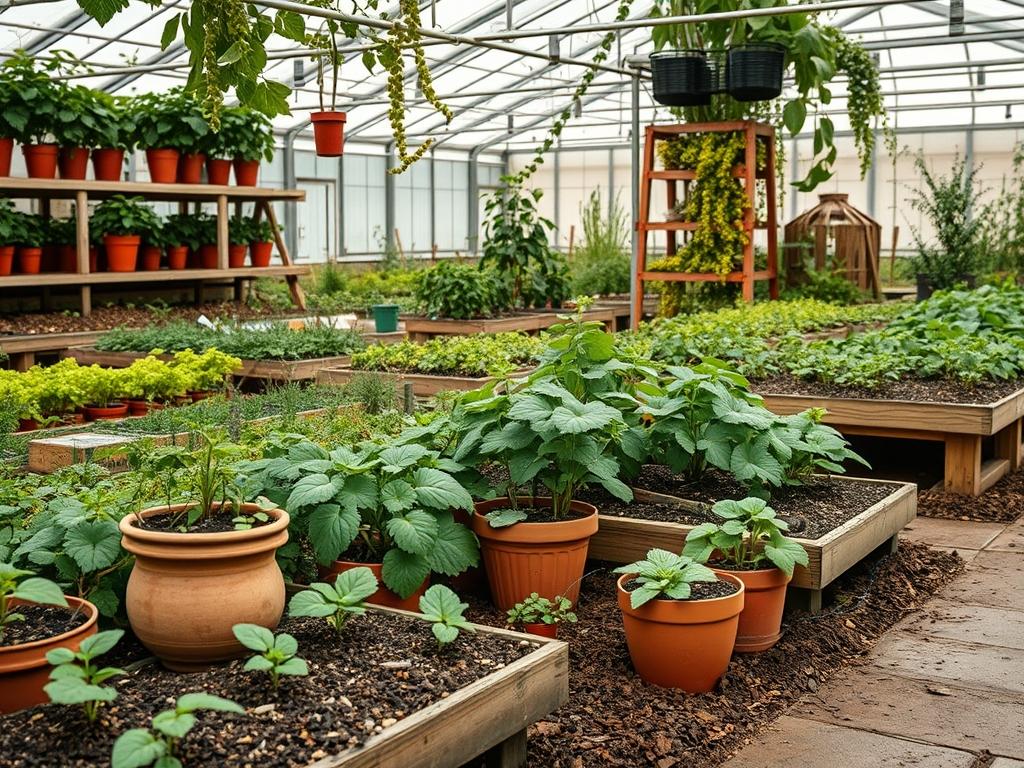
Designing a landscape that balances aesthetic elegance with high-yield productivity requires a deep understanding of site-specific variables and plant physiology. Currants, belonging to the genus Ribes, are often overlooked in the modern residential garden despite their vibrant berry clusters and structured, maple-like foliage. These shrubs offer a unique opportunity to enhance curb appeal through their deciduous textures while serving a functional purpose for home jam and preserve production. To achieve success, a landscape architect must prioritize Currant Soil Requirements as the foundational element of the design. These plants are sensitive to heat and drought; they demand a soil profile that retains consistent moisture without becoming anaerobic or waterlogged. When planning the transition from a traditional lawn to a productive edible landscape, one must consider how the soil structure will support the heavy nutrient demands of a plant destined for the kitchen.
Landscape Design Principles
Integrating currants into a professional landscape design requires a focus on both visual harmony and accessibility for harvesting. Currants function exceptionally well as a mid-layer in a tiered planting scheme. By placing taller fruit trees like Apples or Pears in the background and low-growing herbs or strawberries in the foreground, you create a sense of depth and volume. Focal points can be established using Red Currants (Ribes rubrum), which produce translucent, jewel-like clusters that catch the sunlight, providing a brilliant pop of color against darker evergreen backdrops.
Symmetry is often achieved by using currants as a formal or semi-formal hedge. Because they respond well to pruning, they can be shaped to define walkways or border a patio area. However, the design must account for the specific airflow needs of the plant to prevent powdery mildew. Elevation plays a crucial role here; planting on slight slopes or in raised beds constructed from Cedar or Natural Stone can assist with drainage while raising the fruit to a comfortable picking height. Irrigation planning is equally vital. A hidden Drip Irrigation system should be mapped out during the initial design phase to ensure that water is delivered directly to the root zone, keeping the foliage dry and reducing the risk of fungal infections that can ruin a jam harvest.
Plant and Material Selection
Selecting the right cultivars and soil amendments is the difference between a struggling shrub and a bountiful harvest. The following table outlines the requirements for the most common varieties used in luxury edible landscapes.
| Plant Type | Sun Exposure | Soil Needs | Water Demand | Growth Speed | Maintenance Level |
| :— | :— | :— | :— | :— | :— |
| Black Currant | Full Sun to Part Shade | Heavy Loam, Rich Organic | High | Moderate | Medium |
| Red Currant | Full Sun | Well-drained Silt Loam | Moderate | Fast | Low |
| White Currant | Part Shade | Sandy Loam with Compost | Moderate | Fast | Low |
| Jostaberry | Full Sun | Deep, Fertile Loam | High | Very Fast | Medium |
| Pink Currant | Full Sun | Light Loam, High Potash | Moderate | Moderate | Low |
For the soil itself, select high-quality Organic Compost, Aged Manure, and Sphagnum Peat Moss to adjust the texture. Hardwood Mulch or Pine Bark is recommended for top-dressing to maintain the cool root temperatures these plants prefer.
Implementation Strategy
The implementation of a currant-focused landscape begins with a thorough site analysis and grading plan. You must ensure the ground slopes away from residential structures at a minimum of two percent to prevent basement dampness while directing excess runoff toward a bioswale or rain garden. Once the site is graded, the professional approach involves excavating a trench or individual planting holes that are twice as wide as the root ball.
Refining the Currant Soil Requirements involves a custom mix. In areas with heavy clay, incorporate Coarse Sand and Leaf Mold to improve porosity. Currants thrive in a pH range between 6.0 and 6.8. If the soil is too alkaline, apply Elemental Sulfur; if it is too acidic, use Dolomitic Lime. After the soil is amended, install the hardscaping elements such as Steel Edging or Flagstone Walkways. These elements provide the structural “bones” of the garden and prevent turf grass from encroaching on the nutrient-dense soil intended for the shrubs.
When planting, set the shrubs slightly deeper than they were in the nursery container. This encourages a multi-stemmed habit which increases the surface area for berry production. Apply a Slow-release Organic Fertilizer high in potassium, as this specific nutrient is essential for the pectin development required in high-quality jams. Finally, apply a 3-inch layer of mulch, ensuring the material does not touch the base of the stems, as this can invite rodents or rot.
Common Landscaping Failures
The most common failure in edible landscaping is neglecting the long-term compaction of the soil. In high-traffic areas near walkways, the soil can become pressed down, squeezing out the oxygen that currant roots require. To avoid this, designers should include designated stepping stones within the planting beds to distribute weight.
Another frequent mistake is improper drainage. While currants enjoy moisture, sitting in stagnant water will lead to Phytophthora Root Rot almost immediately. If your site has a high water table, the use of French Drains or Perforated Pipe systems buried beneath the planting zone is a professional necessity. Furthermore, overcrowding is a significant issue. A mature currant bush requires a diameter of approximately 3 to 5 feet. Planting them too closely together restricts sunlight to the center of the bush, leading to uneven ripening of the fruit and a decrease in the sugar content necessary for flavorful jams. Lastly, failing to account for “Air Drainage” on sloped properties can result in frost pockets that kill early spring blossoms, effectively neutralizing the year’s harvest before it begins.
Seasonal Maintenance
A professional landscape is not a static installation; it is a living system that requires seasonal calibration. In the Spring, the focus is on nutrient replenishment and mulching. As the ground thaws, apply a fresh layer of compost and check the Drip Irrigation lines for any winter damage or clogs. This is also the time to apply a dormant spray if the region is prone to aphids or mites.
During the Summer, moisture management is the priority. Currants have shallow root systems and can scorch quickly in temperatures exceeding 85 degrees Fahrenheit. Monitor soil moisture levels closely, ensuring the top 6 inches of soil remain damp. After the harvest, which usually occurs in mid to late summer, remove any damaged or diseased wood to maintain the structural integrity of the shrub.
In the Autumn, the goal is preparation for dormancy. Clear away fallen leaves, especially if they show signs of rust or spotting, and dispose of them away from the garden site. Apply a final thin layer of mulch to insulate the roots against the “freeze-thaw” cycles of early winter.
Winter is the primary season for structural pruning. A well-maintained currant bush should have a mix of one, two, and three-year-old wood. Using Bypass Pruners, remove any wood older than three years, as these stems produce smaller, inferior fruit. This ensures that the energy of the plant is directed toward the most productive canes, resulting in the large, succulent berries required for premium preserves and jams.
Professional Landscaping FAQ
What is the ideal pH for currant jam production?
Currants prefer a slightly acidic to neutral soil, specifically between 6.0 and 6.8. This range ensures optimal nutrient uptake, which directly influences the sugar and pectin levels in the berries, resulting in a better set for your jams.
How much sun do currants actually need?
While they tolerate partial shade, especially in hotter climates, full sun is required for maximum fruit production. Six to eight hours of direct sunlight promotes the ripening process and increases the depth of flavor in the fruit skins.
Can I grow currants in large stone planters?
Yes, but you must ensure the containers have excellent drainage and a high-volume soil capacity. Use a potting mix rich in Perlite and Compost, and be prepared to water more frequently than you would for in-ground plantings.
How do I prevent birds from stealing the harvest?
Incorporate aesthetic bird netting or decorative wire cages into your landscape design. Some architects use Trellises to support netting, ensuring it stays off the foliage while protecting the berries as they reach peak ripeness for picking.
Why are my currant leaves turning yellow and dropping?
This is often a sign of nitrogen deficiency or water stress. Check your Currant Soil Requirements by performing a soil test. If the soil is dry, increase irrigation; if it is wet, check for compaction and drainage issues.