
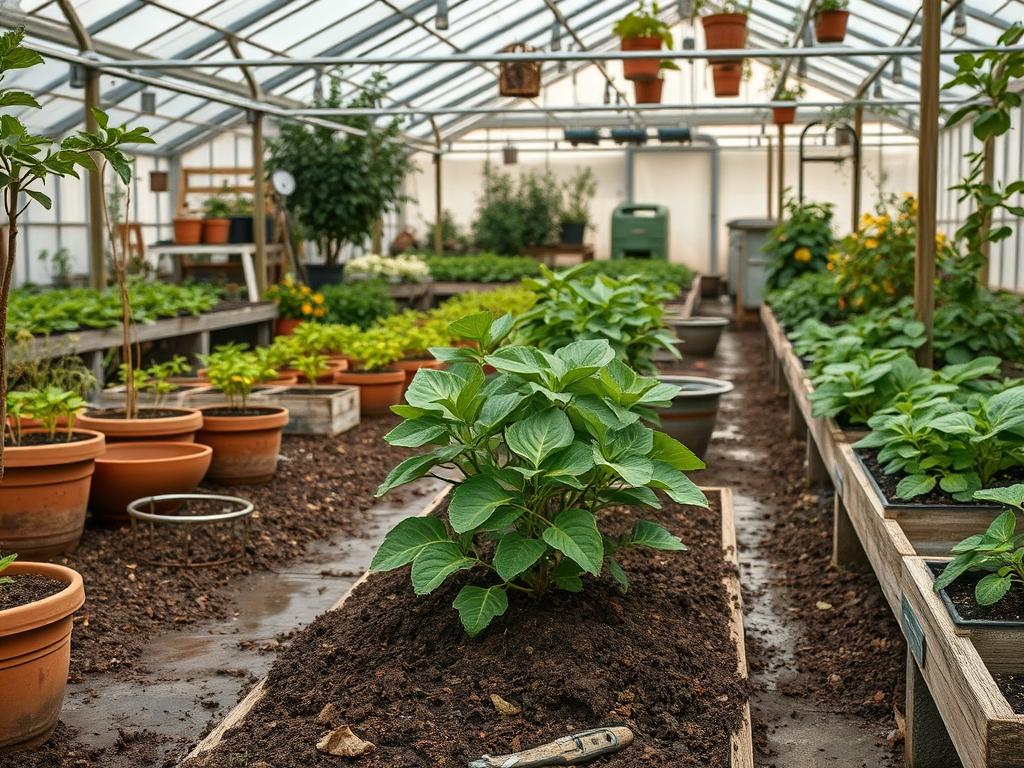
Integrating a structural fruit tree into a sophisticated outdoor environment requires a precise understanding of the intersection between aesthetics and soil science. The common fig, known scientifically as Ficus carica, serves as a powerful focal point in modern landscaping due to its architectural leaf patterns and silvery bark. However, professional landscape architects often encounter the same challenge: a tree that refuses to thrive despite a high-sun location. This failure usually stems from ignoring the native geological origins of the species. To achieve the lush canopy and heavy yields associated with Mediterranean estates, the best soil for fig trees must prioritize high lime content and significant grit. These elements do more than just provide nutrients; they ensure the structural integrity of the root zone and regulate moisture in a way that prevents the most common causes of tree decline.
When planning a landscape that features figs, curb appeal and long-term functionality go hand in hand. A fig tree is a permanent installation that can live for decades, meaning the initial site preparation is a capital investment in the property’s value. In many regions, native soils are overly acidic or heavy with clay. This creates a disconnect between the tree’s needs and its environment. By amending the installation site with crushed limestone and coarse grit, you create a micro-environment that facilitates rapid establishment. This prevents the stunted growth and yellowed leaves that often plague suburban orchards. Furthermore, a thriving fig tree provides significant shade for outdoor kitchens and patios, enhancing the utility of the backyard space throughout the peak of summer.
Landscape Design Principles
Successful garden design relies on a balance between formal structure and organic growth. When incorporating fig trees, symmetry is often used to frame entryways or to line a central walkway. Because figs have wide, spreading canopies, they work exceptionally well as focal points at the end of a long visual axis. We often utilize them to create “green rooms” within a larger estate, using their dense foliage to provide privacy from neighbors without the need for a sterile fence.
Elevation layers are another critical consideration. Planting a fig tree on a slight mounded elevation or within a raised retaining wall serves two purposes. First, it adds vertical interest to a flat yard, and second, it naturally assists with drainage. Irrigation planning must be precise; figs require deep watering but cannot tolerate “wet feet.” We recommend installing a dedicated drip line that circles the drip line of the tree rather than the trunk, ensuring water reaches the active feeder roots. Combining these trees with low-growing companion plants like Lavender or Rosemary creates a cohesive Mediterranean palette that offers visual balance and varying textures.
Plant and Material Selection
The following table outlines the technical requirements for fig varieties and their common landscape companions. Selecting the right variety is the first step toward a low-maintenance, high-impact garden.
| Plant Type | Sun Exposure | Soil Needs | Water Demand | Growth Speed | Maintenance Level |
| :— | :— | :— | :— | :— | :— |
| Brown Turkey Fig | Full Sun | High Lime, Grit | Moderate | Fast | Medium |
| Chicago Hardy Fig | Full Sun | Well-drained, Alkaline | Moderate | Moderate | Medium |
| Lavender | Full Sun | Gritty, Lean | Low | Moderate | Low |
| Creeping Rosemary | Full Sun | Sandy, Alkaline | Low | Fast | Low |
| Dwarf Olive Tree | Full Sun | Rocky, Dry | Low | Slow | Low |
| Blue Fescue | Full/Part Sun | Well-drained | Low | Moderate | Low |
For the best soil for fig trees, we recommend a base mixture that includes 30% coarse grit and a generous application of pelletized lime. This grit can consist of pumice, perlite, or lava rock, which maintains air pockets even when the soil is saturated.
Implementation Strategy
Backyard layout planning begins with grading. To ensure the best soil for fig trees performs optimally, the area must be cleared of all turf and weeds within a 6-foot radius of the planting hole. We typically excavate a hole three times as wide as the root ball but no deeper than the current container. This prevents the tree from settling too deep, which can lead to trunk rot.
Once the hole is prepped, we blend the native soil with composted organic matter and sharp sand. The addition of dolomitic lime is non-negotiable in acidic regions; it raises the pH to the 6.0 to 7.8 range, which is the “sweet spot” for nutrient uptake. After backfilling, we establish a clean edge using steel edging or natural stone to keep mulch contained. A 3-inch layer of hardwood mulch is then applied, making sure to leave a gap around the base of the trunk to prevent fungal issues. For hardscaping integration, ensure any nearby pavers are permeable to allow gas exchange for the roots.
Common Landscaping Failures
The most frequent mistake in fig cultivation is poor drainage caused by soil compaction. When heavy machinery is used during home construction, the underlying soil layers are often crushed, destroying the natural pore space. When a fig tree is placed in this “bathtub,” water collects around the roots and triggers anaerobic conditions. Adding grit throughout the entire planting zone, rather than just the hole, is the only way to mitigate this.
Another common failure is improper spacing. A Brown Turkey Fig can grow 15 to 25 feet wide if left unpruned. Placing these too close to a house foundation or a pool deck can lead to structural concerns and excessive debris in the water. Furthermore, over-fertilizing with high-nitrogen products often results in an explosion of leaves but zero fruit. To avoid this, we focus on soil minerals and pH balance rather than synthetic chemicals. Finally, irrigation inefficiencies, such as using a lawn sprinkler to water a tree, often lead to shallow root systems that are susceptible to drought or wind-throw.
Seasonal Maintenance
Landscape management is a year-round commitment. In the spring, the focus should be on replenishing the pelletized lime and checking the irrigation system for leaks. This is also the time to apply a slow-release, balanced fertilizer. As summer arrives, monitoring moisture levels becomes critical. During heatwaves, a deep soak once a week is far more effective than daily light mists.
Autumn is the season for assessment. We check the mulch depth and replenish it if it has decomposed, as this protects the root system from the upcoming winter chill. For northern climates, wrapping the trunk in burlap or using a thermal tree wrap can prevent bark splitting. Winter is the primary pruning window. While the tree is dormant, we remove crossing branches, water sprouts, and any diseased wood. This thinning allows sunlight to reach the center of the canopy in the following year, which is essential for fruit ripening and overall tree health.
Professional Landscaping FAQ
Why does my fig tree need lime?
Most garden soils are naturally acidic due to rainfall and organic decomposition. Fig trees evolved in limestone-rich environments; therefore, lime raises the pH, making essential minerals like magnesium and calcium available for the tree to absorb and utilize for growth.
What kind of grit is best for soil drainage?
For the best soil for fig trees, use coarse sharp sand, crushed granite, or pumice. Avoid fine play sand, as it can actually clog soil pores and lead to cement-like compaction rather than improving the drainage and aeration.
How deep should my mulch layer be?
Maintain a 3-inch layer of organic hardwood mulch. This depth is sufficient to suppress weed competition and retain soil moisture while allowing the soil to breathe. Never pile mulch against the trunk, as this encourages rot and pest infestations.
Can I grow figs in heavy clay soil?
Yes, but you must plant them in a “top-hat” style or in raised beds. Amend the clay with expanded shale and organic compost to create a fluffier texture. Increasing the elevation ensures that excess water drains away from the roots.
When is the best time to plant a fig tree?
Early spring is the ideal window for planting. This allows the root system to become established before the stress of summer heat arrives. Planting in the dormant season reduces transplant shock and ensures the tree is ready for the first growth flush.