
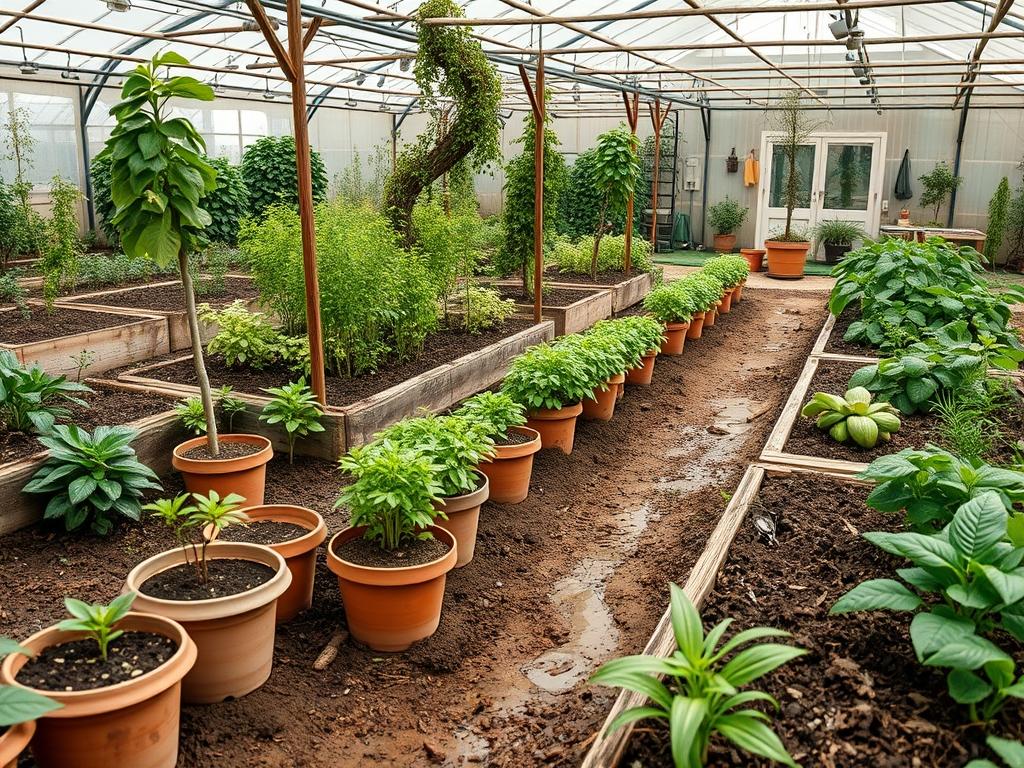
Planting a pecan tree is a multi-generational investment that requires a sophisticated understanding of site selection and soil mechanics. Landscapes are often defined by their canopy, and the Carya illinoinensis offers both majestic shade and a bountiful harvest. However, the success of this endeavor hinges entirely on the foundation. Selecting the best soil for pecan trees is not merely about finding dirt that looks rich; it involves a deep dive into drainage patterns, nutrient density, and soil structure. Designers must balance the functional needs of the tree with the aesthetic goals of the property, ensuring that these giants have the space and resources to thrive for a century or more. Unlike smaller ornamental species, a pecan tree can reach heights of 70 to 100 feet with a massive root system to match. This scale demands a landscape plan that accounts for long-term growth and potential impacts on nearby structures or gardens.
Climate considerations are equally paramount. While pecans are native to the Mississippi River valley and surrounding areas, they have been successfully integrated into various USDA zones ranging from 6 to 9. The challenge for many homeowners is that the local soil often lacks the specific characteristics found in the alluvial floodplains where these trees naturally flourish. To achieve high curb appeal and proper outdoor functionality, the land must be prepared to mimic these deep, fertile environments. Poor soil selection leads to stunted growth, susceptibility to pests like the pecan weevil, and poor nut quality. Therefore, understanding the intersection of soil science and landscape architecture is the first step toward a successful planting project.
Landscape Design Principles
Integrating a large nut tree into a residential or commercial landscape requires adherence to specific design principles. Symmetry is a common goal, yet it must be balanced with the asymmetrical reality of tree growth and sun exposure. When placing a pecan tree, consider it the primary focal point of the backyard. Because of its eventual size, it should be positioned to provide shade to outdoor living areas during the hottest parts of the day, typically the southwest side of a patio or deck. However, designers must maintain a significant distance from the home foundation, usually 30 feet or more, to prevent root interference and gutter clogging from falling debris.
Elevation layers are another critical factor. A pecan tree acts as the overstory, creating a high canopy that allows for filtered light below. This allows for a layered planting approach where shade-tolerant shrubs and perennials occupy the mid-story and ground-story levels. Irrigation planning must be integrated early in the design phase. Mature pecans require immense amounts of water, especially during the nut-filling stage in late summer. Forcing the tree to compete with a thirsty turfgrass lawn can lead to stress. Instead, consider creating a large mulched zone around the base to reduce competition and improve water retention. Walkways should be designed with root-friendly materials, such as permeable pavers or decomposed granite, to allow oxygen and moisture to reach the soil below.
Plant and Material Selection
Selecting the right cultivars and companion materials is essential for a cohesive environment. The following table outlines the requirements for the Pecan Tree and its common landscape companions.
| Plant Type | Sun Exposure | Soil Needs | Water Demand | Growth Speed | Maintenance Level |
| :— | :— | :— | :— | :— | :— |
| Pecan Tree | Full Sun | Deep Sandy Loam | High | Moderate | High |
| Oakleaf Hydrangea | Part Shade | Well-drained Acidic | Medium | Moderate | Medium |
| Cast Iron Plant | Full Shade | Loamy / Flexible | Low | Slow | Very Low |
| St. Augustine Grass | Full to Part Sun | Rich Organic | High | Fast | High |
| Creeping Thyme | Full Sun | Sandy / Gritty | Low | Moderate | Low |
The best soil for pecan trees is a deep, well-drained, sandy loam. These trees possess a massive taproot that can extend several feet into the earth. If the soil contains a hardpan or heavy clay layer near the surface, the taproot will be stunted, leading to a weak tree that is prone to blowing over in high winds. Ideally, the soil should be uniform for at least 6 feet of depth. In terms of chemistry, a pH level between 6.0 and 7.0 is optimal. If the soil is too alkaline, the tree will struggle to take up Zinc, a micronutrient that is absolutely non-negotiable for pecan health.
Implementation Strategy
Planning the layout begins with a site survey and soil test. Before digging, the area must be graded to ensure that water does not pool at the base of the trunk. While pecans love water, they are susceptible to root rot if left in standing water for extended periods. Once the grading is established, marking the location of the tree and any surrounding hardscaping is the next step. If your site has heavy clay, you may need to install a French drain or a subsurface drainage system to move excess water away from the root zone.
When it is time to plant, the hole should be dug significantly larger than the root ball but no deeper. For bare-root trees, it is helpful to prune any damaged roots before settling the tree into its new home. As you backfill, use the native soil rather than heavy amendments. If the native soil is poor, it is better to amend a large area of the landscape rather than just the planting hole, as this prevents the “bucket effect” where water gets trapped in the amended pocket. After planting, apply a layer of Pine Bark Mulch or Wood Chips to a depth of 3 to 4 inches. Keep the mulch a few inches away from the trunk to prevent bark decay. This mulch layer helps maintain consistent soil temperature and moisture levels, mimicking the forest floor.
Common Landscaping Failures
One of the most frequent errors in pecan management is improper spacing. Homeowners often underestimate the spread of a mature pecan tree and plant them too close to fences, power lines, or other trees. This leads to overcrowding, which reduces airflow and increases the risk of fungal diseases like pecan scab. Overcrowded trees also compete for nutrients and water, resulting in fewer, smaller nuts.
Another failure involves soil compaction. Using heavy machinery near the dripline of the tree during construction or landscaping projects crushes the soil macropores. These pores are essential for transporting oxygen to the roots. Without oxygen, the roots cannot perform the metabolic processes required to absorb water and minerals. Furthermore, many people fail to recognize the specifics of irrigation. Using a standard lawn sprinkler system is often insufficient for a pecan tree. They require deep, infrequent soaking that reaches at least 2 or 3 feet into the soil. Surface-level watering only encourages shallow root growth, making the tree less resilient during droughts.
Seasonal Maintenance
Seasonal care is vital for maintaining the health of the tree and the beauty of the surrounding landscape. In the spring, the focus should be on nutrient application. This is the time to apply a high-nitrogen fertilizer and Zinc Sulfate foliar sprays. Zinc is critical for leaf expansion; without it, the leaves will be small and “rosetted,” which severely limits the tree’s ability to photosynthesize. Inspect the tree for early signs of pests as the new growth emerges.
Summer maintenance is dominated by water management. As the nuts begin to develop and fill with meat, the tree’s water requirements peak. If the tree becomes stressed during August or September, it may drop its crop prematurely. Keep the mulch layer replenished to prevent the soil from cracking. In the autumn, harvest becomes the priority. Clear away fallen leaves and shucks promptly to reduce the overwintering population of pests and pathogens. This is also a good time to reassess the soil with another test to plan for late-season amendments. During the winter, the tree is dormant, making it the perfect time for structural pruning. Remove any dead, diseased, or crossing branches to improve the canopy’s integrity.
Professional Landscaping FAQ
What is the best soil for pecan trees in clay areas?
If you have heavy clay, you must improve drainage or plant on a raised mound. Incorporate organic matter over a wide area, not just the hole, to break up the clay and improve the oxygen exchange for the roots.
How much space does a pecan tree really need?
A single mature pecan tree needs a radius of at least 30 to 40 feet of clear space. For commercial or large-scale landscaping, trees are often spaced 60 feet apart to ensure full sun exposure and maximum nut production.
Why is my pecan tree not producing nuts?
Common reasons include a lack of water during the summer, zinc deficiency, or the absence of a second cultivar for cross-pollination. Most pecans are not self-fertile and require a different variety nearby to produce a successful crop.
Can I grow grass under my pecan tree?
It is possible, but not ideal. Grass competes for the same water and nitrogen the tree needs. A better landscape choice is a large mulched ring or shade-tolerant groundcovers that have lower nutrient and water demands than traditional turfgrass.
How often should I fertilize my pecan tree?
Commercial growers fertilize several times a year, but for a home landscape, a significant application in early spring is usually sufficient. Always use a soil test to determine if you need specialized minerals like potassium or lime.