
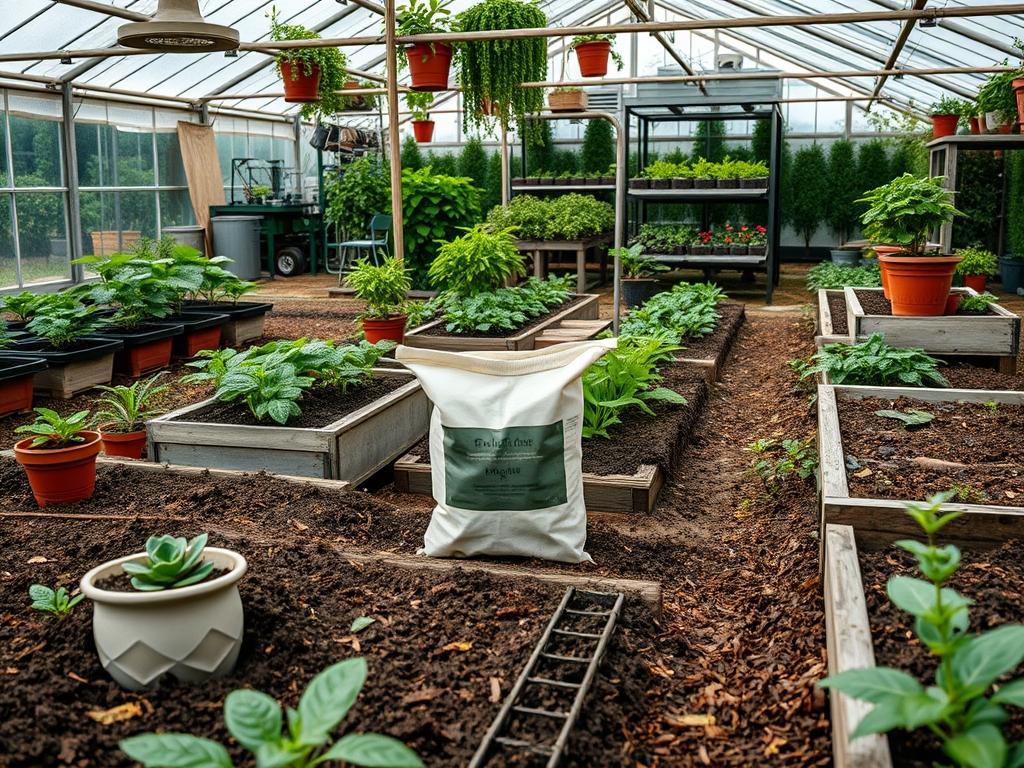
Transforming a residential or commercial landscape into a productive grove requires a sophisticated understanding of both aesthetic design and specialized silviculture. Integrating chestnut trees into your outdoor environment offers a unique value proposition, as these trees provide a majestic canopy for curb appeal while serving as a long-term agricultural asset. However, the success of such a project is entirely dependent on the foundational stage of site development. Professional landscape architects view the installation of these trees not merely as planting a sapling, but as an engineering task involving soil physics, hydraulic management, and spatial geometry. Before the first shovel hits the ground, a comprehensive site analysis must account for local weather patterns, prevailing winds, and the specific chemical requirements of the genus Castanea. Without a rigorous approach to the initial environment, the majestic vision of a sprawling nut-bearing orchard can quickly succumb to root pathologies or stunted growth.
Landscape Design Principles
When planning a landscape that incorporates large mast-producing trees, symmetry and focal points act as the visual anchors of the property. For a formal aesthetic, a double row of trees can create a grand alleyway leading to a primary residence or a secondary outdoor living space. In more naturalistic designs, placing a single specimen as a focal point allows its wide-spreading canopy to dominate the skyline, providing essential shade that lowers ambient temperatures for adjacent patios or walkways. Elevation layers are critical; you should place chestnuts on higher ground or gentle slopes to facilitate air drainage and prevent frost pockets that can damage late-spring blossoms.
Irrigation planning must be integrated into the hardscaping phase to ensure that water delivery systems do not interfere with the extensive root systems these trees will eventually develop. Walkways should be positioned well outside the ultimate drip line of the mature tree to avoid the nuisance of falling burs in high-traffic areas. Visual balance is achieved by underplanting with acid-loving shrubs like blueberries or rhododendrons, which share similar soil requirements. By layering the heights of your plant material, you create a seamless transition from the tall forest canopy down to the manicured turf or groundcover, establishing a sense of permanence and intentionality in the design.
Plant and Material Selection
| Plant Type | Sun Exposure | Soil Needs | Water Demand | Growth Speed | Maintenance Level |
| :— | :— | :— | :— | :— | :— |
| Chinese Chestnut | Full Sun | Well-drained, Acidic | Moderate | Medium | Low |
| Dunstan Hybrid | Full Sun | Sandy Loam, pH 5.5-6.5 | Moderate | Fast | Medium |
| American Hybrid | Full Sun/Part Shade | Rocky, Deep Loam | High during youth | Medium | High (Blight monitoring) |
| Colossal European | Full Sun | Silty Loam | Moderate | Fast | Medium |
| Allegheny Chinquapin | Full Sun/Part Shade | Dry, Acidic Sandy | Low | Slow | Low |
Implementation Strategy
The primary phase of any successful installation is rigorous Chestnut Soil Prep. Unlike many common ornamental trees, chestnuts are extremely sensitive to soil chemistry and physical structure. You must begin with a professional soil test to determine the current pH levels. These trees thrive in a range between 5.5 and 6.5 pH. If your site is alkaline, you will need to incorporate elemental sulfur at least six months prior to planting to slowly lower the acidity. During the grading process, ensure the site has a minimum slope of two percent to prevent water from pooling around the crown. If the area is naturally flat or holds water, constructing raised berms that are 3 feet wide and 18 inches high is a mandatory design intervention to protect against root rot.
Once the grade is established, use a broadfork or an auger to loosen the subsoil to a depth of 24 inches. Avoid creating a smooth-sided hole in heavy clay, as this can lead to a bathtub effect where roots eventually suffocate. Instead, scarify the edges of the planting pit. Incorporate a mix of well-aged compost and pine bark fines to improve aeration. When setting the tree, ensures the root flare is slightly above the finished grade. Apply a 3-inch layer of wood chip mulch in a wide circle around the base, keeping the material at least 6 inches away from the trunk to prevent fungal intrusion. For large scale layouts, install t-posts and welded wire cages immediately to protect the young bark from deer and mechanical damage from lawn equipment.
Common Landscaping Failures
The most frequent error in orchard-style landscaping is a failure to account for internal soil drainage. Even if the surface looks dry, a heavy clay subsoil can trap moisture around the delicate feeder roots, leading to Phytophthora cinnamomi, commonly known as ink disease. Another significant failure is root overcrowding. Designing a layout with trees spaced only 15 feet apart may look full in the three years, but within a decade, the overlapping canopies will shade out the lower branches, significantly reducing nut production and creating a leggy, unattractive appearance. Professional spacing should be at least 30 to 40 feet for permanent placements.
Soil compaction is a silent killer in new construction zones. Heavy machinery used for home building often compresses the earth into an impermeable layer. Planting directly into this without mechanical fracturing of the soil will lead to stunted, chlorotic trees that fail to thrive. Furthermore, many homeowners ignore the necessity of cross-pollination. Planting a single chestnut tree as an ornamental specimen will result in plenty of empty burs but zero edible nuts. You must always plant at least two different varieties, or two seedlings of the same species, within 100 feet of each other to ensure wind-driven pollen can reach the female flowers.
Seasonal Maintenance
Spring management begins with a careful inspection of the structural integrity of the tree. Before the buds break, perform restorative pruning to remove any crossing branches or narrow crotch angles that might split under the weight of a heavy nut crop. This is also the time to apply a balanced, slow-release fertilizer if the previous year’s growth was less than 12 inches. As the temperature rises, monitor the soil moisture meters consistently. While mature trees are somewhat drought-tolerant, young trees require approximately 10 gallons of water per week during their first three growing seasons to establish a deep, resilient root system.
During the summer, the focus shifts to pest management and weed control. Keep the area under the canopy free of tall grass, which competes for nitrogen and provides cover for rodents that might gnaw on the roots. In autumn, the harvest begins. Unlike fruit trees, chestnuts should be gathered daily as they fall to the ground to prevent mold and predation by squirrels. Once the leaves drop in winter, add a fresh layer of mulch to insulate the root zone against freeze-thaw cycles. This dormant period is also the ideal time to plan for future expansions or to adjust the irrigation emitters to reflect the growing water needs of the maturing canopy.
Professional Landscaping FAQ
How do I know if my soil is right for chestnuts?
Test the pH and drainage first. The soil must be acidic, between 5.5 and 6.5, and must drain rapidly. Perform a percolation test by filling a hole with water; it should empty within a few hours.
Can I grow chestnuts in heavy clay soil?
Yes, but only if you utilize advanced Chestnut Soil Prep techniques. Use heavy amendments of organic matter and plant the trees on large, engineered mounds to ensure the root crown stays above the saturation zone during heavy rains.
How long until my landscape produces a usable crop?
Grafted trees typically begin producing within three to five years, while seedlings may take seven to ten years. Proper soil preparation and consistent irrigation during the establishment phase can accelerate this timeline significantly by reducing transplant shock.
Do chestnut trees require significant pruning?
They require less pruning than apple trees, but you must maintain a central leader. Remove any suckers from the base and prune away dead wood annually to improve airflow and sunlight penetration into the inner canopy layers.
Are chestnut trees messy for residential lawns?
The spiny burs can be a challenge for bare feet or thin-soled shoes. It is best to plant them at the edge of the property or in dedicated mulch beds where the fallen burs can be easily managed.